Okay, so picture this: You’re out in the sticks, maybe at a cozy cabin, or just thinking about that idyllic country life. And there it is, a well! Mysterious, a little bit rustic, promising endless, cool, crisp water. It just feels… permanent, right? Like it’s tapping into some secret, subterranean ocean that’ll never, ever run dry. Kinda poetic, if you ask me.
But then, a little voice, probably the practical one, pipes up: “Uh, can a well actually run out of water?” And suddenly, your serene country daydream is replaced with a tiny, nagging worry. Good news, my friend, we’re about to dive deep (pun totally intended) into that very question. Grab your coffee!
So, Can It Really Go Poof? The Short Answer
Alright, let’s get straight to it, because I know you’re on the edge of your seat. The answer is… yes, but also no. (Super helpful, I know, stick with me!) It’s not as simple as flipping a light switch, more like a dimmer.
Think of your well not as an infinite magic tap, but as a straw in a really, really big, but still finite, drink. What drink, you ask? Well, it’s connected to something called an aquifer. Fancy word, right?
The Magical Mystery of the Aquifer (It's Not Actually Magic)
An aquifer is basically an underground layer of permeable rock, gravel, or sand that holds groundwater. Imagine a giant, hidden sponge beneath the earth. It’s not like an underground lake you can swim in (mostly, there are exceptions, but let’s not overcomplicate it). It’s more like water soaking through rock and soil, filling all the tiny spaces. Pretty neat, huh?
Your well, bless its little pumpy heart, is essentially drilled down into one of these aquifers. So, when you turn on your tap, you’re pulling water from this underground reservoir. And just like any reservoir, it has its limits.
What Makes a Well Go Thirsty? (Or Just Sputter a Bit)
Okay, so what factors play into whether your well starts playing hard to get? There are a few big players in this watery drama:
1. Usage, Usage, Usage!
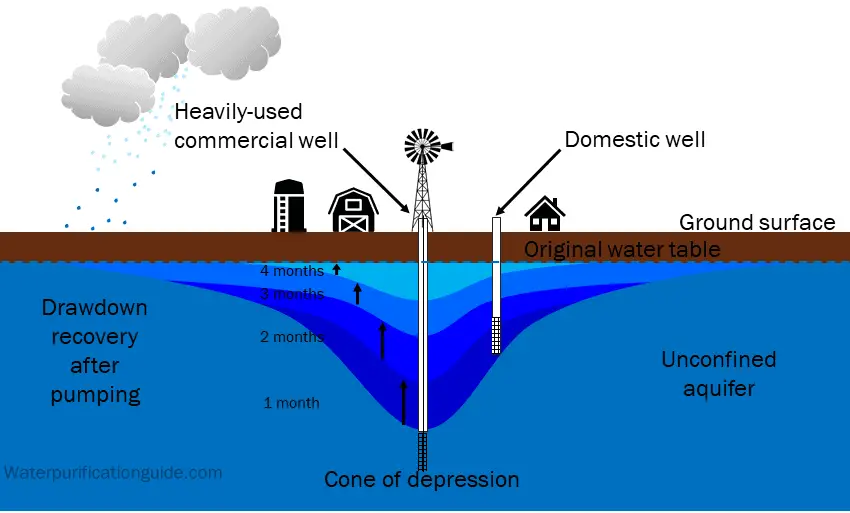
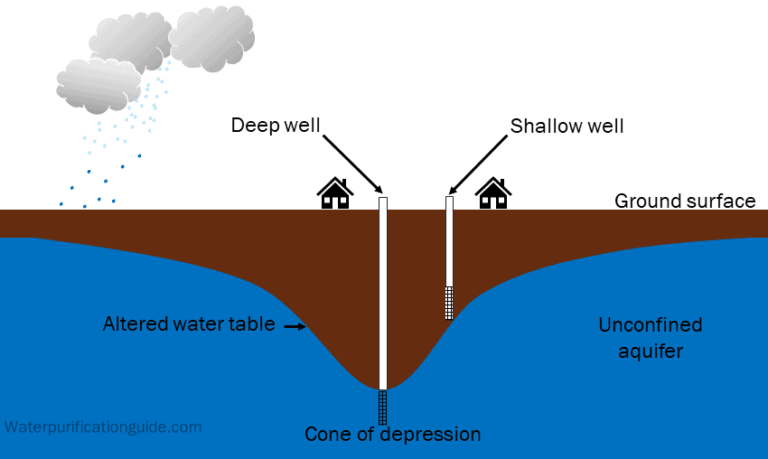
This one’s a no-brainer. Are you just watering your prize-winning petunias, or are you trying to green up an entire golf course in the middle of summer? The more water you pump out, the faster the water level in your well (and the surrounding aquifer) will drop. It’s like draining your smoothie – the faster you sip, the quicker it’s gone!
2. Nature's Refill Station: Rain and Snowmelt
Aquifers aren't just one-way streets. They get replenished! Rain, melting snow, and other surface water seep down through the soil and rock, slowly refilling that underground sponge. This process is called recharge. If you're pumping out more water than nature can put back in, well, you've got a problem brewing.
3. Droughts (The Big Bad Wolf of Wells)
Ah, the dreaded drought. When it doesn't rain for what feels like an eternity, that natural recharge slows to a trickle, or even stops altogether. This is when wells really start to feel the pinch. Prolonged droughts are probably the number one reason wells start looking a bit parched. Even deep wells can be affected if the entire regional water table drops.
4. Your Neighbors (Bless Their Thirsty Hearts)
Are you the only well in town, or are there five other houses on your street tapping into the very same aquifer? If everyone’s going hog-wild with their water usage, it’s a shared resource that dwindles faster. Think of it as everyone trying to get water from the same pitcher – it goes empty quicker with more hands reaching for it.
5. The Aquifer Itself: Size Matters!
Some aquifers are absolutely massive, like a freshwater ocean beneath our feet. Others are smaller, more localized pockets. A well tapping into a vast, deep aquifer is generally much less likely to run dry than one in a smaller, shallower one. It's just simple capacity.
Signs Your Well Might Be Feeling A Little Low
How would you even know if your well is starting to get thirsty? You’ll probably notice a few things:
- Sputtering faucets: Air mixed with water, like your well is gasping for breath.
- Reduced water pressure: Showers become sad trickles instead of invigorating sprays.
- Cloudy or muddy water: As the water level drops, your pump might start sucking up sediment from the bottom. Eww.
- Pump running constantly: It's working harder to find water.
So, What's the Takeaway?
Ultimately, while a well can technically run dry – especially in periods of severe drought or with excessive over-pumping – it’s not an everyday occurrence for most folks. Many wells are incredibly reliable for decades, even generations.
The key is balance: how much water is being taken out versus how much nature is putting back in. Be mindful of your water usage (good for the planet anyway!), keep an eye on local drought conditions, and if you’re ever worried, a local well professional can give you the lowdown on your specific situation.
So, next time you get a cool drink from your well, you can appreciate it even more, knowing a little more about the amazing underground system that makes it all possible. Cheers to groundwater!