Okay, let's talk about compressor amperage performance charts. Sounds intimidating, right? Like something only rocket scientists or HVAC gurus would understand. But trust me, it's less "calculus on the moon" and more "checking the weather forecast before a picnic." You use it to keep things running smoothly, just like knowing when to pack an umbrella.
Imagine your fridge is like a marathon runner. It needs energy (electricity) to keep going and keep your beer cold. Amperage is basically how much effort that runner is putting in *right now*. Too little, and your fridge conks out and your ice cream melts. Too much, and it's like the runner is sprinting the whole race – eventually, something's gonna break. (And that something is probably your wallet when the repair bill comes.)
Decoding the Mystery: What's on the Chart?
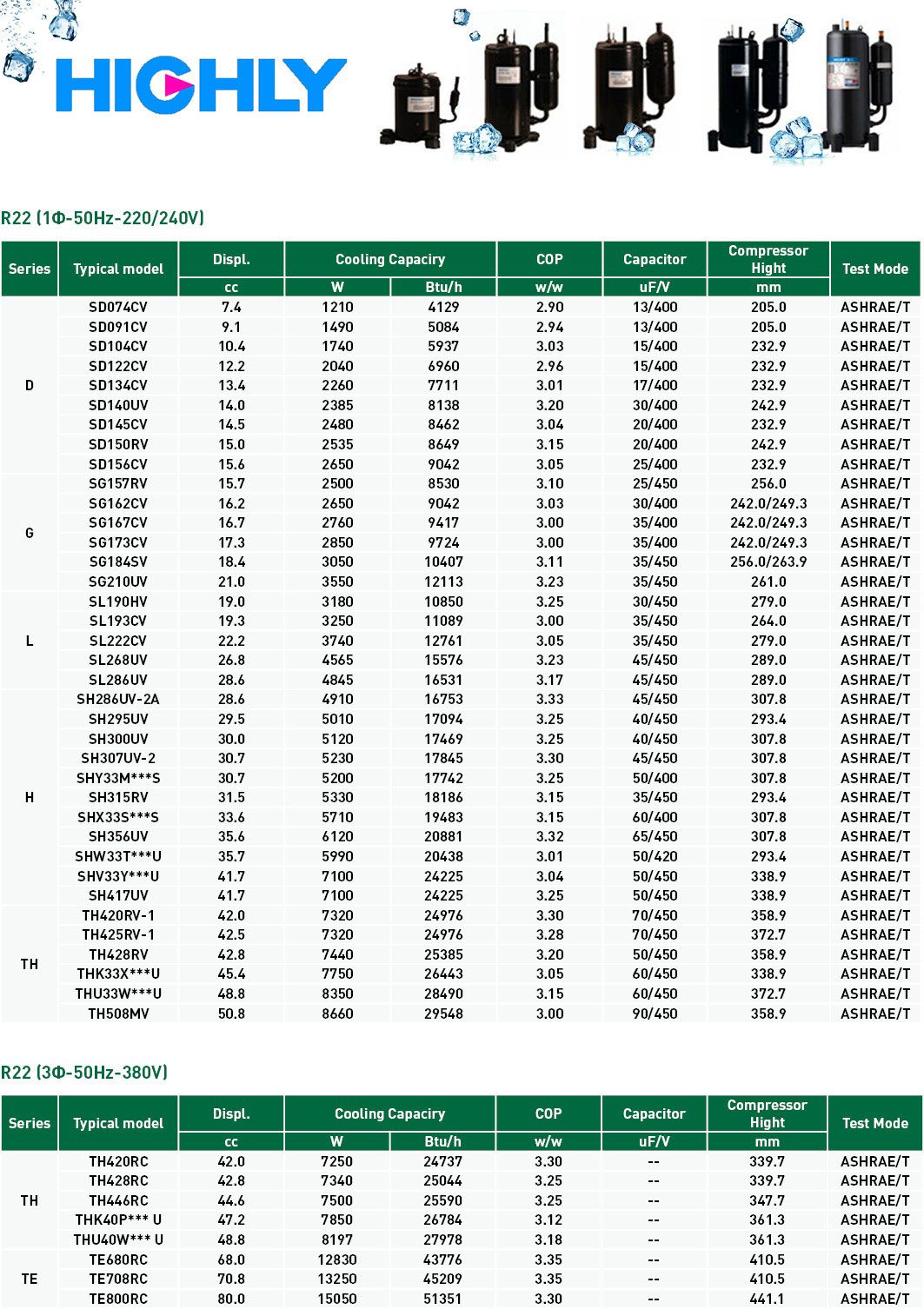
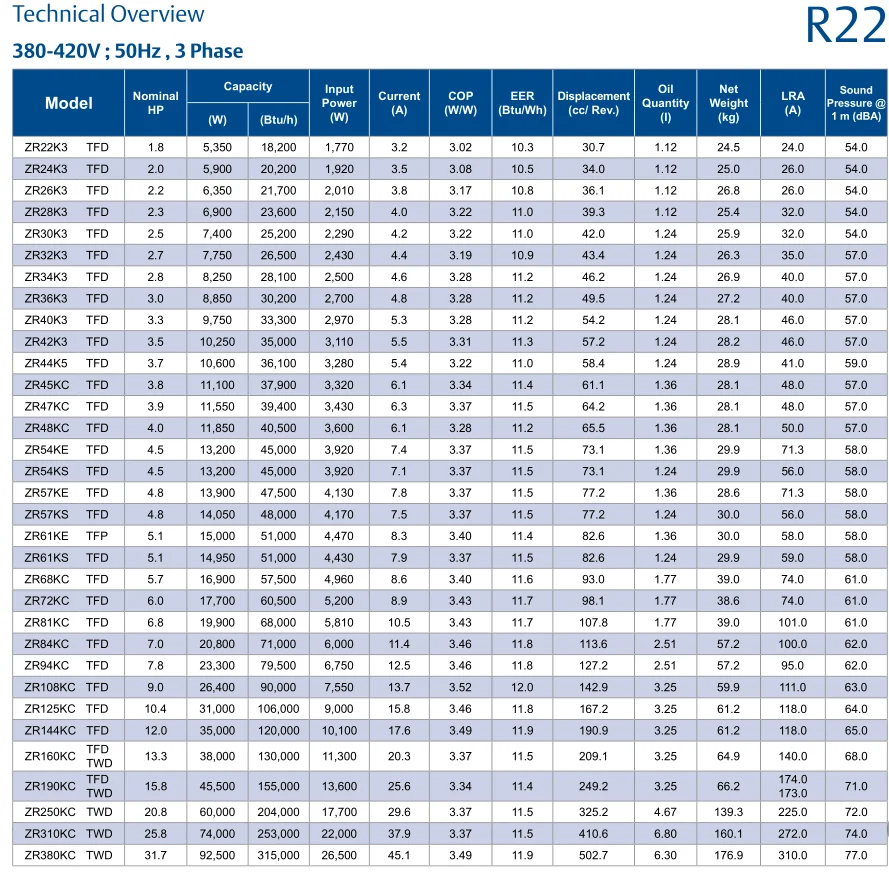
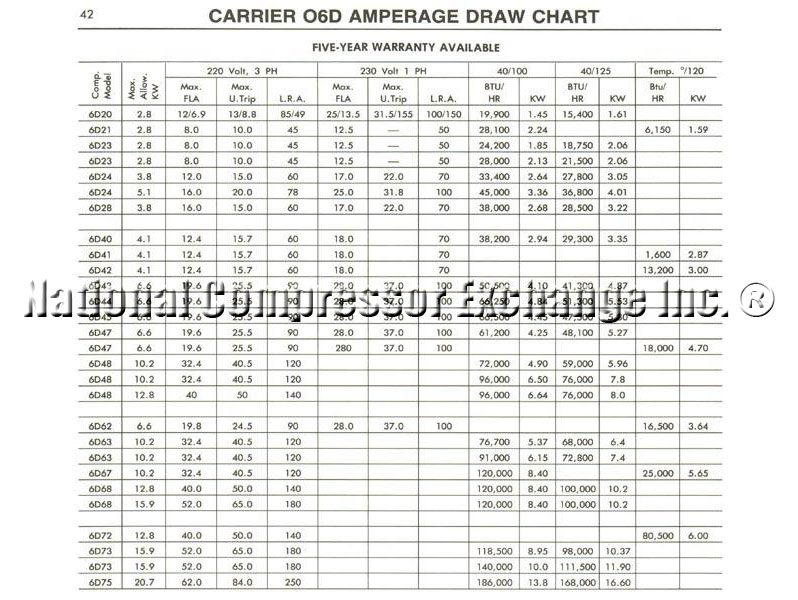
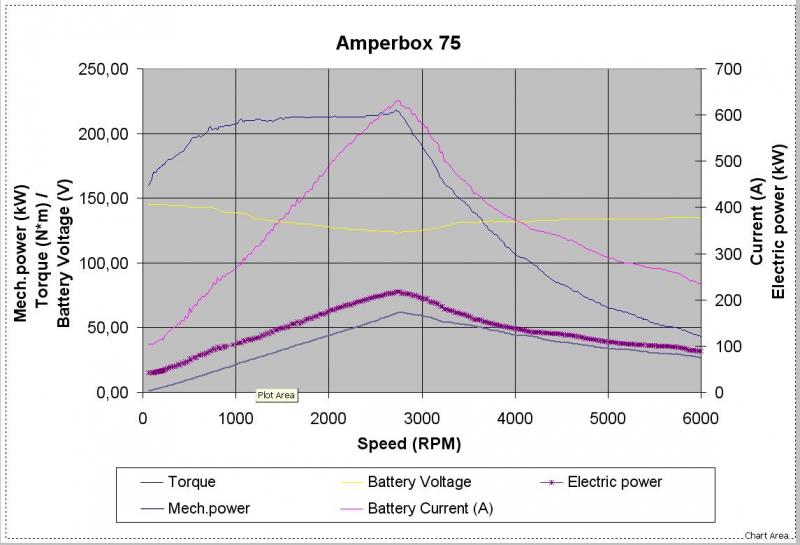
So, where does this "performance chart" fit in? Well, it's like a doctor's chart for your compressor. It tells you what the *normal* amperage draw should be under different conditions. Think of it as the expected heart rate of our marathon-running fridge at various points in the race.
The chart typically shows the relationship between a few key things:
- Voltage: Basically, how much "oomph" is coming from the electrical outlet. Think of it as the quality of the road the runner is on. Smooth and easy? Or full of potholes?
- Pressure: The amount of refrigerant circulating in the system. Imagine the runner's oxygen levels. Too little and they can't breathe properly.
- Amperage: The actual electrical current being drawn by the compressor. This is the runner's actual effort level - how hard they're working.
The chart will usually have lines or sections showing the ideal amperage range for specific combinations of voltage and pressure. It's not an exact science, of course. It's more like a guideline, a "sweet spot" that your compressor should be aiming for.
Why Should You Even Care? (The "My Beer is Warm!" Scenario)
Here's where it gets practical. Let's say your fridge suddenly sounds like it's gargling rocks, and your beer is lukewarm. You call a technician (because let's be honest, most of us aren't equipped to diagnose this stuff ourselves).
The technician hooks up some fancy gadgets, measures the voltage, pressure, and amperage, and *compares those readings to the performance chart*. If the amperage is way off, like ridiculously high or pathetically low, it's a clue that something's wrong. It might be a bad capacitor (like a muscle cramp for our runner), a refrigerant leak (low oxygen!), or something else entirely.
Without the chart, the technician would be just guessing. They might replace perfectly good parts, costing you time and money. The chart gives them a baseline, a way to say, "Aha! The amperage is way too high with this voltage and pressure. That points to a possible problem with the motor windings!"
It's like checking the speedometer in your car. If you're going 100 mph in a school zone, you know something's not right (and you're probably about to get a ticket). The performance chart is the speedometer for your compressor.
It’s Not Just Fridges!
Keep in mind, this applies to all sorts of compressors, not just those in your fridge. Air conditioners, heat pumps, even those fancy wine coolers that keep your Chardonnay at the perfect temperature. They all have compressors, and they all benefit from having their performance checked against a chart.
So, the next time you hear someone talking about compressor amperage performance charts, don't run for the hills. Just think of it as a weather forecast for your appliances, helping you avoid unexpected "rainy days" (or, in this case, warm beer and melted ice cream). It's all about keeping things running smoothly and efficiently, like a well-trained marathon runner who knows exactly when to conserve energy and when to sprint for the finish line. And who doesn't want *that*?
Remember, while this explanation simplifies things, working with electricity can be dangerous. Always consult with a qualified technician for any repairs or maintenance on your appliances.
Stay cool! (Literally.)