Ever found yourself staring at a broken metal item, a snapped garden tool, or a project that just needed two pieces of steel to become one, and thought, "If only I had a superpower to fuse them together!" Well, prepare to unlock a truly satisfying skill that's less "superpower" and more "brilliant engineering trick": brazing, especially when it comes to joining mild steel. It's not just for professional fabricators; brazing offers a fantastic, accessible, and often superior alternative to welding for many DIY enthusiasts, artists, and repair wizards.
So, what exactly are we talking about here? When we discuss brazing rods for mild steel, we're delving into a clever process where you join two pieces of metal by melting a filler metal (the brazing rod) between them. The magic part? You don't melt the actual base metals themselves! This is a crucial distinction from welding, where you melt both the filler and the base material. Brazing uses a lower heat, making it much more forgiving and accessible for a wide range of projects, particularly when working with common mild steel.
The benefits are truly compelling. For starters, brazing creates incredibly strong joints. The filler metal flows into the smallest crevices of the joint through capillary action, creating a bond that can often be stronger than the mild steel itself. This makes it perfect for repairing everything from bicycle frames and lawnmower parts to crafting unique metal sculptures or building custom fixtures. You're not just sticking things together; you're creating a permanent, durable union.
Another huge advantage, especially for the home workshop or smaller projects, is the ease of use. Because brazing requires less heat than welding, there's less distortion of the base metal. This means your mild steel pieces are less likely to warp, which is a major win for maintaining precision and aesthetics. Plus, the equipment needed is often simpler and less expensive than a full welding setup. A good propane or MAPP gas torch, some flux (often coated directly onto the rod), and your brazing rods are usually all you need to get started.
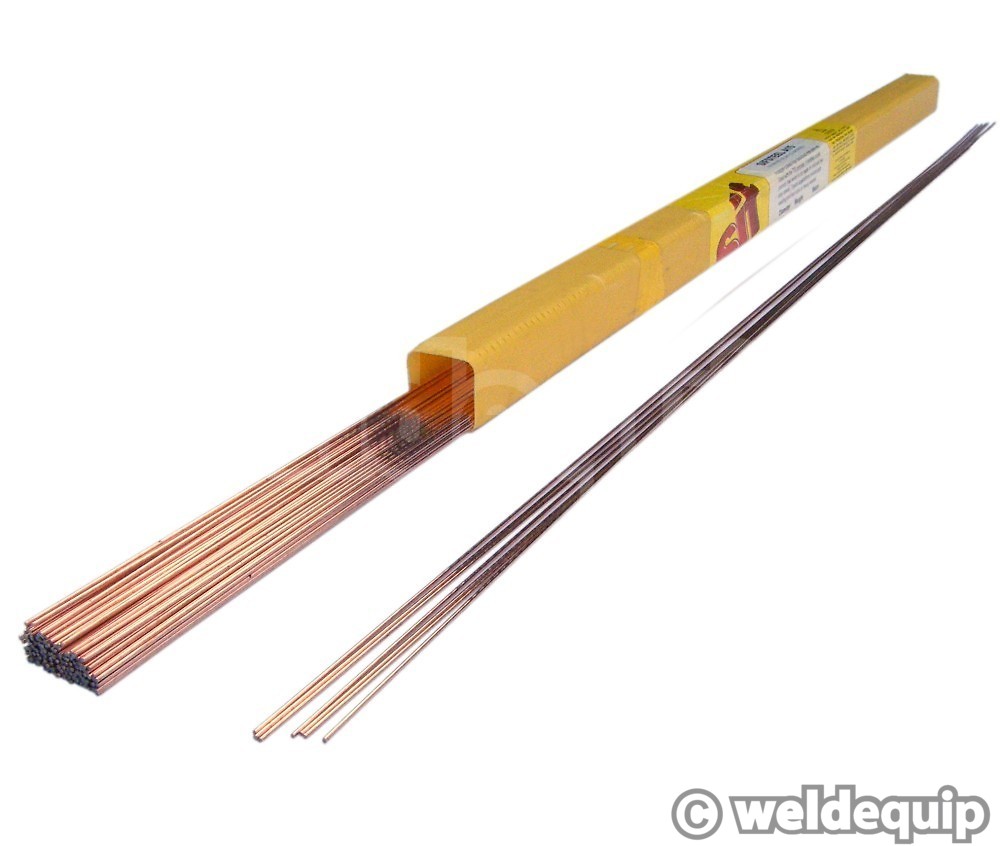
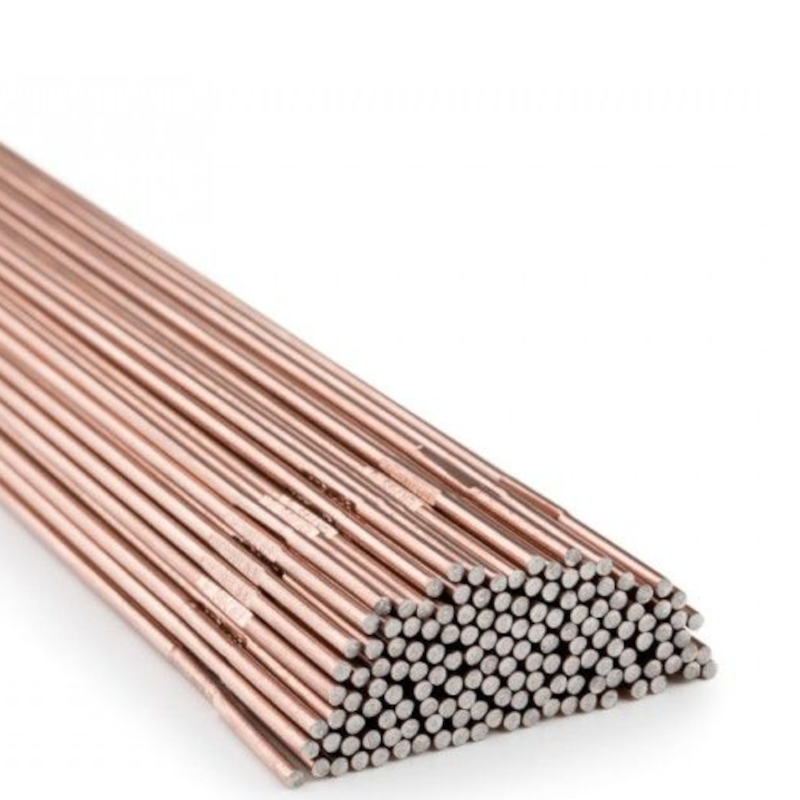
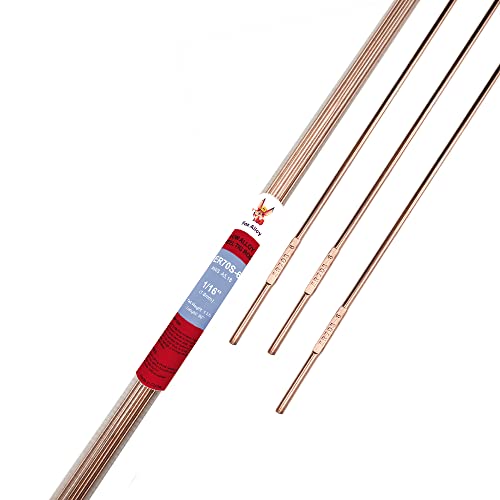
When selecting your brazing rods for mild steel, you'll typically be looking at brass or bronze alloys. These rods melt at a lower temperature than steel but create a fantastic bond. Many even come pre-fluxed, meaning the flux (a cleaning agent that helps the filler flow smoothly) is already integrated into the rod, simplifying the process even further. Simply heat your mild steel parts to the correct temperature, touch the rod to the joint, and watch as the molten filler flows like magic, creating a clean, seamless connection.
In essence, brazing is a brilliantly versatile technique that empowers you to tackle metal repair and fabrication tasks with confidence. It’s a cleaner, often simpler, and highly effective way to join mild steel, opening up a world of possibilities for fixes, creations, and innovations. So, next time you see that broken metal item, don't despair. Grab some brazing rods, fire up your torch, and discover the satisfying power of making metal whole again!