Ever look at a pile of garden trimmings, the corn stalks after harvest, or even just your coffee grounds in the morning and think, "What a waste!"? Well, hold your horses, because that "waste" is probably a superstar in disguise. We're talking about biomass, folks, and it's basically the planet's very own, super versatile, and surprisingly cool junk drawer.
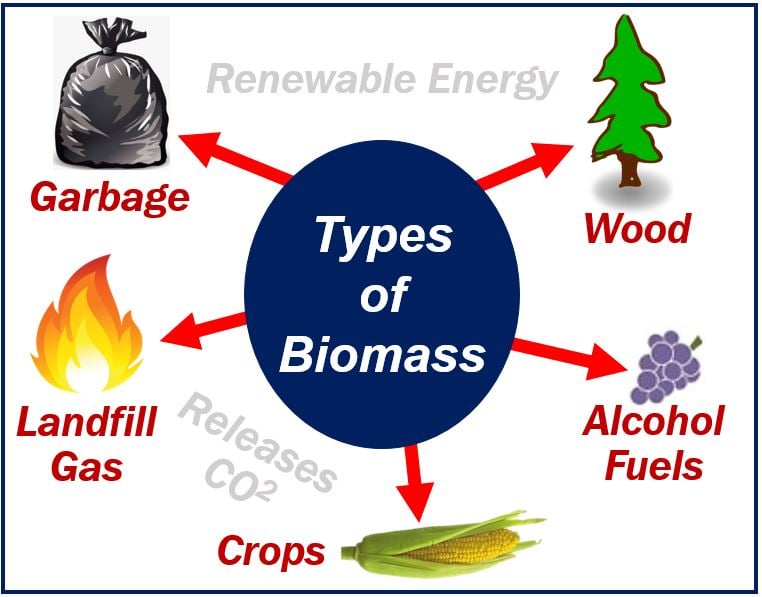
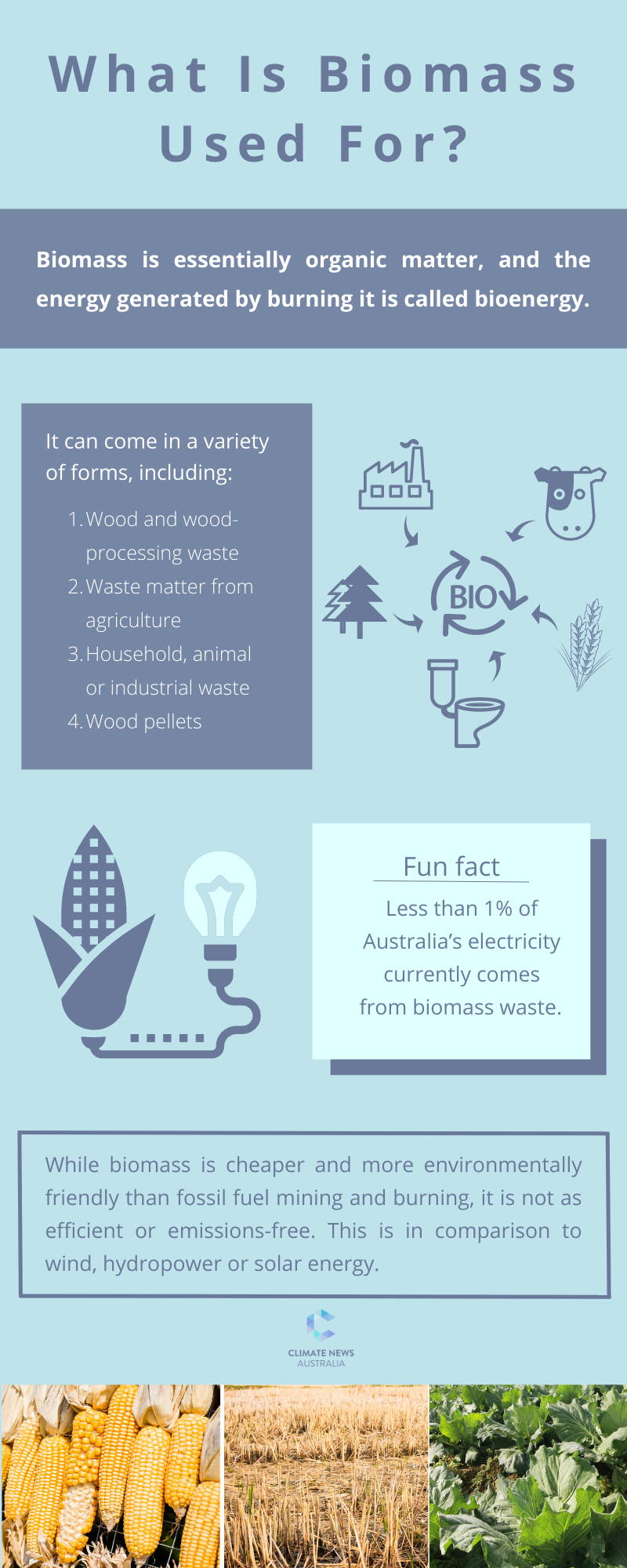
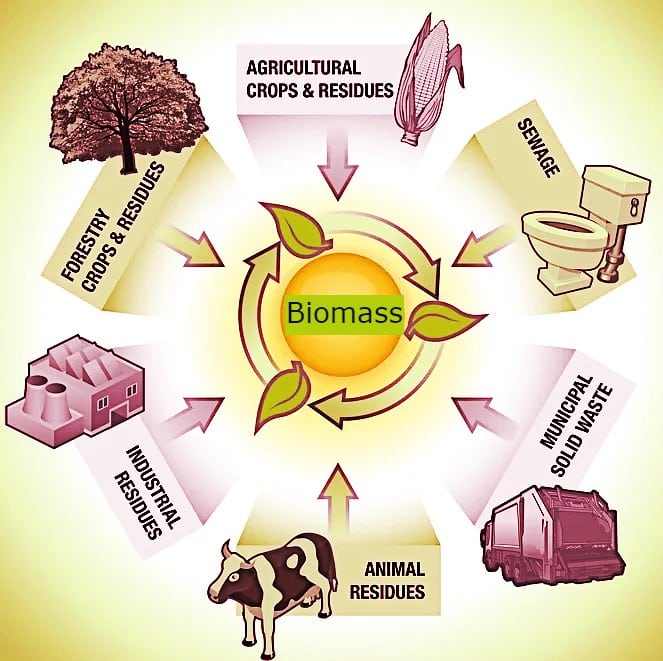
Think of biomass as anything that was once alive, or is currently alive, and can be used for something. This isn't just big, sturdy trees, though they’re definitely part of the club. We're talking about everything from tiny algae chilling in a pond, to agricultural residues like straw and corn husks, to even that giant compost heap you've been meaning to turn. It's like nature's very own leftovers, and trust me, they're far more exciting than your uncle's tuna casserole from last Thanksgiving.
Burning Bright: The OG Biomass Use
Let's start with the most ancient and perhaps the most relatable use: energy. Before central heating and fancy power grids, what did humans do to stay warm and cook their food? They burned stuff. Wood, mostly. It’s the ultimate cozy vibe creator – think roaring fireplaces, crackling campfires, and the smell of toasted marshmallows. That's biomass in its simplest form, providing heat and light.
Today, we've super-sized that concept. Modern power plants can burn biomass (like wood pellets made from sawdust or agricultural waste) to generate electricity. It’s like a giant, super-efficient campfire, but instead of s’mores, it’s powering your Netflix binge. And hey, because plants absorb carbon dioxide as they grow, using biomass can be a more carbon-neutral way to get energy, especially if we're careful about replanting. It’s not a magic bullet, but it's definitely a step up from just digging up old dino-juice.
Your Car on a Plant-Based Diet: Biofuels
Remember that scene in "Back to the Future" where Doc Brown powers the DeLorean with banana peels? Well, we're not quite there yet with banana peels, but we're pretty darn close with other plant matter! This is where biofuels strut their stuff. We're talking about liquids and gases derived from biomass that can power our vehicles.
The most common example is ethanol, often made from corn or sugarcane. It's mixed with gasoline and helps your car go VROOM! Then there’s biodiesel, usually from vegetable oils or animal fats – it’s like giving your diesel engine a very fancy, perhaps slightly oily, salad. The idea is to reduce our reliance on fossil fuels, making our transport a little greener. So next time you fill up, you might be giving your car a sip of fermented plant juice – just don’t try to drink it yourself!
Beyond Fuel: Bioproducts and Plastics
Biomass isn't just about making fire or fueling cars. Oh no, it's far more versatile! Picture this: a world where your toothbrush, your phone case, or even the packaging your new gadget came in isn't made from oil, but from plants. Welcome to the wonderful world of bioproducts!
We're seeing a rise in bioplastics, for example, made from things like corn starch or sugarcane. They can be designed to break down more easily in certain environments, which is a big win for our overflowing landfills and grumpy oceans. Imagine a plastic fork that *could* theoretically become compost instead of sticking around for 500 years. It’s a game-changer! Plus, biomass can be used to make all sorts of other chemicals, textiles, and materials that traditionally come from petroleum. It's like nature's LEGO set, ready to be reassembled into all sorts of useful things.
Feeding the Earth: Soil Health and More
Finally, let's talk about the ultimate circle of life. One of the most fundamental uses of biomass is right there under our feet: improving soil health. When you compost your food scraps, leaves, and garden trimmings, you're turning biomass into nutrient-rich soil amendment. This black gold (aka compost) breathes new life into depleted soil, helping new plants grow robust and healthy.
It's like giving your garden a gourmet superfood smoothie! This not only reduces waste but also creates a natural, sustainable way to fertilize our farms and gardens, reducing the need for synthetic chemicals. It's the planet saying, "Thanks for the leftovers, I'll turn them into something delicious for my next meal!"
So, What's the Big Deal?
Biomass, in all its forms, is essentially nature's incredible way of recycling. From the majestic tree to the humble coffee ground, these materials hold immense potential. They can power our homes, move our cars, create everyday products, and even nourish the very ground beneath us. It’s not just a fancy scientific term; it’s a tangible, everyday resource that helps us move towards a more sustainable future. So next time you see a pile of leaves, give them a little nod. They might just be the unsung heroes of tomorrow!