Picture this: me, back in the day, hyped up to try TIG welding for the first time. I’d seen the buttery smooth beads, the precision, the sheer art of it. Naturally, being the 'save a buck where you can' kind of guy, I grabbed the cheapest auto-darkening helmet I could find. What could go wrong, right? It darkens! It's automatic! Genius!
Oh, the sweet naiveté. The arc struck, and for a split second, I saw everything – the flash, the sparks, my soul leaving my body – before the lens decided, 'Oh, right, darkness!' And then, mid-weld, it would flicker. Or not darken enough for those low-amp starts. My eyes felt like I’d been staring at the sun all day, which, in a way, I had. My head was doing this constant chicken peck motion, trying to coax the sensors into doing their job. Not exactly the graceful dance of a TIG master, let me tell you.
That, my friends, was my painful introduction to why a good TIG helmet isn't just a nice-to-have; it's an absolute necessity. Especially for TIG, where precision, clarity, and protecting your peepers are paramount. We're talking about an art form that demands you see what you're doing, clearly, consistently, and without feeling like you've just been flash-banged every ten seconds.
So, what sets the 'best' TIG welding helmets apart from their stick or MIG cousins? It boils down to a few critical factors that, trust me, you'll thank yourself for investing in.
Optical Clarity: Seeing is Believing (and Welding)
First up, and probably the most critical for TIG, is optical clarity. This isn't just about 'can I see?' It's about 'can I see perfectly?' TIG welding often involves incredibly precise work, thin materials, and low amperages where the arc isn't as blindingly bright as, say, a stick weld. You need to distinguish the puddle, the tungsten, and the joint with crystal-clear vision.
Look for a helmet with a 1/1/1/1 optical clarity rating. This is like the Michelin star rating for helmet lenses, but for your face. It means minimal distortion, consistent shade across the entire lens, and great angular dependence. Seriously, once you try a 1/1/1/1 lens, going back feels like trying to weld through a foggy porthole. You'll wonder how you ever managed!
Sensitivity and Reaction Time: The Flash Dance
Next, we're talking about sensitivity and reaction time. TIG arcs, especially at lower amps (we're talking single digits sometimes!), can be subtle. Your helmet needs to be able to *sense* that arc immediately and darken in a flash – and I mean a literal flash, usually measured in microseconds. A slow reaction time is how you end up with those irritating, vision-blurring 'flash burns' that make you feel like you've got sand in your eyes for hours.
Look for adjustable sensitivity settings, allowing you to fine-tune it for different lighting conditions and amperage levels. And a reaction time of 1/20,000th of a second or faster is what you want. You don't want your eyes to feel that momentary bright spot before the lens kicks in. Your retinas will thank you, believe me.
Viewing Area: Your Window to the World
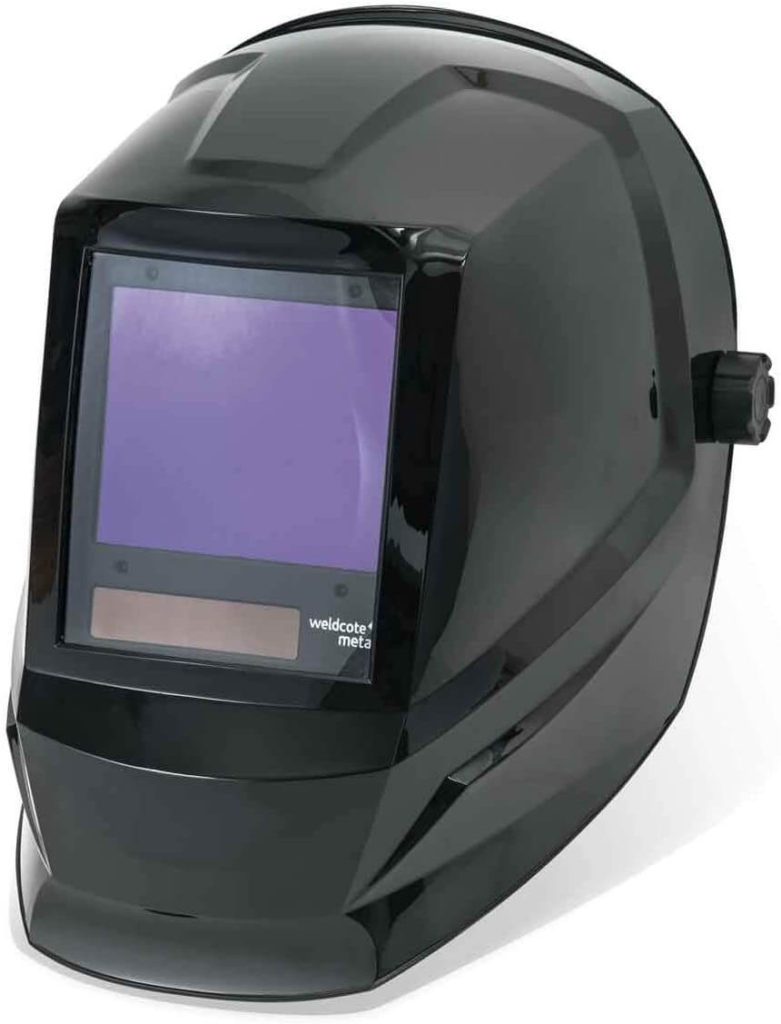
A larger viewing area might seem like a luxury, but for TIG, it's a huge comfort factor. You're often in awkward positions, trying to maintain a steady hand and a perfect torch angle. A big, expansive window means less head bobbing and craning your neck, allowing you to focus on the weld, not on trying to peek around the edges of a postage stamp-sized lens. More real estate means less fatigue, folks, and better control over those delicate TIG beads!
Comfort and Fit: Head in the Clouds (Not Pain)
Let's be real, you're going to be wearing this thing for hours. So, comfort is king. A lightweight helmet with a well-balanced, multi-adjustable headgear system is non-negotiable. No one wants neck strain or pressure points digging into their skull mid-weld, especially when you're trying to concentrate on a tricky root pass. Try it on if you can! Feel the balance, adjust the straps. It makes a world of difference to your endurance and your mood, I promise you.
Controls and Features: Grind Mode and More
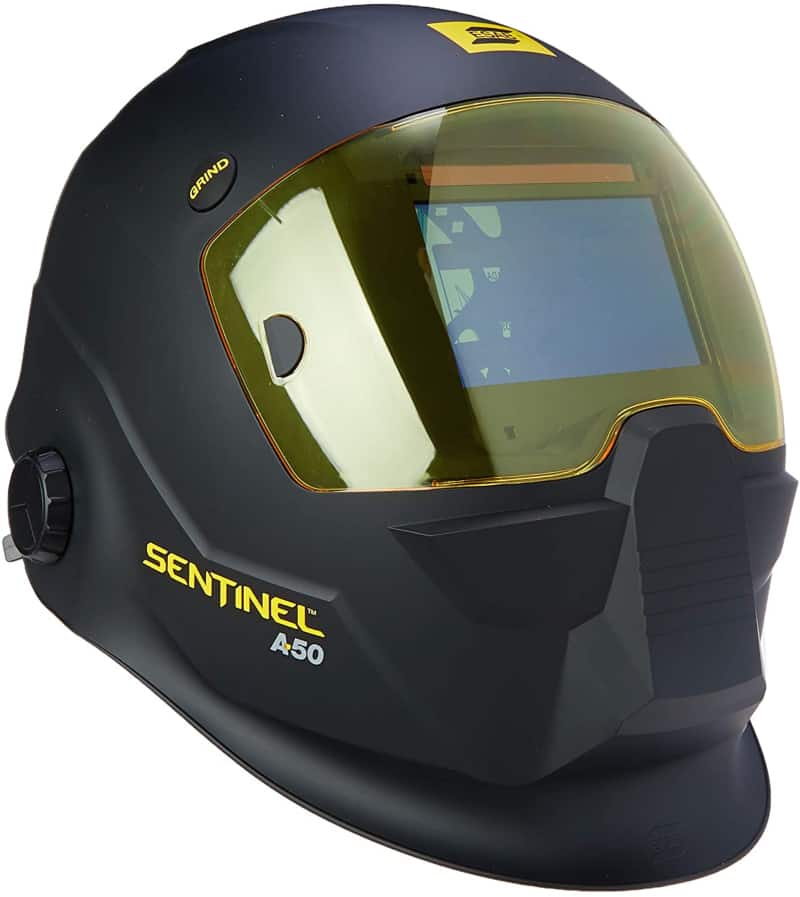
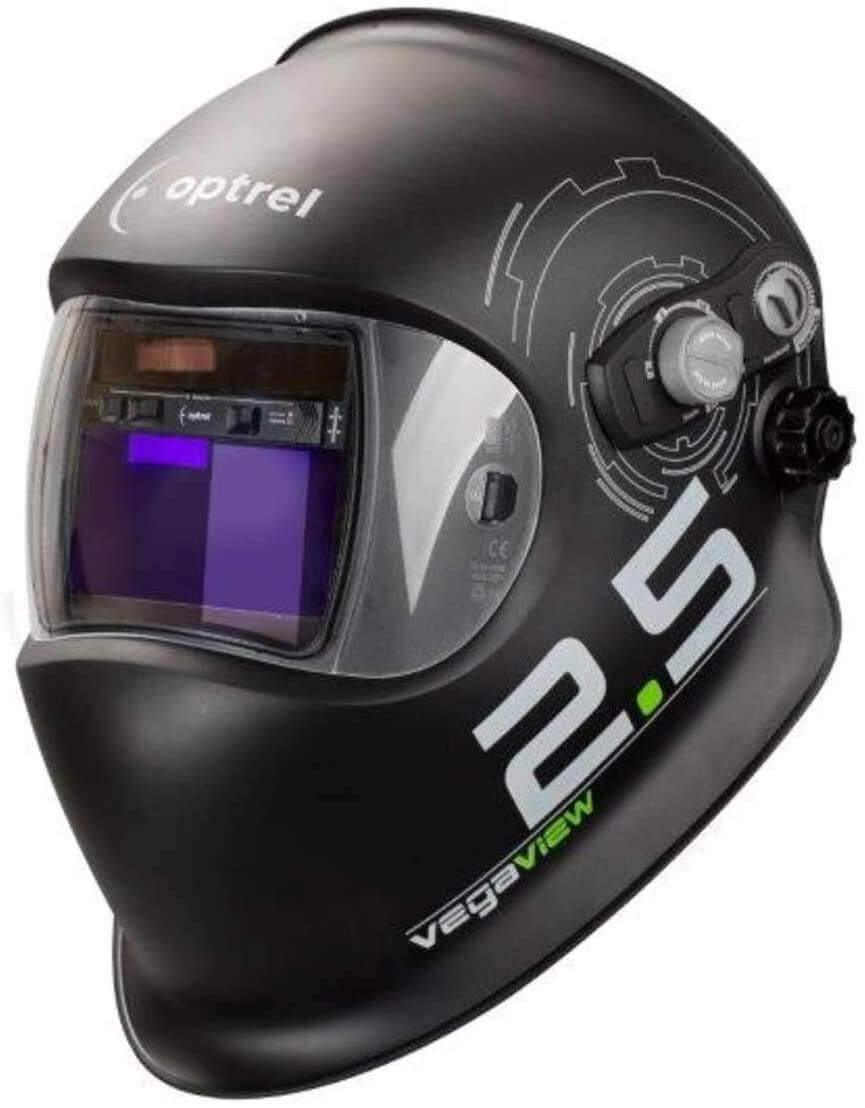
Consider the controls. Are they external, internal, or a mix? External controls for shade adjustment are super convenient when you're flipping between different amperage settings. And grind mode? A total lifesaver. Being able to flip your helmet into grind mode without taking it off or switching helmets entirely streamlines your workflow like crazy. It just makes life easier, doesn't it?
So, while you might be tempted to save a few bucks on a helmet, especially if you're just starting out with TIG, please, for the love of your eyesight and your sanity, don't cheap out on your TIG helmet. It's an investment in your safety, your comfort, and ultimately, the quality of your welds.
Think of it as the ultimate wingman for your TIG adventures. A great TIG helmet isn't just a tool; it's an extension of your craft, letting you focus on laying down those beautiful, intricate beads without battling your equipment or straining your eyes. Happy welding, my friends! May your arcs be stable and your vision always clear.