Ever glance at your electricity bill and think, "What in the world is a kWh, and why does its price keep changing like my teenager's mood?" You're not alone! It's one of those grown-up mysteries that feels a bit opaque, but honestly, understanding the average price per kWh in the US is like unlocking a secret level to adulting. And trust me, it can actually be pretty fun!
Imagine you're making your morning coffee. ☕ That delightful gurgle, the warm aroma – pure bliss, right? Well, that little coffee maker is using electricity, and how much you're paying for that jolt of java is all tied to the price per kilowatt-hour (kWh).
So, What Exactly is a kWh?
Think of it like this: a kilowatt-hour is simply a way to measure the amount of electricity you use. If you have a 1,000-watt (which is 1 kilowatt) appliance running for one hour, that's one kWh. Easy peasy, right?
It's like figuring out how much gas your car uses. You don't just pay for "gas"; you pay per gallon. With electricity, you pay per kWh. Your fridge, your TV, your phone charger – they all sip or chug electricity, and the meter keeps track of how many kWh they consume.
Why Should I Care About This Mysterious Number?
Alright, here's the fun part! Why should you, a perfectly busy human, give two hoots about this number?
1. Your Wallet's Happiness: This is the big one. Knowing the average price per kWh means you can be a savvy consumer. Think of it like knowing the price of bananas before you shop – you wouldn't just grab a bunch without knowing the cost, would you? The same goes for your power! If you know what you're paying, you can make smarter choices about when and how you use your energy. Every penny saved on your bill is a penny you can put towards that extra fancy latte, a new book, or even just saving up for something bigger. It’s like finding money in your couch cushions, but predictable!
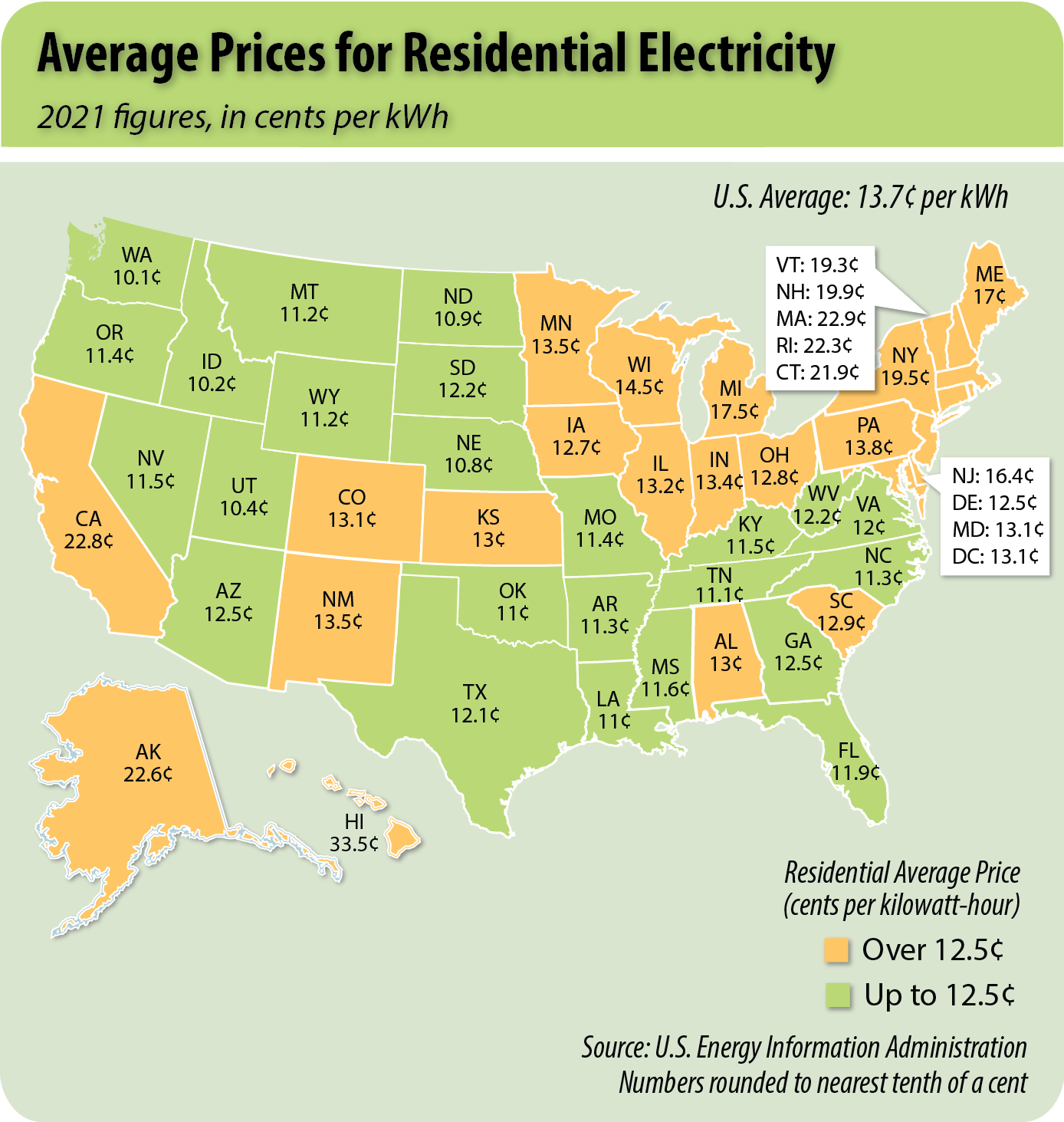
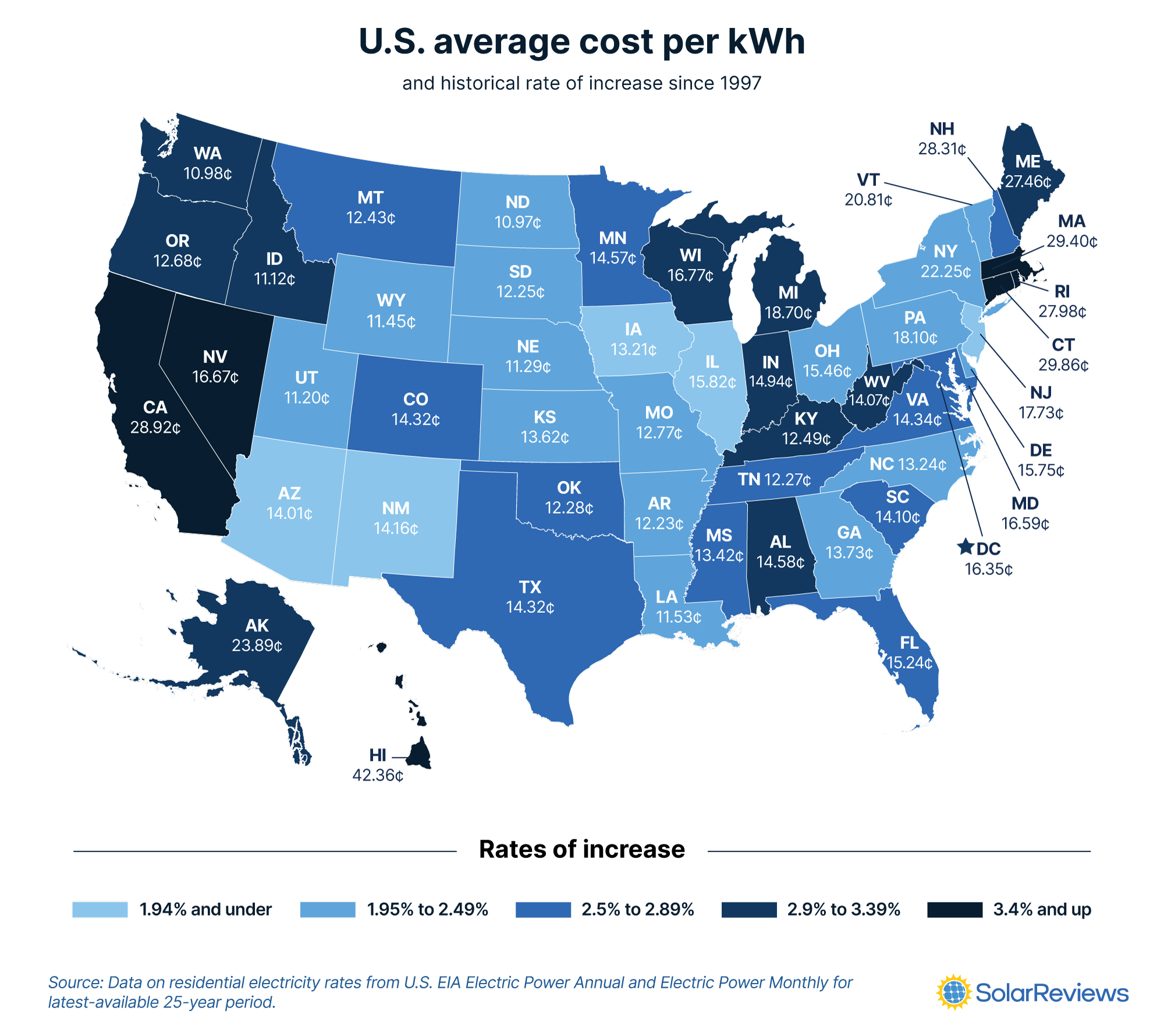
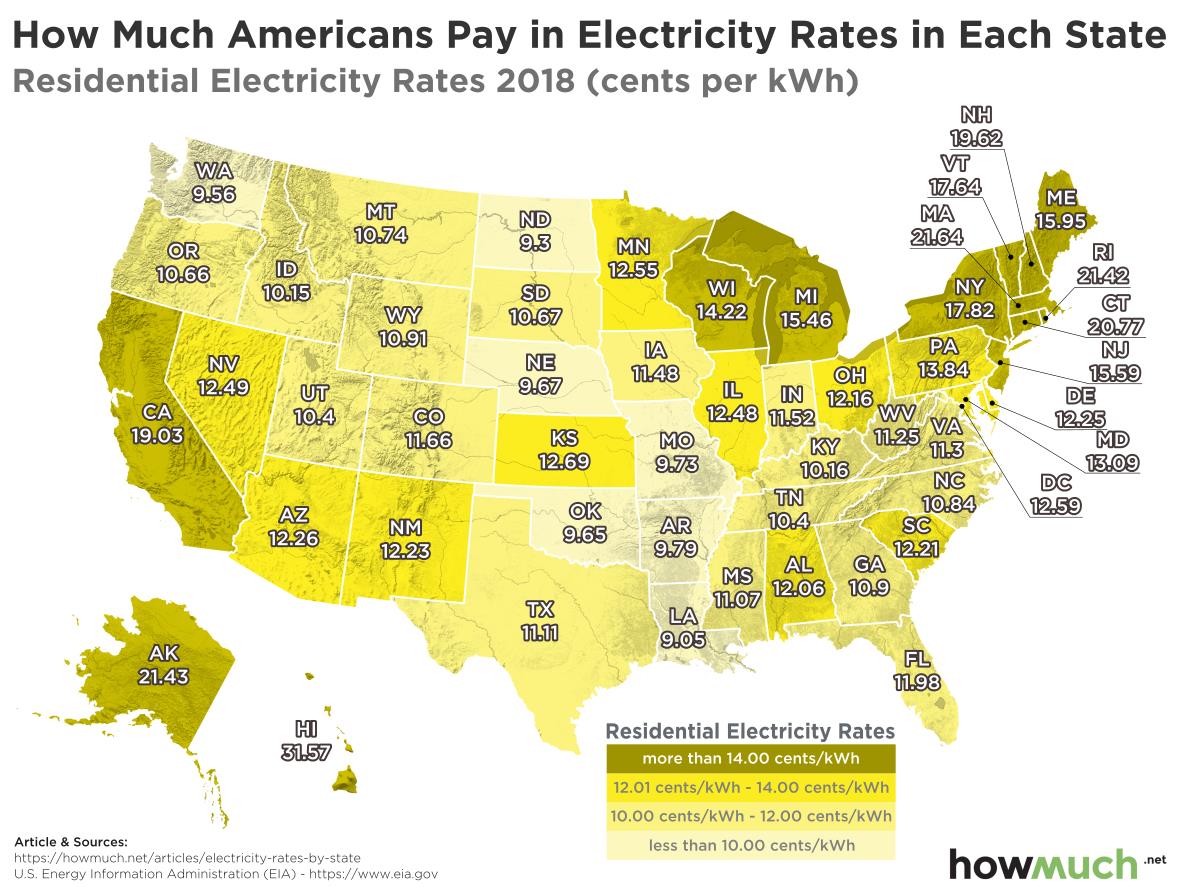
2. The Great State Shuffle: The average price per kWh in the US isn't one magical number that applies everywhere. Oh no, that would be too simple! It’s actually a delightful mix-and-match depending on where you live.
For instance, folks living in sun-drenched California or Hawaii might see higher electricity rates. Why? Well, sometimes it's due to relying more on expensive energy sources, or the cost of maintaining infrastructure across tricky terrains. Meanwhile, states in the central US might enjoy lower rates, perhaps thanks to abundant natural gas or coal. It’s a little bit of a geographical lottery!
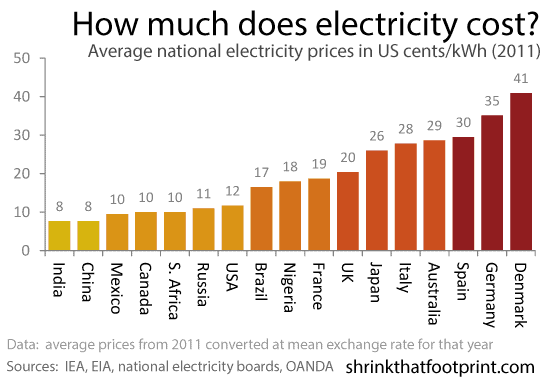
On average, throughout the US, you might see residential prices hovering somewhere around 16 to 17 cents per kWh. But remember, that's just an average, a friendly guideline! Your state, and even your specific utility company, will have its own unique number. It could be as low as 10 cents or climb upwards of 30 cents in some places. Crazy, right? It makes you want to compare notes with your cousin across the country!
3. Being an Energy Superhero: When you understand your electricity cost, you become more mindful. That’s where the "making a difference" part comes in. Every time you unplug a charger or turn off a light, you're not just saving a few cents; you're also making a tiny ripple in the bigger energy pond. It’s like being a quiet superhero, saving the world one light switch at a time.
Little Habits, Big Impact
So, let's bring it back to those daily examples.
- Your phone charger, even when not charging your phone, can be a "vampire" load, quietly sipping power. Unplugging it? A tiny victory!
- Running your washing machine or dishwasher during "off-peak" hours (if your utility offers it) can cost you less per kWh. It's like finding a discount code for your chores!
- Cracking open a window instead of blasting the AC on a mild day? Your wallet (and probably your nose, enjoying the fresh air) will thank you. That AC unit can really chug kWhs!
Understanding the average price per kWh isn't about becoming an electricity expert overnight. It's about being aware, being empowered, and feeling a little more in control of your household budget. It’s about making small, smart choices that add up to real savings and a happier planet.
So, next time you brew that coffee, give a little nod to your power company. You now know a little more about what you're paying for and why it matters. Go forth and be a brilliant, energy-savvy human!