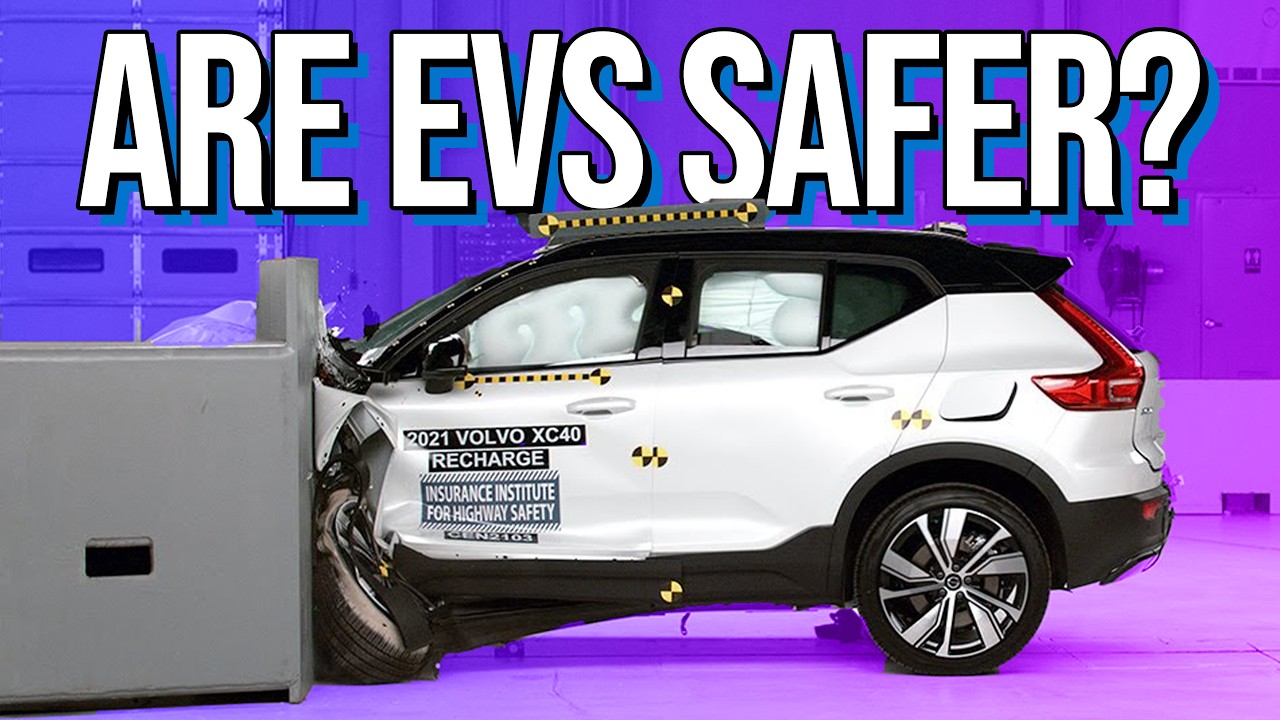
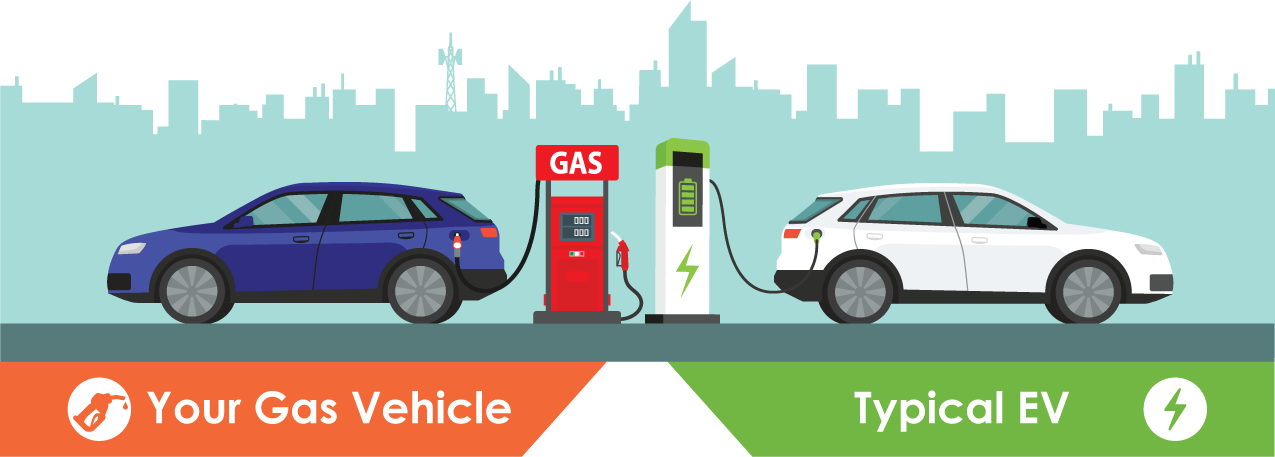
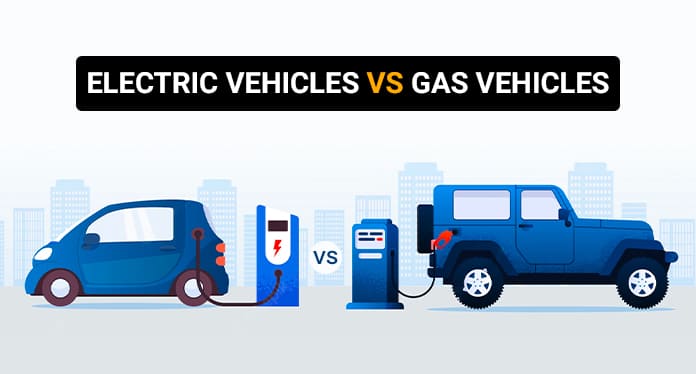
There's a buzzing conversation happening all around us. It's about electric cars, or EVs, and a big question often pops up: Are they safer than our good old gas-powered vehicles? It’s a super interesting topic, full of surprises and new ways of looking at how we get around.
When you think about car safety, many things come to mind. We imagine crash tests, airbags, and all sorts of protective gear. Modern cars, whether they run on gas or electricity, are built with incredible safety features. Engineers work tirelessly to make every ride as secure as possible. But EVs bring some unique twists to the safety story.
Let's start with how these cars are built. EVs often have a really strong frame, almost like a protective cocoon. That's partly because the heavy battery pack is usually located on the floor of the car. This placement isn't just for power; it's a huge safety booster. It creates a very low center of gravity. Think of it like a bowling ball – it’s hard to tip over, right?
This low center of gravity makes EVs surprisingly stable. They’re less prone to rolling over, which is a big deal in certain types of accidents. When you take a turn, an EV often feels like it's hugging the road. That extra stability can give drivers a sense of confidence, knowing their vehicle is firmly planted.
Another cool thing about EVs is what's under the hood... or rather, what's *not* under the hood. Since there's no big gas engine taking up space in the front, designers have more room. This extra space can be used to create longer crumple zones. Crumple zones are areas designed to absorb impact in a crash, much like a shock absorber. They help protect the people inside the car by taking the brunt of the force.
So, in a front-end collision, an EV can sometimes have a bigger "buffer" between you and the impact. This innovative design choice is a direct benefit of the electric powertrain. It’s like having an extra cushion built right into the car’s structure.
What about the battery itself? Many people worry about the big battery pack. Are they safe in a crash? Car manufacturers put a lot of effort into protecting these batteries. They are encased in extremely strong, reinforced structures. These protections are designed to keep the battery safe and sound, even in significant impacts. It's like giving the battery its own personal fortress.
Now, let's talk about a topic that often grabs headlines: fire. We’ve all seen news reports about car fires, and sometimes EVs are singled out. It’s true that both gas cars and EVs can catch fire, but the reasons and behaviors of those fires are different. The important thing to remember is the overall picture.
Statistics often show that gas cars actually have a higher rate of fire incidence compared to EVs. That might surprise you! The fuel in a gas car is highly flammable liquid, after all. However, when an EV battery does catch fire, it can be more challenging to extinguish. This is due to something called thermal runaway, where the battery cells generate their own heat, making the fire persistent. Firefighters are constantly learning new techniques to handle these specific situations, adapting to the evolving technology.
Modern EVs come with incredibly sophisticated safety systems to prevent fires. These systems monitor the battery’s temperature and health constantly. If something seems off, they can often alert the driver or even shut down parts of the battery to prevent a serious issue. It's like having a tiny, watchful guardian dedicated to the battery's well-being.
Beyond crashes and fires, there are other cool safety aspects to consider. EVs are often very quiet. This quietness is lovely for passengers, but it can be a problem for pedestrians who might not hear a car approaching. Because of this, many EVs now come with pedestrian warning systems. These systems make a low sound at slow speeds to alert anyone nearby. It's a thoughtful touch, making sure everyone shares the road safely.
EVs also offer instant torque – that’s the immediate burst of power you feel when you press the accelerator. This can be a double-edged sword. It’s fantastic for quickly merging onto a highway or getting out of a sticky situation. However, it also means drivers need to be careful and accustomed to the car's responsiveness. It's like having a superpower; you need to learn to wield it responsibly!
Many electric vehicles also come packed with advanced driver-assistance systems (ADAS) as standard. Think features like automatic emergency braking, lane-keeping assist, and adaptive cruise control. While these are becoming more common in gas cars too, they are often a core part of the EV experience, adding another layer of safety and convenience. It’s like having an extra pair of eyes and a helping hand on the road.
What about maintenance? EVs have fewer moving parts than gas cars. No oil changes, no spark plugs, no complex exhaust systems. This simpler mechanical design means fewer things can go wrong that might impact safety over time. Of course, they still need regular checks, especially for brakes and tires, but the overall maintenance profile is different and often less intensive.
When we talk about safety, we can also think a little broader. EVs produce zero tailpipe emissions. This means they contribute to cleaner air, which is a form of safety for our communities and our health. Breathing cleaner air is a big benefit, especially in urban areas. It's a less direct form of safety, but an important one for all of us.
Ultimately, a huge part of car safety, regardless of the power source, comes down to the person behind the wheel. A careful, attentive driver is the best safety feature any car can have. Understanding your vehicle, whether it’s gas or electric, and driving responsibly is paramount. Technology helps, but human judgment is still king.
So, are EVs safer than gas cars? It’s not a simple yes or no answer, but rather a fascinating story of evolving design and engineering. They offer distinct safety advantages due to their construction and technology, like a low center of gravity and strong battery protection. They also present unique considerations, like their quiet operation and the nature of battery fires.
The conversation is ongoing, and car manufacturers are constantly innovating to make EVs even safer. What's clear is that both types of vehicles are built with incredible safety standards in mind. Exploring an EV can be a really exciting journey, filled with new technologies and a fresh perspective on how we drive. Perhaps it's time to check one out and experience these unique safety features for yourself!