Ever gazed upon a sleek aluminum railing, a sturdy boat hull, or even a lightweight bicycle frame and wondered about the magic that holds it all together? Welding aluminum has long been the domain of specialized shops and advanced techniques, often making it seem out of reach for the everyday DIY enthusiast. But what if I told you there’s a quiet revolution brewing in your garage, one that makes tackling those aluminum projects not just possible, but genuinely enjoyable? Enter the unsung hero: Aluminum Flux Core MIG Wire. It's not just about joining metal; it's about unlocking a new level of creative and repair power right in your own hands.
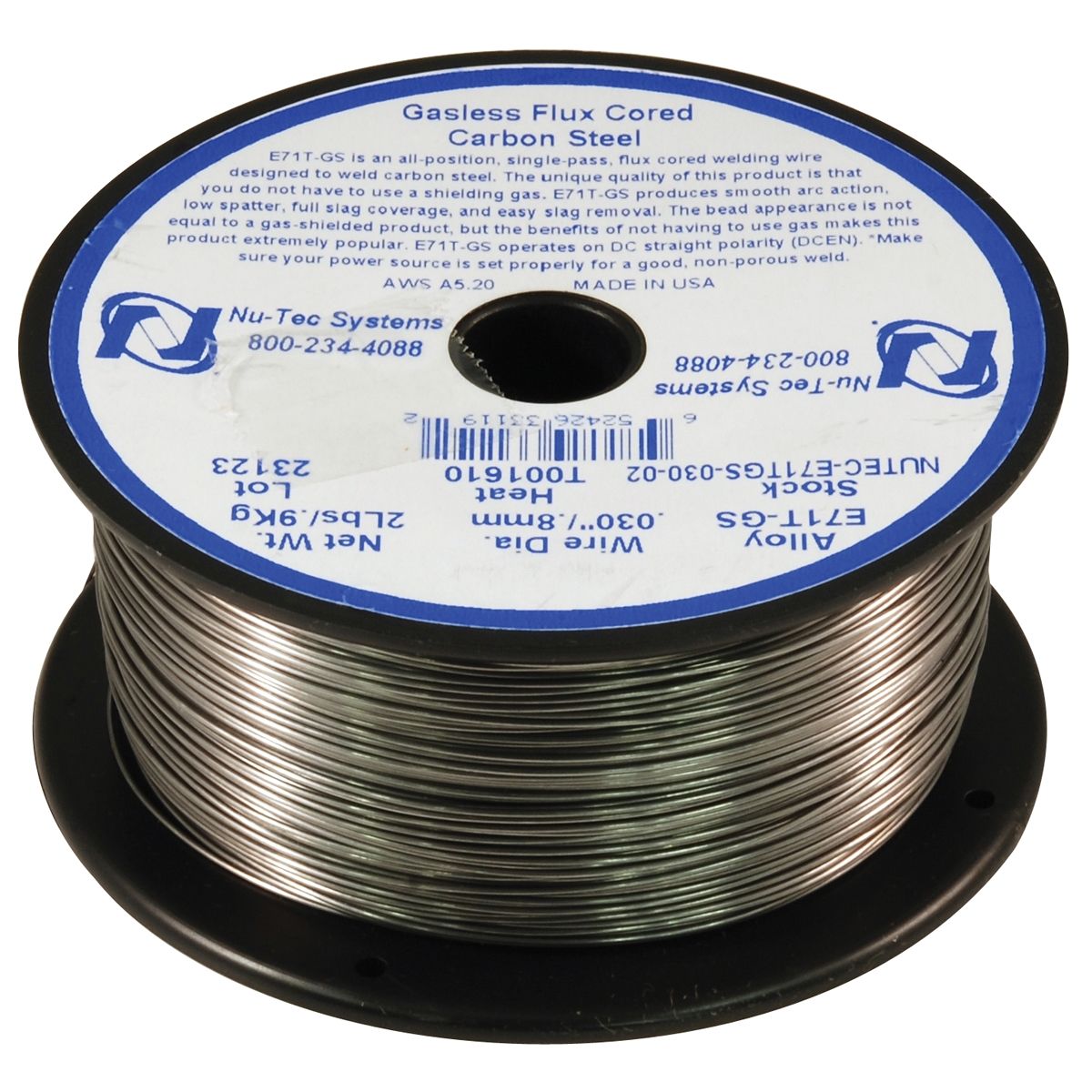
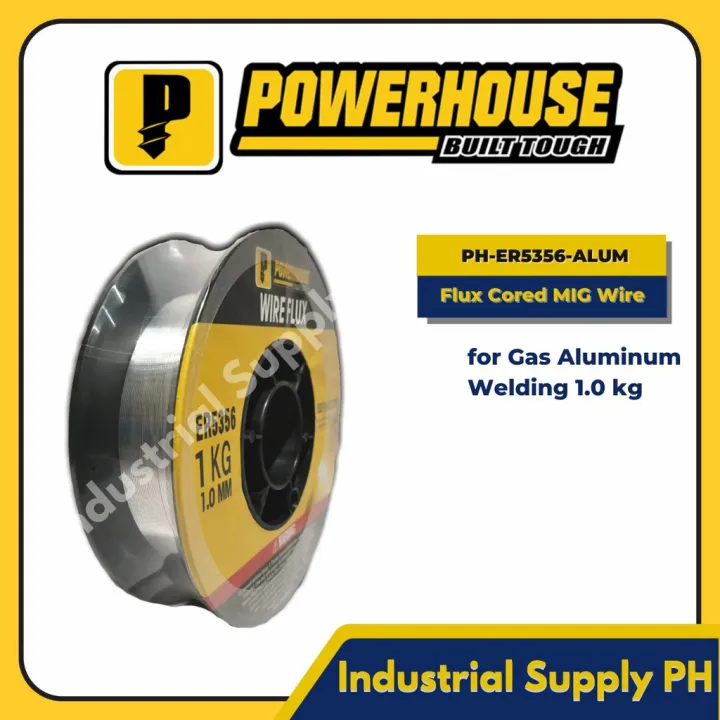
So, what exactly is this marvel, and why should you care? The beauty of aluminum flux core wire lies in its ingenious design. Unlike traditional MIG welding for aluminum, which requires a separate tank of shielding gas (usually argon) to protect the weld puddle from atmospheric contamination, this wire contains a special flux within its core. When heated by the welding arc, this flux creates its own protective gas shield, making the entire setup incredibly simple. For everyday life, this means a significant reduction in complexity and cost. No more hauling heavy gas cylinders, no more worrying about windy conditions blowing your gas shield away outdoors. It’s about freedom and portability, transforming your standard MIG welder into an aluminum-taming beast. You can fix that wobbly aluminum patio chair, repair a crack in your utility trailer, or even embark on ambitious lightweight fabrication projects without the need for an industrial-grade workshop.
The applications are surprisingly diverse. Imagine finally fixing that busted aluminum lawnmower deck instead of buying a new one. Think about custom-building a lightweight toolbox for your truck or fabricating unique shelving units for your garage. Small boat owners can mend minor hull damage, while hobbyists can create intricate aluminum sculptures or robust frames for RC vehicles. It empowers you to tackle repairs that once seemed insurmountable and to craft items that are both strong and light, adding a professional touch to your personal projects. It’s a game-changer for home repairs and creative endeavors, turning "I can't weld aluminum" into "What aluminum project shall I tackle next?"
Ready to unleash your inner aluminum artisan? A few practical tips will help you enjoy this process even more effectively. Firstly, cleanliness is paramount. Aluminum oxide, the dull gray layer that forms on aluminum, has a much higher melting point than the base metal. You absolutely must remove it with a stainless steel wire brush dedicated solely to aluminum, followed by a wipe-down with acetone or isopropyl alcohol. Secondly, practice makes perfect. Start on scrap pieces to dial in your welder's voltage and wire speed settings. A good starting point is often found on the wire spool itself or in your welder's manual. Remember the "push" technique; generally, pushing the weld puddle rather than pulling it yields better results with aluminum. Keep your stick-out (the amount of wire protruding from your contact tip) relatively short, typically around 3/8 to 1/2 inch, for better arc stability. Finally, and crucially, always ensure excellent ventilation; while convenient, flux core wires produce more smoke and fumes than solid wire. With a little preparation and practice, you’ll be laying down impressive aluminum beads, transforming your projects and expanding your DIY horizons with this remarkable wire.