
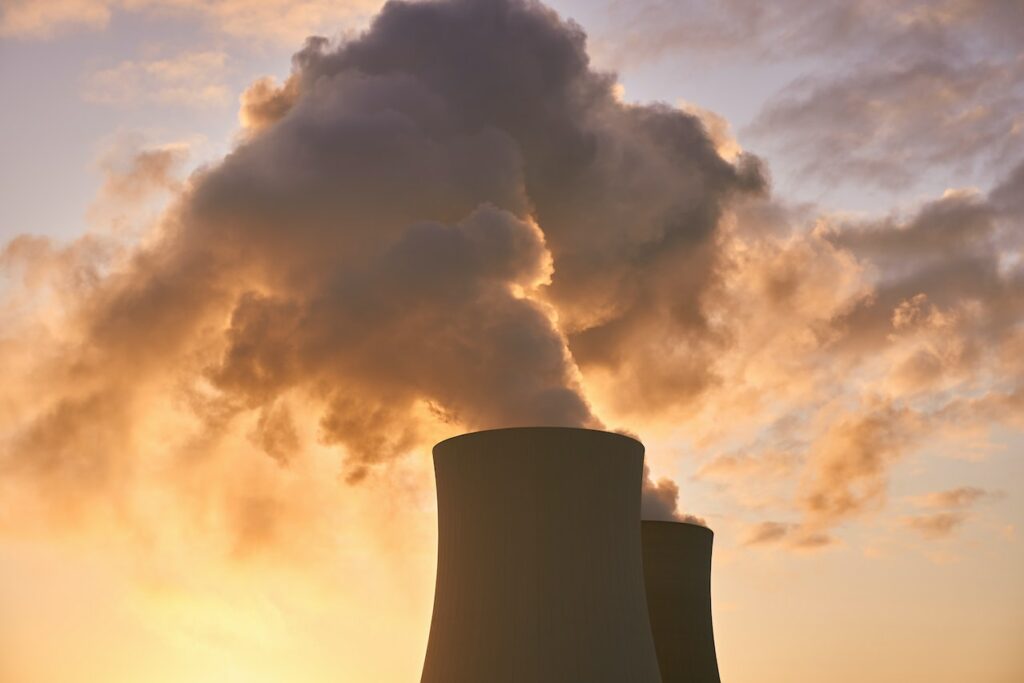
Okay, so picture this: last summer, my power went out during a heatwave. I’m talking sweat-dripping-off-your-nose, can’t-even-think-straight kind of heat. Turns out, a fallen tree took out a power line… fueled by good ol’ fossil fuels. And that got me thinking (after I stopped complaining, of course): what's the deal with how we get our energy anyway? Is there a better way? Enter the epic showdown: Renewable vs. Non-Renewable Energy!
We’re constantly hearing about solar panels, wind turbines, and how we need to "go green," but what does it all *really* mean? Let's break down the advantages and disadvantages of both types of energy sources, with a healthy dose of realism thrown in.
Renewable Energy: The Shiny, Sustainable Hope
Think of renewable energy as the cool, eco-conscious kid on the block. It's all about sources that naturally replenish themselves. We're talking solar, wind, hydro (water), geothermal (earth's heat), and biomass (organic matter).
Advantages:
* Environmentally Friendly: This is the big one. Renewables produce little to no greenhouse gas emissions. Think less pollution, less climate change. (Finally, maybe I can wear my favorite winter coat again without melting!) * Sustainable: They won’t run out! The sun will keep shining, the wind will keep blowing (hopefully!), and water will keep flowing. * Job Creation: The renewable energy sector is booming, creating jobs in manufacturing, installation, and maintenance. A win-win, right? * Energy Independence: Relying on renewables means less dependence on foreign sources of fossil fuels. National security and economic stability, anyone?
Disadvantages:
* Intermittency: The sun doesn't always shine, and the wind doesn't always blow. This means energy production can be unreliable. (Remember that power outage? Imagine if *that* was because the sun took a day off.) * High Upfront Costs: Setting up solar farms or wind turbines can be expensive. Although, prices are definitely coming down! * Land Use: Large-scale renewable energy projects, like solar farms and wind farms, can require a significant amount of land. We have to be mindful of how they impact habitats. * Storage Challenges: Storing renewable energy for later use is still a work in progress. Battery technology is improving, but we're not quite there yet. This is a BIG one!
Non-Renewable Energy: The Reliable (But Risky) Veteran
Non-renewable energy sources are the old guard. They include fossil fuels (coal, oil, natural gas) and nuclear power. These sources are finite, meaning they’ll eventually run out. And let's just say they have a bit of a reputation…
Advantages:
* Reliability: Non-renewables are generally very reliable. Power plants can operate 24/7, regardless of weather conditions. This is what we've been used to for a long time! * Established Infrastructure: We already have the infrastructure to extract, process, and transport fossil fuels. Changing everything over to renewables takes time and (you guessed it) money. * High Energy Density: Fossil fuels pack a lot of energy into a small space. This makes them efficient for powering vehicles and industries. * Relatively Low Cost (Currently): In many cases, fossil fuels are still cheaper than renewable energy sources, at least in the short term. (Notice I said "currently"!)
Disadvantages:
* Environmental Impact: This is the elephant in the room. Burning fossil fuels releases greenhouse gases, contributing to climate change and air pollution. * Finite Resources: They WILL run out eventually. Then what? * Health Risks: Air pollution from burning fossil fuels can cause respiratory problems and other health issues. Not good for anyone! * Resource Depletion: Extracting fossil fuels can damage ecosystems and deplete natural resources.
The Bottom Line
So, which is better? Well, it’s not that simple. Both renewable and non-renewable energy sources have their pros and cons. We need energy, but we need to be smart about how we get it. The ideal solution involves a combination of both, with a gradual shift towards renewables as technology improves and costs decrease. Think of it as a transition, not an immediate switch.
Ultimately, the future of energy is in our hands. We need to support policies that promote renewable energy, invest in research and development, and make conscious choices about our energy consumption. (Maybe unplug that phone charger when it's not in use? Every little bit helps!). We have to look to the future, for our sake and for the sake of the planet.


