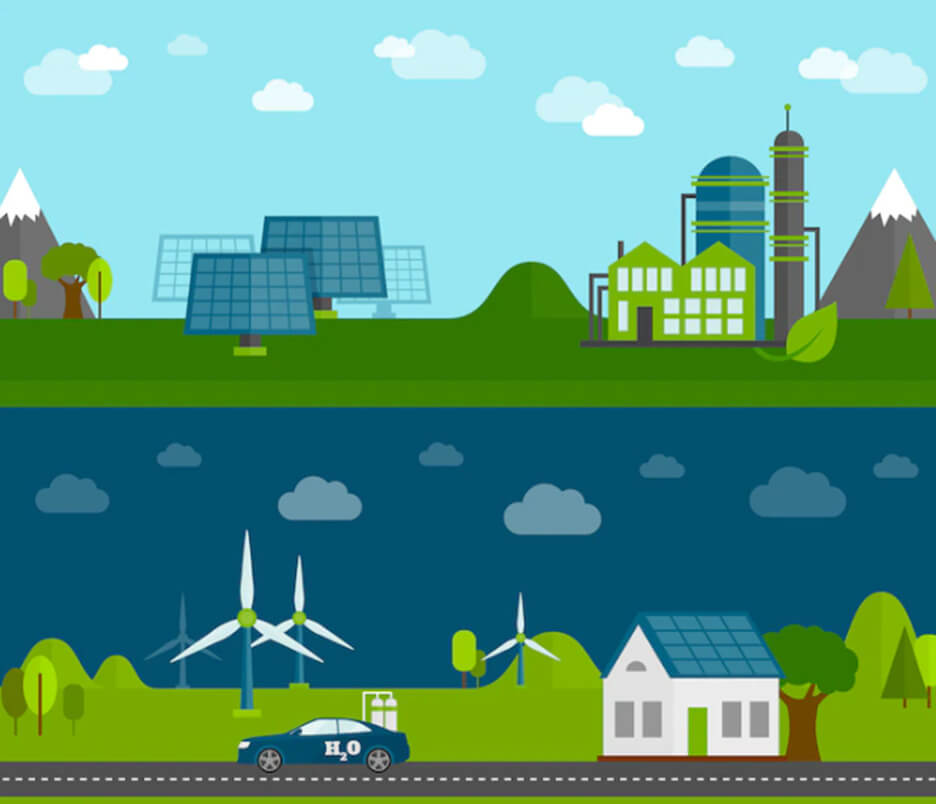
Energy, energy, everywhere! It powers our phones, lights up our homes, and gets us from point A to point B. But where does all this energy actually come from? And are some sources better than others? Let's dive into the world of renewable and non-renewable energy with a smile!
Renewable Energy: Mother Nature's Gift That Keeps on Giving
Think of renewable energy like that friend who always has your back, no matter what. These sources are naturally replenished, meaning they won't run out anytime soon. It’s like having an endless supply of pizza – pure bliss!
The Sunny Side Up: Solar Power
Solar power is like having a giant, free, and ridiculously bright spotlight shining down on us all day. We capture that sunshine with solar panels and turn it into electricity. It’s clean, green, and makes your electric bill sing!
Imagine your roof covered in solar panels, soaking up the sun and turning your home into a mini power plant. You become a neighborhood hero, saving the planet one sunny day at a time! Plus, you can brag about it at the next barbecue.
But, alas, even sunshine has its cloudy days. Solar power isn't as reliable at night, or when it's super gloomy. It's like relying on that friend who's only available when the weather's perfect.
Windy Wonders: Wind Power
Wind power harnesses the breeze to spin giant turbines and generate electricity. Think of it as a massive, eco-friendly fan club dedicated to powering our lives. It’s a breezy solution to our energy needs!
Wind farms can generate a lot of power. It can power entire cities with clean, renewable energy! But wind isn't always blowing consistently.
Sometimes it's a gentle whisper, other times a roaring gale. Wind turbines can be noisy and not always the prettiest things to look at. Think of them as the slightly eccentric but ultimately helpful neighbors in the energy landscape.
Water Works: Hydropower
Hydropower uses the force of moving water, usually from rivers, to spin turbines and create electricity. It's like having a water-powered rollercoaster that generates power instead of screams. It is a truly ancient technology used for millennia.
Hydropower can generate a lot of reliable electricity. Dams can also help control flooding and provide water for irrigation. But building dams can have a significant impact on the environment, disrupting ecosystems and displacing communities.
It's a powerful source of energy, but it's important to consider the consequences of tinkering with nature's waterways. Finding a balance between energy needs and environmental protection is crucial. Hydropower is like the strong, silent type – powerful but needs to be handled with care.
Geothermal Gems: Earth's Internal Heat
Geothermal energy taps into the Earth's internal heat to generate electricity or provide heating and cooling. It's like having a giant, underground radiator keeping us warm and powered. It’s literally energy from the center of the earth!
Geothermal is a relatively clean and reliable source of energy. Once built, geothermal plants require little fuel and produce minimal emissions. However, geothermal resources are not always readily accessible, and drilling into the Earth can sometimes trigger earthquakes.
Think of geothermal as the quiet, consistent energy source that works tirelessly behind the scenes. It's a reliable energy source, but the initial investment can be quite high.
Bioenergy Bonanza: Energy from Living Things
Bioenergy uses organic matter, like plants and agricultural waste, to generate electricity or produce biofuels. It's like turning yesterday's leftovers into tomorrow's energy. Talk about resourceful!
Bioenergy can be a useful way to reduce waste and generate energy. However, it's important to ensure that bioenergy crops are grown sustainably and don't compete with food production. It also requires considerable land and fertilizer inputs.
It's like having a compost bin that powers your home – a great idea, but it needs careful management to avoid unintended consequences.
Non-Renewable Energy: The Fossil Fuel Fiasco
Non-renewable energy sources are like that limited edition toy you desperately want, but once it's gone, it's gone forever. These sources, like coal, oil, and natural gas, take millions of years to form. When we burn them, we release harmful greenhouse gases into the atmosphere.
Coal Comfort: Burning the Past
Coal has been a major source of energy for centuries. It is relatively abundant and inexpensive. It’s like the old reliable car that gets you from point A to point B, but belches out smoke and fumes along the way.
Coal power plants release significant amounts of air pollution. This contributes to climate change and respiratory problems. Mining coal can also be dangerous and environmentally damaging.
It is a readily available source, but the environmental consequences are significant. It is like that friend who is always there for you but leaves a giant mess wherever they go.
Oily Operations: The Liquid Gold Rush
Oil is a versatile fuel used for transportation, heating, and manufacturing. It's like the Swiss Army knife of energy, doing a bit of everything. Oil provides for a wide range of applications, but drilling poses environmental risks.
However, oil extraction and transportation can lead to oil spills. Burning oil releases greenhouse gases, contributing to climate change. Oil is like the fancy sports car that gets you there fast but guzzles gas and leaves a big carbon footprint.
Refining oil also produces toxic waste. Finding alternatives to oil is crucial for a sustainable future. It’s a convenient solution, but it comes with a hefty environmental price tag.
Natural Gas Navigation: The Cleaner Fossil Fuel?
Natural gas is often touted as a cleaner alternative to coal and oil. It is relatively abundant and can be used for electricity generation, heating, and cooking. It's like the slightly more responsible cousin of coal and oil, but still part of the family.
Burning natural gas releases less greenhouse gas than coal or oil. However, it still contributes to climate change. Methane leaks during natural gas extraction and transportation can be a significant problem.
Although it is an improvement over other fossil fuels, it's not a long-term sustainable solution. It's like choosing a slightly less unhealthy dessert – better, but still not a salad.
Nuclear Nirvana (or Not?): Splitting Atoms for Power
Nuclear energy uses nuclear fission to generate electricity. It's like splitting atoms to unlock enormous amounts of power. Think of it as a highly concentrated form of energy, like a super-powered battery.
Nuclear power plants do not produce greenhouse gases during operation. They also generate a lot of electricity from a small amount of fuel. However, the risk of nuclear accidents, like Chernobyl and Fukushima, raises serious concerns.
Storing nuclear waste safely is a major challenge. It’s a powerful and efficient energy source. It also carries potential risks that must be carefully managed.
The Energy Future: A Balancing Act
The future of energy lies in a mix of renewable and non-renewable sources. Transitioning to a sustainable energy system requires investment in renewable technologies, energy efficiency, and smart grid infrastructure. It's like creating a balanced diet for our planet, ensuring we get enough energy without sacrificing our health. We can make it happen!
We need to reduce our reliance on fossil fuels. Embrace renewable energy sources, and innovate new technologies. It's like choosing to walk or bike instead of driving whenever possible – small changes can make a big difference. We can all play a part in creating a cleaner, more sustainable energy future! Let’s work together to power a brighter tomorrow!