Alright, let's talk about keeping things sparkling clean, specifically when it comes to aluminum! You know, that shiny metal that's in everything from your soda cans to fancy airplane wings. It's time to reveal a little secret weapon in the fight against grime.
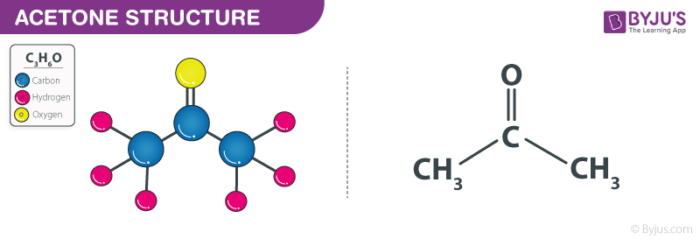
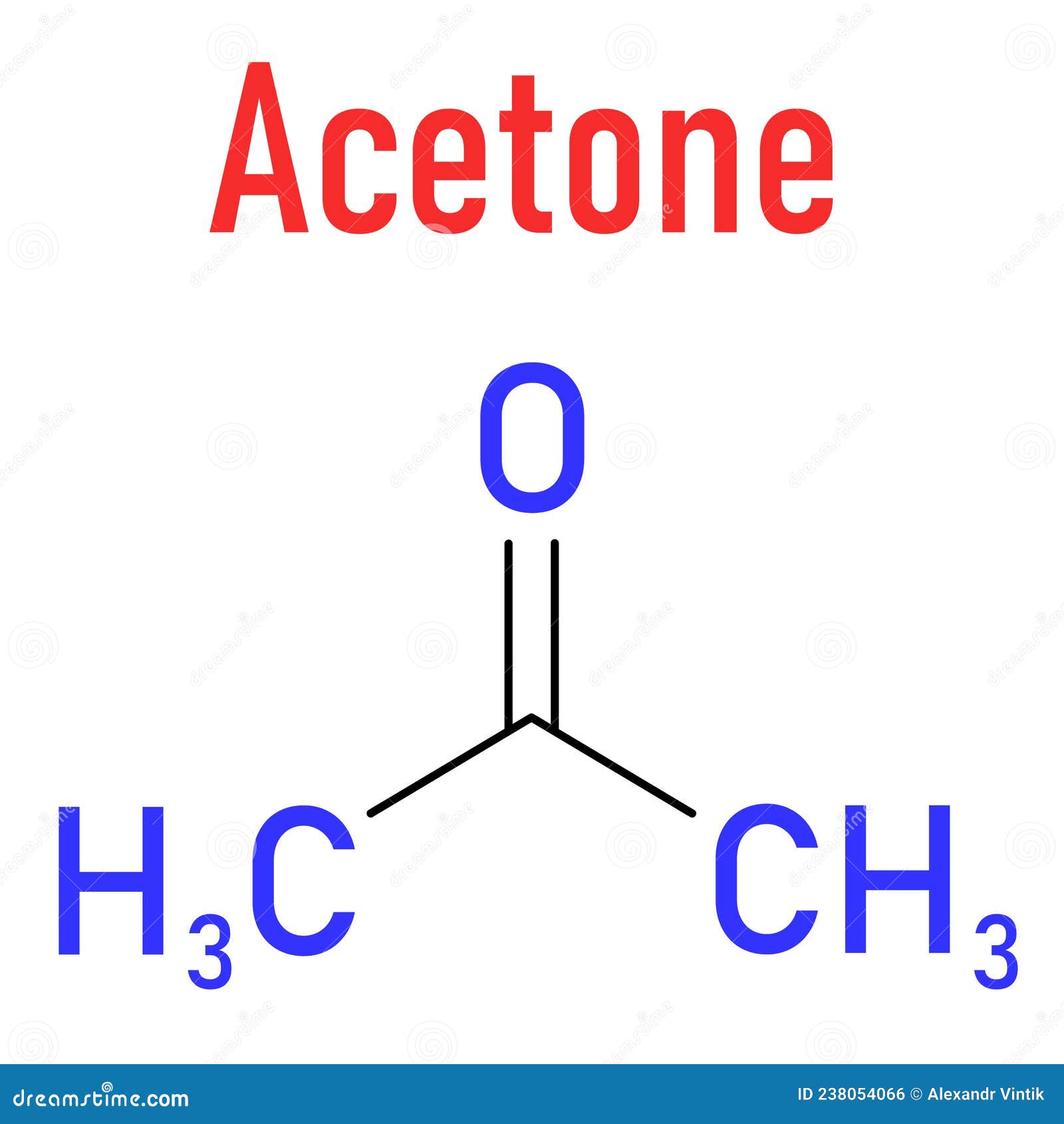
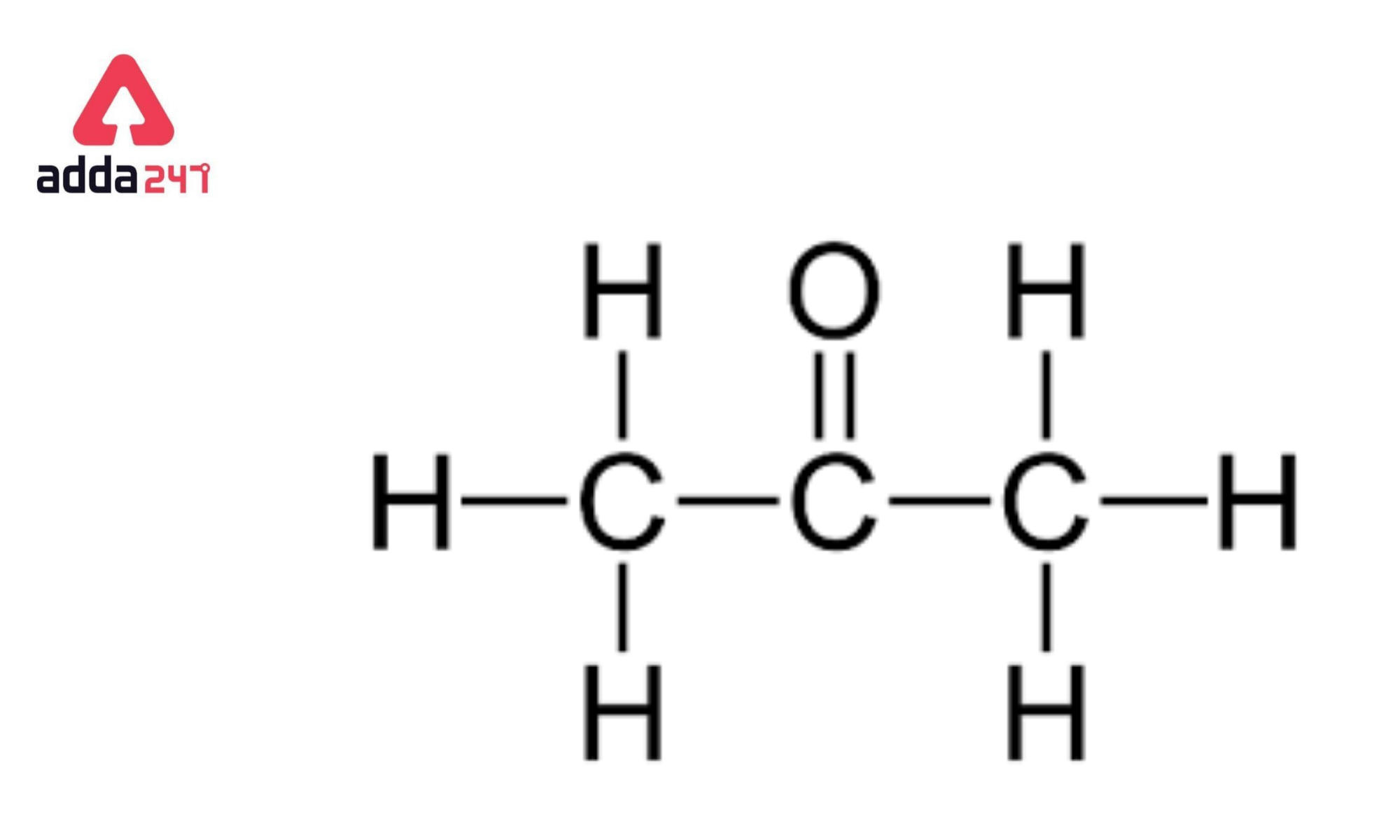
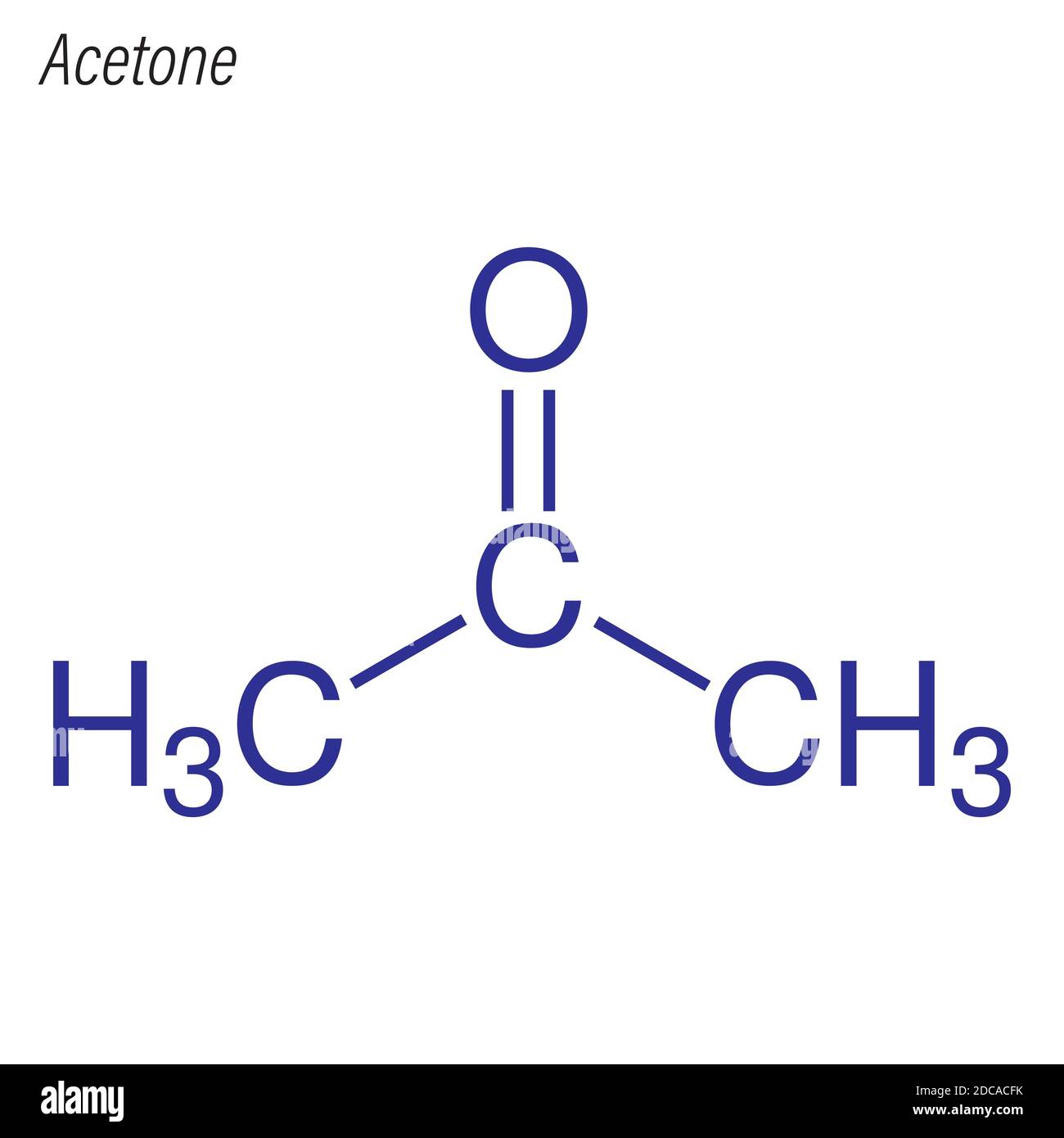
Enter: Acetone! This stuff is like the superhero of cleaning supplies, especially when aluminum is involved. I know what you're thinking, "Acetone? Isn't that…scary?" Trust me, it's not as intimidating as it sounds. It's actually quite a common and useful tool.
The Aluminum Adventure: A Cleaning Quest!
Imagine your favorite aluminum baking sheet after a particularly enthusiastic batch of cookies. Sticky, caramelized sugar clinging on for dear life! Or maybe your aluminum patio furniture has seen better days, covered in a film of who-knows-what after a long winter.
Don't despair! This is where our pal Acetone comes in. It's fantastic at dissolving all sorts of undesirable gunk.
What Can Acetone Conquer?
Think of Acetone as a highly skilled solvent ninja. It stealthily attacks and neutralizes all sorts of contaminants.
It's a pro at banishing grease, oils, adhesives, and even some stubborn paints. Basically, if it's making your aluminum look sad, Acetone is ready to roll up its sleeves (if it had sleeves, that is) and get to work.
Let’s make some comparisons. Imagine trying to scrub off super glue with just soap and water. Nightmare fuel, right? Acetone will dissolve it almost instantly.
And it is great for removing sticker residue. We all hate sticker residue, don't we?
Or what about that time you accidentally spilled nail polish remover (which contains Acetone!) on your aluminum desk and it cleaned it? Who hasn't done that?
How Does This Magic Work?
Without getting too deep into chemistry (because let's be honest, who wants a chemistry lesson right now?), Acetone works by breaking down the molecular bonds of the contaminants. The gunk dissolves away like snow in July!
This allows the unwanted substances to be easily wiped away, leaving your aluminum surface gleaming and ready for action. It's like a spa day for your metal!
It's worth noting that Acetone evaporates quickly, which is a huge bonus. You don't have to wait around for ages for it to dry.
The Acetone Application: Tips and Tricks
Okay, so you're convinced. Acetone is the cleaning champion your aluminum has been waiting for. But how do you actually use it?
First, always work in a well-ventilated area. Acetone has a strong odor, and fresh air is your friend. Open a window, turn on a fan, and pretend you're on a breezy mountaintop (if that helps!).
Next, grab a clean cloth. Microfiber cloths are great because they won't leave behind any lint. You don't want to trade one mess for another!
Dampen the cloth with Acetone (don't soak it!) and gently wipe the affected area. You don't need to scrub like you're trying to win a weightlifting competition. Let the Acetone do the work!
For particularly stubborn messes, you can let the Acetone sit on the surface for a minute or two before wiping. This gives it time to really penetrate and break down the grime.
Finally, wipe the area with a clean, dry cloth to remove any remaining residue. Voila! Sparkling clean aluminum!
A Word of Caution (But Don't Panic!)
Acetone is a powerful solvent, so it's important to use it responsibly. Always test it on a small, inconspicuous area first to make sure it doesn't damage the finish of your aluminum.
While it's generally safe for most aluminum surfaces, some finishes or coatings might be sensitive to it. Better safe than sorry!
And of course, keep Acetone away from open flames and heat sources. It's flammable, so treat it with respect. Think of it as a responsible adult beverage – enjoy, but don't be reckless!
Acetone Alternatives (If You're Feeling Adventurous)
While Acetone is a top-notch cleaner, there are a few other options you can consider if you're looking for something different.
Isopropyl alcohol (rubbing alcohol) can work for some lighter cleaning tasks. It's not as powerful as Acetone, but it's a good option for general cleaning and degreasing.
You could also try a specialized aluminum cleaner. These are formulated specifically for aluminum and can be a good choice for delicate surfaces.
However, for truly stubborn messes, Acetone remains the gold standard.
The Final Verdict: Acetone is Your Aluminum's Best Friend
So, there you have it! Acetone is a fantastic tool for keeping your aluminum surfaces clean and gleaming. It's effective, readily available, and relatively easy to use.
Just remember to use it safely and responsibly, and your aluminum will thank you for it. Think of all the sparkling clean pots and pans, shiny patio furniture, and gleaming soda cans you'll have!
Go forth and conquer those aluminum cleaning challenges! You've got this!
Now, go forth and make your aluminum sparkle! Armed with this knowledge, you're ready to tackle any cleaning challenge that comes your way. Embrace the power of Acetone and unleash the shine!
One final note: always read the product label and follow the manufacturer's instructions when using Acetone or any other cleaning product. Safety first, sparkle second!
Happy cleaning!