Ah, summer! That glorious season of sunshine, long days, and… the inevitable moment you realize your home is starting to feel less like a sanctuary and more like a sauna. Especially when you’re orchestrating comfort across a spacious 2200 sq ft abode, getting your AC right isn't just a luxury; it’s a lifestyle essential.
Picture this: you've just come in from a scorching run, or perhaps you're hosting a lively brunch, and your home is a perfectly chilled oasis. That’s the dream, right? For a house roughly the size of 2200 square feet, we're not just talking about any old window unit. We're talking about a system that can handle the heavy lifting, ensuring every corner, from your cozy reading nook to your spacious open-plan kitchen, feels just right.
The Magic Number: BTUs for Your 2200 Sq Ft Haven
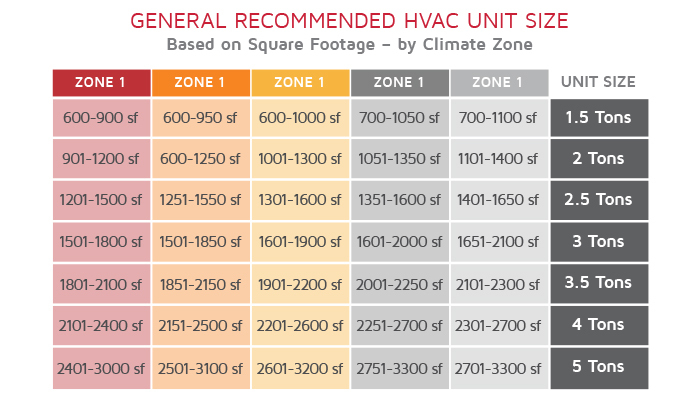
When it comes to AC, the main currency is BTU (British Thermal Unit). Think of it as the unit of power your AC needs to remove heat from your home. A common rule of thumb is about 20 BTUs per square foot. So, for your 2200 sq ft domain, you're looking at a ballpark of 44,000 BTUs. However, AC units are often measured in "tons," where 1 ton equals 12,000 BTUs.
This means you're likely in the market for a 3.5 to 4-ton AC unit. Some might even recommend a 5-ton unit for optimal performance, especially if you have particular challenges (which we'll get to!). It's crucial to get this right; an undersized unit will run constantly and still leave you sweaty, while an oversized one will cycle on and off too quickly, leading to higher humidity and less efficient cooling.
Beyond the Blueprint: Factors That Fine-Tune Your Comfort
Simply multiplying square footage by 20 BTU is a good start, but it's like ordering a coffee without specifying your milk or sugar! There are several other crucial factors that influence the ideal AC size for your 2200 sq ft home:
- Climate Zone: Living in Phoenix versus Portland makes a huge difference. The hotter your climate, the more BTU power you'll need.
- Insulation & Windows: A well-insulated home with modern, energy-efficient windows will retain cool air much better, requiring a slightly smaller unit. Drafty old windows? That's like leaving the fridge door open – you’ll need more power.
- Ceiling Height: High vaulted ceilings mean more air volume to cool, pushing your BTU needs up.
- Sun Exposure: Does your home bask in direct sunlight all day, or is it shaded by mature trees? South-facing windows can significantly increase heat gain.
- Occupancy & Appliances: More people (and their body heat!) plus heat-generating appliances (think kitchen range, gaming PCs) add to the internal heat load.
Practical Tip: Before making a decision, always get a professional HVAC technician to perform a Manual J load calculation. This is a detailed assessment that considers all these factors to pinpoint the exact BTU requirement for your unique home. It’s the gold standard for accuracy!
Choosing Your Cool: Systems for a Modern Home
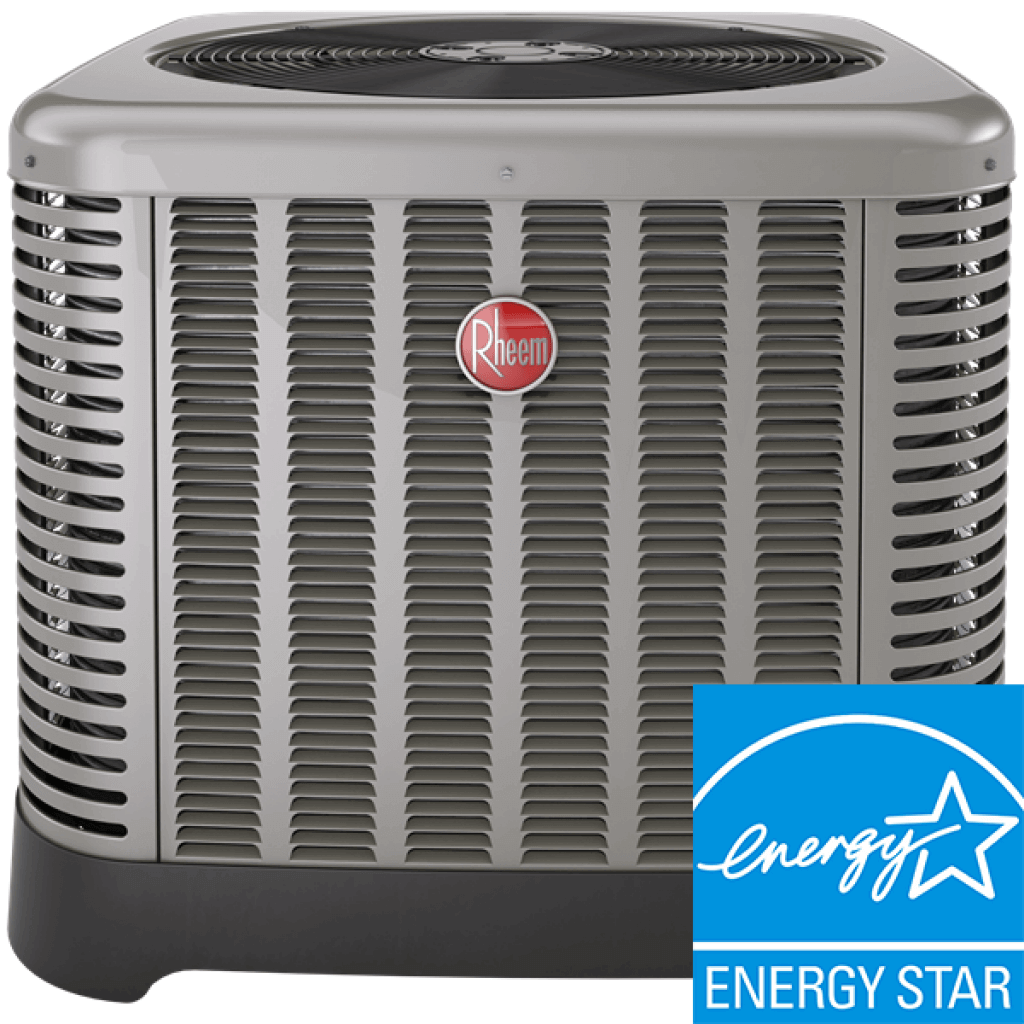
For a 2200 sq ft home, you're likely considering a central air conditioning system. This is the classic choice, using ductwork to distribute cooled air throughout your entire home. It's efficient, relatively quiet, and delivers consistent comfort.
Another increasingly popular option, especially if you have additions or want zoned control, is a ductless mini-split system. These allow you to cool specific areas independently, saving energy in unoccupied rooms. While you might not replace your entire central system with mini-splits for 2200 sq ft, they're fantastic for tricky spots or dedicated home offices.
Smart Cooling, Smarter Living: Efficiency and Maintenance
Remember that central AC unit is going to be one of your home's hardest workers, especially during peak season. So, its efficiency rating matters. Look for the SEER (Seasonal Energy Efficiency Ratio) rating. Higher SEER numbers mean greater efficiency and lower electricity bills. Today, a good minimum is 14 SEER, but 16-20 SEER units are becoming increasingly common and can offer significant long-term savings.
Fun Fact: Did you know that the invention of modern air conditioning by Willis Carrier in 1902 wasn't initially for human comfort? It was to control humidity in a Brooklyn printing plant to keep paper from wrinkling! Talk about an unexpected ripple effect on our lives.
Once your perfect AC is installed, remember that maintenance is key. Regular filter changes, annual professional tune-ups, and keeping the outdoor unit clear of debris will ensure your system runs smoothly and efficiently for years. Think of it as a spa day for your AC!
The Cool Conclusion: More Than Just Temperature Control
Selecting the right AC unit for your 2200 sq ft home isn't just about technical specs; it’s about investing in your comfort, your well-being, and your lifestyle. A properly sized and maintained system means better sleep, more productive work-from-home days, happier gatherings with friends and family, and an overall sense of calm when the mercury rises outside.
In a world that often feels like it's heating up, both literally and figuratively, knowing you can retreat to a consistently cool and comfortable home is a priceless luxury. It’s about creating that perfect personal climate, allowing you to relax, recharge, and truly enjoy the sanctuary you’ve built.