Alright, let’s talk about that moment when summer hits, and your home starts feeling less like a cozy sanctuary and more like a preheated oven. You know the drill:
- Sweat beads forming before you’ve even finished your coffee.
- The dog giving you judgmental looks because even he's hot.
- Your ice cream melting into a puddle faster than you can say “Brain Freeze.”
It’s a special kind of misery, isn’t it? And if you’re living in a cozy 1000 square foot home, you might be thinking, “What kind of AC unit do I need to turn this sauna into a spa?” Well, my friend, you've come to the right place for some no-nonsense, laugh-a-little advice.
The Goldilocks Principle of AC Sizing
Choosing an AC unit is a bit like finding the perfect pair of shoes – too small, and you’re squished and uncomfortable; too big, and you’re tripping over yourself. For your 1000 sq ft pad, we're aiming for just right.
The magic number we usually talk about is BTUs (British Thermal Units). Think of BTUs as the AC unit’s muscle – how much heat it can kick out of your house in an hour. As a super rough rule of thumb, you need about 20 BTUs per square foot.
- So, for a 1000 sq ft home, that’s 1000 x 20 = 20,000 BTUs.
- Now, AC units are often measured in “tons,” where 1 ton equals 12,000 BTUs.
- So, 20,000 BTUs is approximately 1.5 to 2 tons.
Easy peasy, right? Hold your horses, buttercup. While 1.5 to 2 tons is a great starting point, it’s not just a simple math problem. This isn't like counting your socks; there are other players in the game.
Beyond the Basic Math: What Else Matters?
Imagine trying to cool a leaky bucket versus a well-sealed cooler. Your house is kind of similar. Here are some curveballs that can change your BTU needs:
- Sun Exposure: Does your house get blasted by the sun all day like a lizard on a hot rock? You might need a little more oomph.
- Insulation: Is your attic insulated like a Yeti's sleeping bag, or is it a bit… drafty? Better insulation means less heat seeping in, and less work for your AC.
- Windows: Old, single-pane windows are like leaving the door open. Energy-efficient windows keep the cool in.
- Ceiling Height: High ceilings mean more air volume to cool, which translates to needing a touch more power.
- Heat-Generating Appliances: Do you cook like a gourmet chef every night? That oven kicks out some serious heat!
These aren't deal-breakers, just factors that mean your ideal unit might lean towards the higher end of that 1.5-2 ton range, or even slightly beyond, after a professional assessment.
Your AC Options: The Cool Kids on the Block
For a 1000 sq ft home, you've primarily got two main contenders:
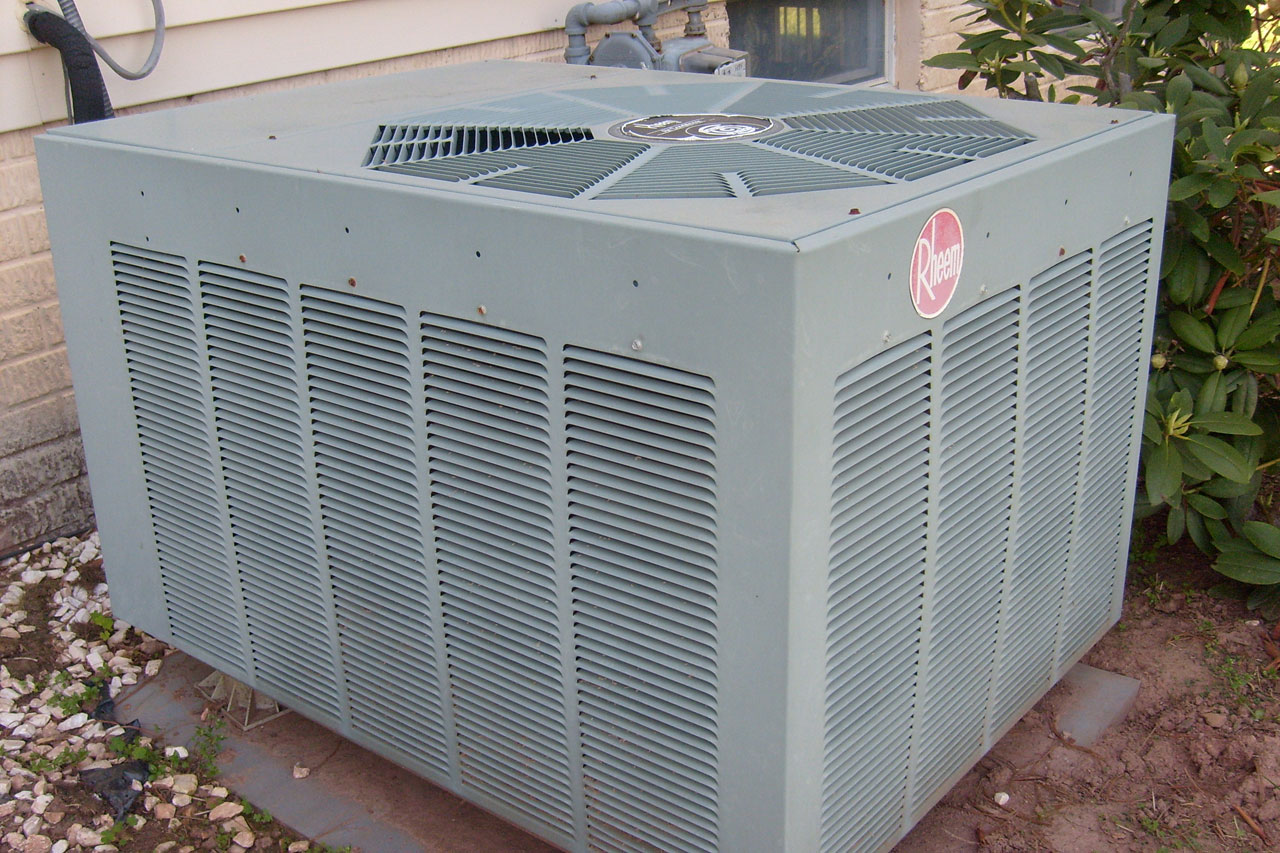
1. Central Air Conditioning: The Unseen Hero
This is the classic. The whole-house whisperer. If your home already has ducts (those hidden pathways for air), then a central AC system is often the most efficient and comfortable choice. It cools your entire home evenly, like a gentle, invisible blanket of crisp air. You just set it and forget it, basking in consistent coolness throughout every room. No noisy units in your windows, just sweet, sweet relief.
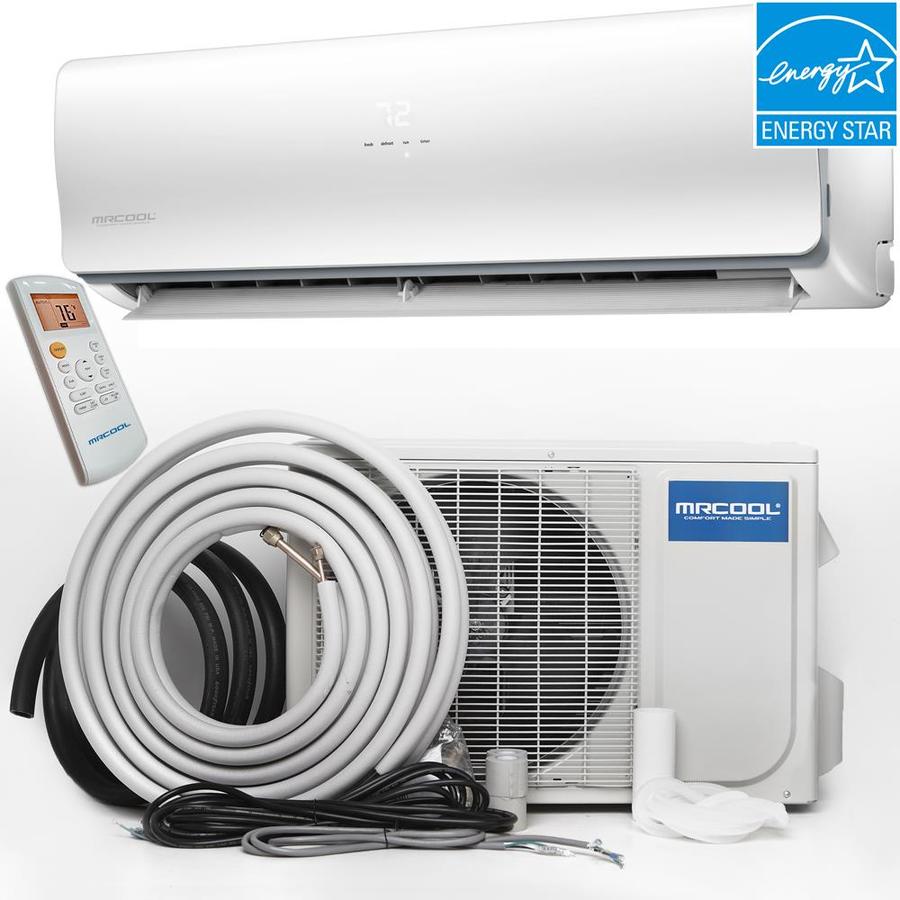
2. Ductless Mini-Splits: The Nimble Ninja
No ducts? No problem! Or maybe you have a specific area that's always hotter than the rest? Enter the mini-split system. These sleek units hang on your wall and deliver targeted cooling. They're super efficient, quiet, and great for zoning – meaning you only cool the rooms you're using. It's like having multiple personal AC units, but way more sophisticated and less clunky than a window unit.
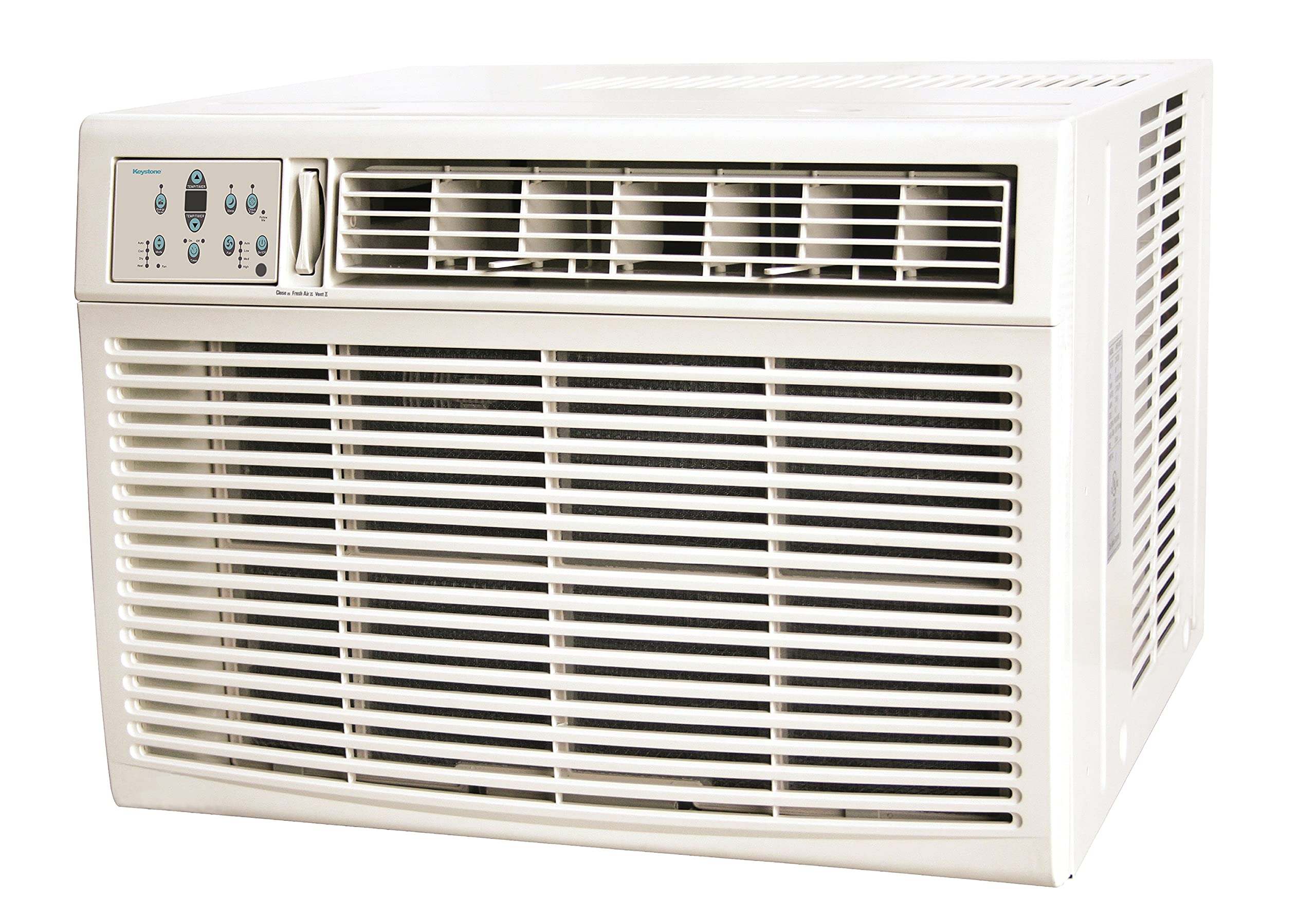
While window units exist, for a *whole 1000 sq ft home*, trying to cool it with a collection of window units is like trying to win a marathon wearing flip-flops – technically possible, but definitely not ideal or efficient in the long run.
The Wallet Talk: SEER and Installation
Let's talk money, honey. It's an investment, not just a purchase. You'll hear about SEER ratings (Seasonal Energy Efficiency Ratio). Think of SEER as the gas mileage for your AC. A higher SEER number means more efficiency, which means lower electricity bills. It might cost a bit more upfront, but your future self (and your wallet) will thank you every month.
And then there's installation. Please, for the love of all that is cool, do not try to DIY this unless you're a qualified HVAC tech. Installing an AC unit is more complex than assembling IKEA furniture blindfolded. It involves refrigerants, electrical work, and duct sealing. A professional installation ensures your unit runs safely, efficiently, and lasts for years, not just until the first heatwave.
Your Cool Oasis Awaits
Finding the right AC unit for your 1000 sq ft home doesn't have to be a daunting task. Start with that 1.5 to 2-ton estimate, consider your home's unique quirks, and then – this is the crucial part – call in the pros. An experienced HVAC technician will do a proper load calculation, factoring in all those little details we talked about, and give you tailored recommendations.
Soon, you won't be sweating through your pajamas or watching your popsicles melt in despair. You'll be kicking back in your perfectly chilled living room, feeling like you've just stepped into an arctic wonderland. And that, my friend, is a feeling worth investing in.