Imagine this: the sun's blazing, the humidity is clinging, and you finally step inside, eager for that blissful blast of cold air from your AC. You flick it on, wait a moment… and what you get is, well, just air. Room temperature air. Or worse, slightly warm air. Sound familiar? It’s a common summertime conundrum, and honestly, it can feel like a mini-mystery playing out right in your living room! Learning a little about why your AC might not be blowing cold isn't just practical; it's genuinely fascinating. It empowers you to understand your home better, potentially save some money, and even feel a little bit like a household detective.
So, what’s the big deal about a functioning AC? Beyond the obvious comfort on a sweltering day, the purpose of your air conditioning system is to actively remove heat and humidity from your indoor space, creating a more pleasant and often healthier environment. The benefits are immense: better sleep, improved concentration during work or study, and protection for sensitive electronics or wooden furniture. When it's not working, you're not just missing out on coolness; you're losing out on these critical quality-of-life improvements. Understanding why it’s gone rogue offers the huge benefit of knowing when it's a simple fix you can tackle and when it's time to call in the pros, potentially saving you from costly emergency repairs later on.
This kind of practical knowledge isn't just for HVAC technicians; it's surprisingly relevant in daily life and even offers a neat educational angle. In your daily life, recognizing the subtle signs – a faint unusual smell, a strange noise, or just that nagging feeling of not-quite-cold air – allows you to be proactive. You can catch a minor issue before it escalates into a major breakdown on the hottest day of the year. Educationally, delving into why an AC works (or doesn't) is a fantastic, real-world lesson in basic physics, specifically thermodynamics and heat transfer. You get to glimpse how refrigerants, pressure, and airflow magically conspire to create comfort. It’s a lesson in problem-solving, too, teaching you to observe, hypothesize, and test – skills invaluable in countless situations beyond home repair.
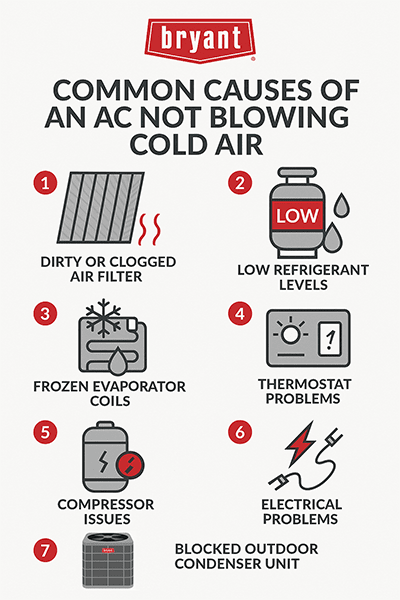
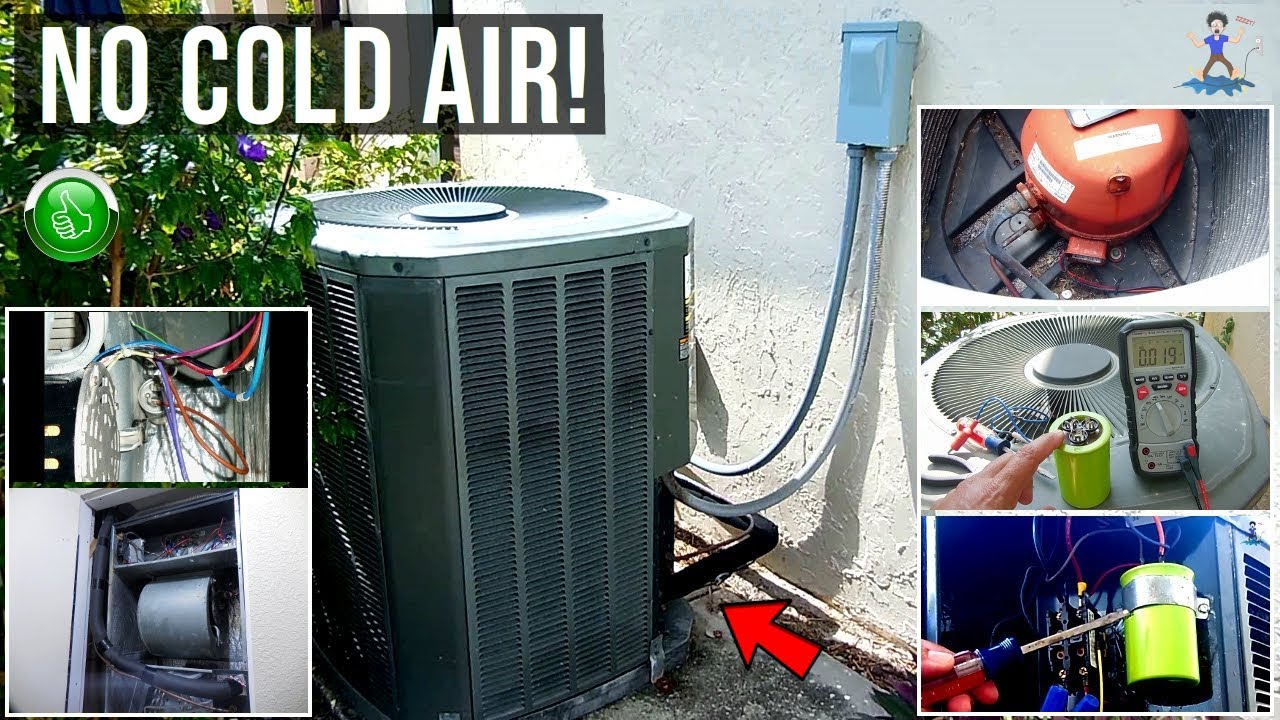
Ready to put on your detective hat? Here are a few simple, safe ways to explore what might be happening. First, and often surprisingly effective, check your thermostat settings. Is it actually set to "cool" and at a temperature low enough to trigger the system? Is the fan set to "auto" or "on"? Next, take a peek at your air filter. A clogged, dirty filter is a common culprit, restricting airflow and sometimes causing the system's evaporator coils to freeze up. Swapping a dirty filter for a clean one is an easy win! Then, venture outside to your outdoor unit, the condenser. Is it smothered by leaves, dirt, or overgrown shrubs? Clearing debris around it allows it to "breathe" and dissipate heat properly. You can also check your home's electrical panel to see if a circuit breaker for the AC has tripped. If you hear hissing or see ice on the copper lines, these are signs of more complex issues like a refrigerant leak or low refrigerant, which definitely warrant a professional. Always remember, when exploring, safety first: turn off the power to the unit before inspecting anything inside. A little curiosity can go a long way in understanding your AC and keeping your cool!