We live in a world brimming with numbers, from the price tag on your morning coffee to the astronomical distances between stars. Sometimes, these numbers can feel overwhelming, but what if we told you that understanding some of their most powerful relationships can be incredibly fun and surprisingly intuitive? One such relationship is the magic of scale, specifically when something is a whopping ten times as much. It’s a concept that helps us make sense of everything from our bank accounts to the vastness of the universe.
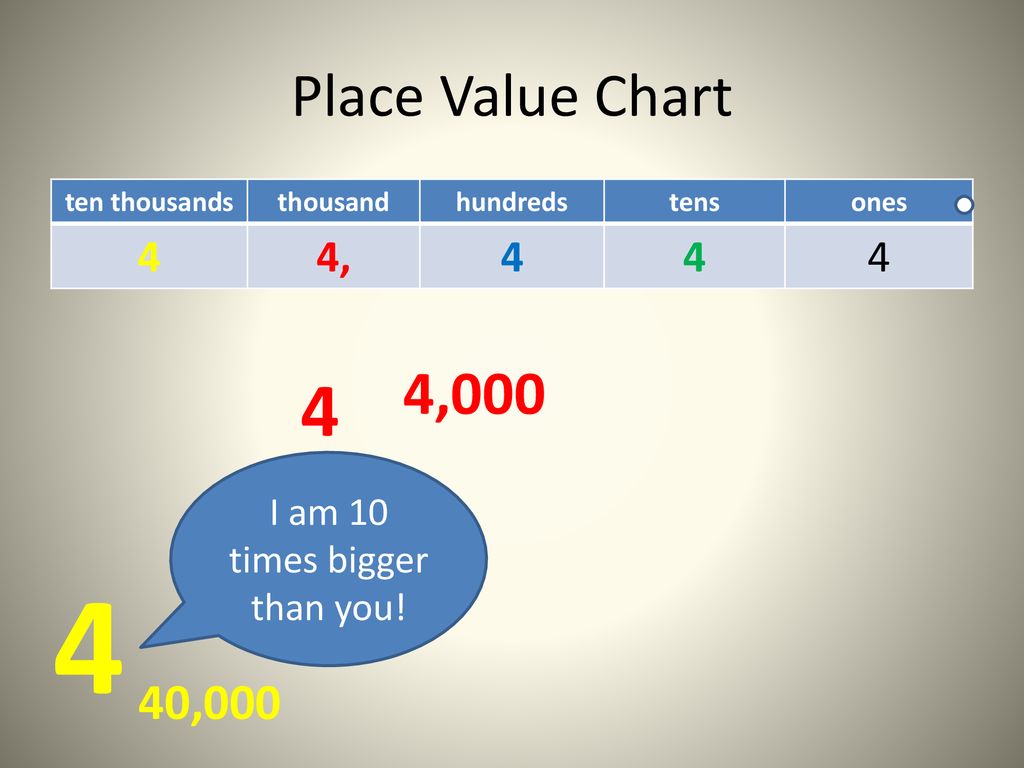
Why do we even care if 8000 is 10 times as much as 800? Because grasping this simple scaling principle is a superpower for everyday life. It helps us interpret news headlines ("The budget increased tenfold!"), understand sales ("Get ten times the points today!"), and even plan for the future. It’s not just about crunching numbers; it’s about understanding proportion. When you know that something is ten times larger, you instantly get a sense of its magnitude relative to a smaller, more manageable figure. This ability to mentally multiply or divide by ten allows for quick, on-the-fly estimations and a deeper comprehension of quantities.
You’re already using this concept more than you realize! Think about money: if you have $800 in savings, understanding that a goal of $8000 is ten times as much helps you visualize the effort needed. Or consider time: 800 seconds might feel like a short wait (around 13 minutes), but 8000 seconds is over two hours – a significantly longer commitment! In real estate, an $800 monthly rent vs. an $8000 monthly mortgage payment for a luxury property immediately highlights the difference in scale. Even in environmental science, comparing 800 gallons of water consumed daily by an average household to 8000 gallons used by an industrial facility underscores a critical difference in resource use.
Ready to make this numerical superpower work for you even more effectively? Here are some practical tips:
- Visualize It: When you hear "ten times as much," picture ten stacks of the smaller item. If a small box holds 800 toys, imagine ten of those boxes to get 8000 toys.
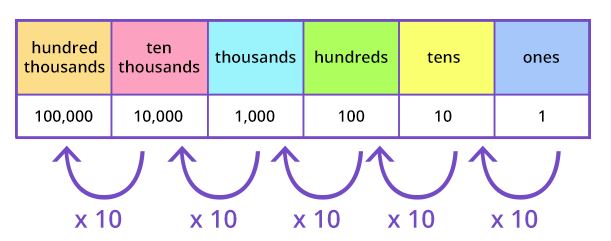
- Look for the Zero: Often, multiplying a number by ten simply means adding a zero to the end. So, 800 becomes 8000. This isn't always true for decimals, but it's a great quick-check for whole numbers.
- Practice Comparison: Actively look for opportunities to compare quantities in your daily life. "Is this new phone plan 10 times better than my old one for only twice the price?"
- Break It Down: Big numbers can be intimidating. If you’re struggling to grasp 8000, think of it as "eight hundreds" multiplied by ten, or simply ten groups of eight hundred.
Embracing the simplicity of "ten times as much" isn't just about math; it's about sharpening your intuition, empowering your decisions, and gaining a richer understanding of the world around you. So next time you encounter numbers, remember the power of the tenfold and marvel at how quickly you can grasp their true scale!