Hey there, fellow adventurer! Do you dream of off-grid weekends, perfectly powered van life, or a boat that keeps all its gadgets humming? Maybe you just want your backyard shed lights to shine bright, every single time. Whatever your power dreams, there’s a little secret weapon that often gets overlooked, but is absolutely crucial for making it all happen: the humble wire.
Now, I know what you might be thinking. "Wires? Really? Sounds about as exciting as watching paint dry." But hold on a minute! What if I told you that understanding something as seemingly technical as "12 Volt DC 30 Amp Wire Size" can actually be your ticket to more fun, less frustration, and a whole lot of DIY satisfaction? Because it totally can!
Why Should You Even Care? (Hint: It's All About Powering Your Dreams!)
Imagine this: You’re out in the wilderness, miles from anywhere, and you've got your portable fridge chilling your drinks, your lights illuminating your camp, and your phone charging. Pure bliss, right? Now, imagine those same lights flickering weakly, your fridge barely cooling, and your phone charger acting like it’s on holiday. Ugh. That's not fun at all!
Often, the culprit isn't a faulty appliance or a dead battery; it's simply a wire that's too small for the job. Getting the right wire size isn't just about technical correctness; it's about ensuring your gear works reliably, protecting your investment, and most importantly, keeping your adventures hassle-free and full of joy! It’s about building a system you can truly trust.
The Tiny Battles Wires Fight: Understanding Voltage Drop
Think of electricity flowing through a wire like water flowing through a hose. If you want a strong stream at the end, you need a hose of adequate diameter. Try to push too much water through a thin garden hose, and what happens? The pressure drops!
The same principle applies to electricity. Wires have resistance, and as current flows through them, some of that precious 12-volt energy gets "lost" as heat. This "loss" is called voltage drop. For higher voltage systems (like your house's 120V AC), a little voltage drop isn't usually a big deal. But in a 12 Volt DC system, where you don't have much voltage to spare, even a small drop can make a big difference. Your fridge might struggle, your lights dim, and your electronics might refuse to charge properly. Annoying!
30 Amps: The Powerhouse Punch!
When we talk about 30 Amps, we're talking about a significant amount of electrical current. This isn't just for charging a single phone; this is the kind of power you need for a decent sized inverter, a hungry compressor fridge, multiple lights, a water pump, or a serious charging setup. It's the kind of power that truly lets you be self-sufficient.
If you try to push 30 amps through a wire that's too thin, a few things happen: first, you get that pesky voltage drop. Second, and far more concerning, the wire itself starts to heat up. And when wires get too hot, well, that's when things can go from inconvenient to actually dangerous. We're talking potential melting insulation and, in worst-case scenarios, fire hazards. Nobody wants that! Choosing the right wire size is fundamentally about safety and peace of mind.
The Magical Number: What Wire Size Do You Need?
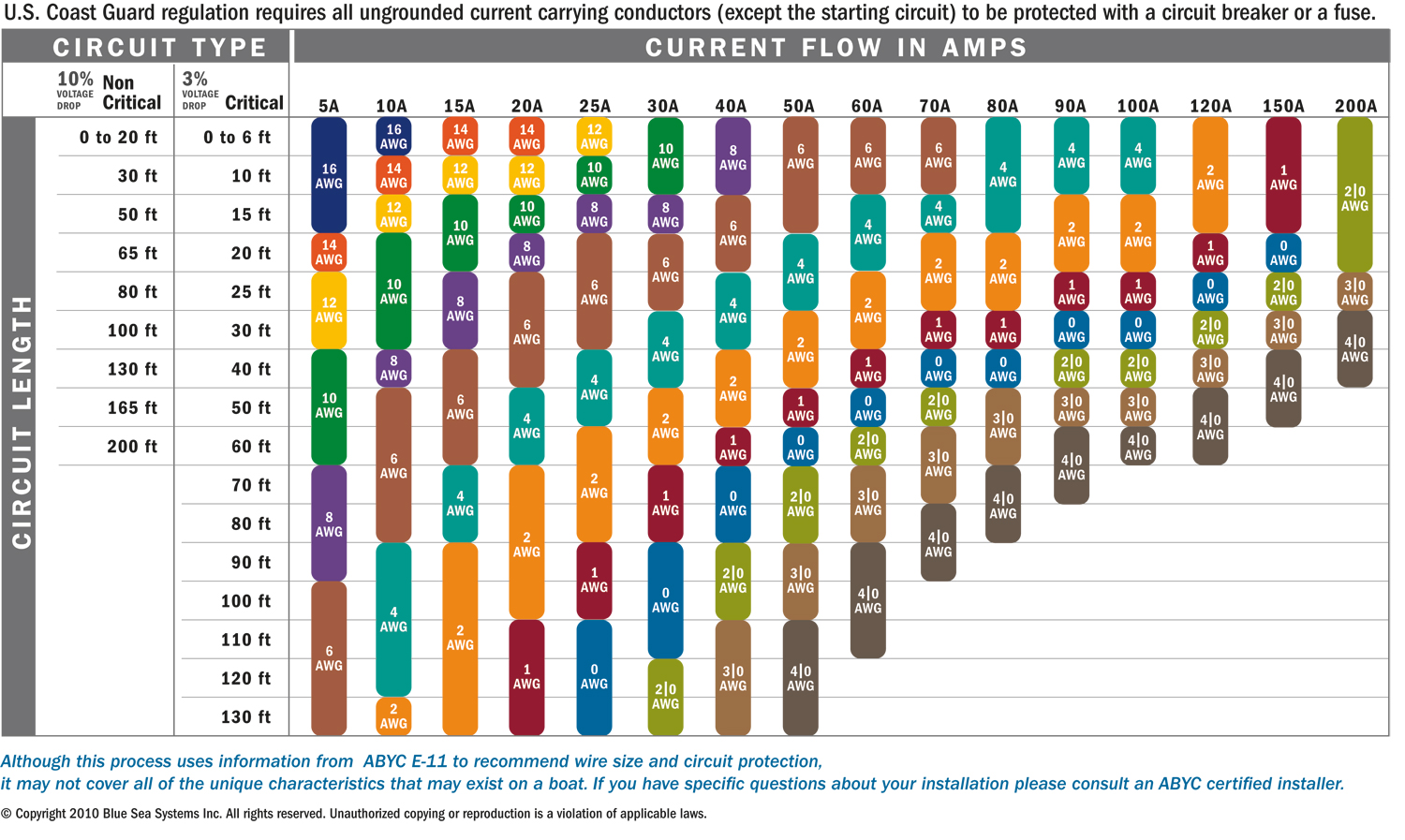
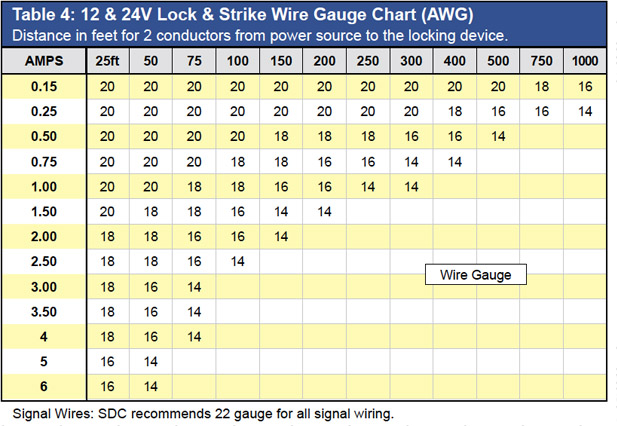
Alright, down to brass tacks! For a 12 Volt DC system pulling 30 Amps, the exact wire size depends significantly on one often-overlooked factor: the length of the wire run. The longer the wire, the more resistance it has, and thus, the fatter it needs to be to minimize voltage drop and safely carry the current.
In the electrical world, wire size is measured using the AWG (American Wire Gauge) system. And here's the fun twist: the smaller the AWG number, the thicker the wire! So, a 10 AWG wire is thicker than a 14 AWG wire. Got it? Good!
For a 12V DC 30 Amp application:
- For shorter runs (say, under 10 feet round trip): 10 AWG wire might suffice, but you're often pushing it for 30A.
- For typical runs (10-20 feet round trip): You'll definitely want to step up to 8 AWG wire to minimize voltage drop and ensure optimal performance.
- For longer runs (over 20 feet round trip): You might even consider 6 AWG wire to be absolutely safe and efficient.
Remember, it's always better to go a little oversized than undersized. A slightly thicker wire costs a bit more, but it guarantees efficiency, prevents dangerous overheating, and ensures your devices get the full power they need. It's an investment in reliability!
Beyond the Gauge: The Full Power Picture
Choosing the right wire size is a huge step, but it’s part of a bigger, empowering picture. Don't forget other crucial components like fuses or circuit breakers, which are your system's ultimate guardian angels against overcurrents. And proper connections – think good quality crimps or soldered joints – are just as important as the wire itself! A thick wire with a shoddy connection is like having a super-fast car with flat tires.
The satisfaction of knowing you've correctly sized your wires, installed your fuses, and made solid connections? It's priceless! It means you've built something reliable, safe, and robust. You've empowered yourself to power your own world.
Your Journey to Electrical Empowerment!
See? Understanding "12 Volt DC 30 Amp Wire Size" isn't dry and boring at all! It's about taking control, preventing problems, and unlocking a world of possibilities for your mobile adventures, home projects, or off-grid dreams. It's about the confidence that comes from knowing your lights will stay bright, your fridge will stay cold, and your devices will always be ready to go.
You've just taken a fantastic first step into the incredibly rewarding world of practical electricity. This knowledge makes you more self-sufficient, more capable, and ultimately, helps you enjoy life's adventures even more. So go forth, explore, learn more, and start wiring your world with confidence and a whole lot of fun! The power is, quite literally, in your hands!