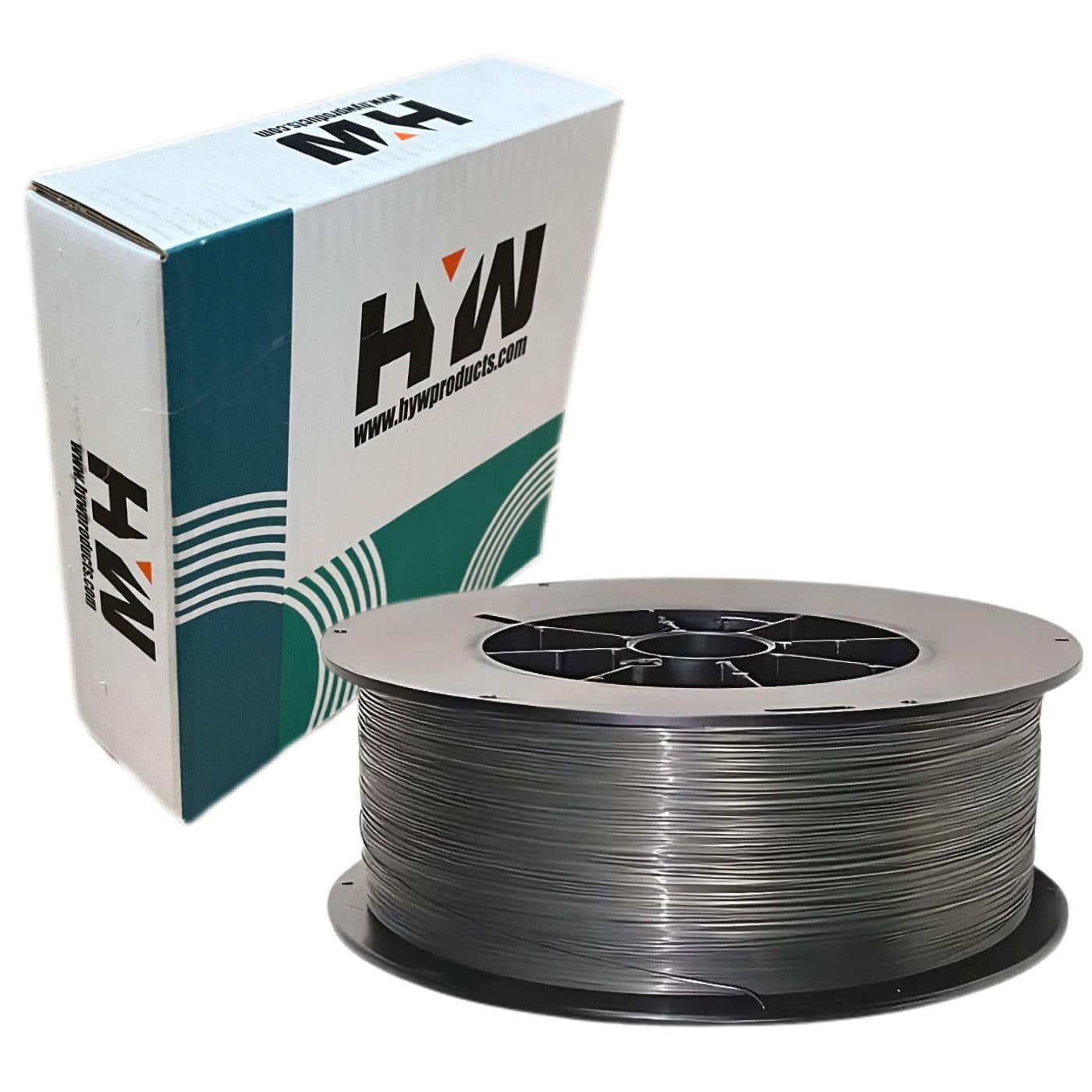
Ever had that moment when you're staring at a project – maybe it's that rusty trailer hitch that *really* needs some love, or perhaps you're finally building that heavy-duty workbench you've been dreaming about – and you just know regular MIG wire isn't going to cut it? Or worse, you're outside, the wind's whipping, and your gas bottle is giving you the side-eye, silently judging your outdoor welding ambitions?
Yeah, I've been there. More times than I care to admit, actually. You want strength, you want penetration, and frankly, you want to get the job done without hauling a small oxygen factory around with you. That, my friend, is where the unsung hero, the often misunderstood, but incredibly useful .045 Flux Cored Welding Wire, struts onto the scene.
So, What's the Big Deal with Flux Cored?
Think of it this way: traditional MIG welding uses a solid wire and a separate shielding gas (that big, often heavy cylinder) to protect the weld puddle from atmospheric contaminants. Flux cored, on the other hand, is like a tiny, self-contained party. The "flux" inside the hollow wire burns off during welding, creating its own protective gas shield and leaving behind a layer of slag that you chip off later.
It's essentially GMAW-S (Gas Metal Arc Welding – Self-shielded) or FCAW-S (Flux Cored Arc Welding – Self-shielded). No gas, no problem. It's the rebel of the welding world, often a bit messier, a bit smokier, but boy, does it get the job done, especially when circumstances aren't ideal.
And Why .045 Specifically?
That ".045" isn't just a random number, folks. It refers to the diameter of the wire – 0.045 inches, which is roughly 1.2 millimeters for our metric friends. Now, this isn't your dainty little .023 or .030 wire meant for sheet metal. Oh no. The .045 is for when you mean business.
Because it's a thicker wire, it typically requires more amperage and voltage. This translates directly into more heat, which means deeper penetration. When you need to fuse thick pieces of metal together, or when you're working on something that's less-than-pristine (think rust, paint, or general shop grime), that extra punch really shines. It's like bringing a sledgehammer to a nail fight, but in a good way.
The Good, The Gritty, and The Glorious: Advantages of .045 Flux Cored
- No Gas Bottle, No Fuss: This is probably the biggest selling point. Portability is through the roof! You can take your welder to the far reaches of your property, your neighbor's place, or out to a job site without worrying about lugging a heavy cylinder or dealing with wind blowing away your shielding gas.
- Outdoor King: Wind? What wind? Since the flux creates its own internal shield, breezy conditions don't affect your weld. Go ahead, weld that fence post in a hurricane (okay, maybe not a hurricane, but you get the idea).
- Deep Penetration: As we just talked about, this wire digs deep. Essential for structural work, heavy fabrication, and getting a strong, durable joint on thicker materials.
- Handles Imperfections: A bit of rust or paint on your metal? While you should always aim for clean metal, flux core is far more forgiving than solid wire MIG when you can't get everything perfectly prepped. It burns through contaminants pretty well.
- Higher Deposition Rates: You can lay down a lot of metal quickly with .045 flux core, which is great for filling large gaps or building up material.
The Not-So-Pretty Side: Things to Consider
Alright, let's be real. It's not all sunshine and perfect beads. Flux core, especially .045, has its quirks:
- Spatter City: Get ready for some clean-up. Flux core tends to produce more spatter than solid wire, so make sure you've got anti-spatter spray and a good chipping hammer handy.
- Slag Happens: That protective flux turns into slag, a glassy crust that you'll need to chip off your weld bead. It's part of the process, but it adds an extra step.
- Smoky Business: There's more smoke and fumes involved, so good ventilation is even more critical. Keep those fans running, or work outdoors!
- Rougher Appearance: Let's just say flux core welds aren't usually winning beauty contests. The beads tend to be rougher and less aesthetically pleasing than a perfectly laid MIG bead. But hey, it's about strength, right?
- Not for Thin Stuff: That deep penetration that's so great for thick metal? Not so great for thin sheet metal. You'll likely blow right through it unless you're incredibly skilled and using very specific settings.
When Should You Reach for That .045 Spool?
So, who's this wire for? If you're:
- Repairing farm equipment
- Building a heavy trailer
- Welding structural components
- Working on anything outdoors
- Dealing with slightly rusty or dirty metal
- Need serious penetration on thick steel
- Want maximum portability from your welder
...then the .045 Flux Cored Welding Wire is definitely a tool you want in your arsenal. It might not be the prettiest dancer at the ball, but it's the one who'll help you move mountains. Or at least, weld that stubborn, rusty gate shut once and for all. And trust me, that feeling of accomplishment, even with a little slag and spatter, is pretty sweet.