
Best Wind Turbine For Home Use
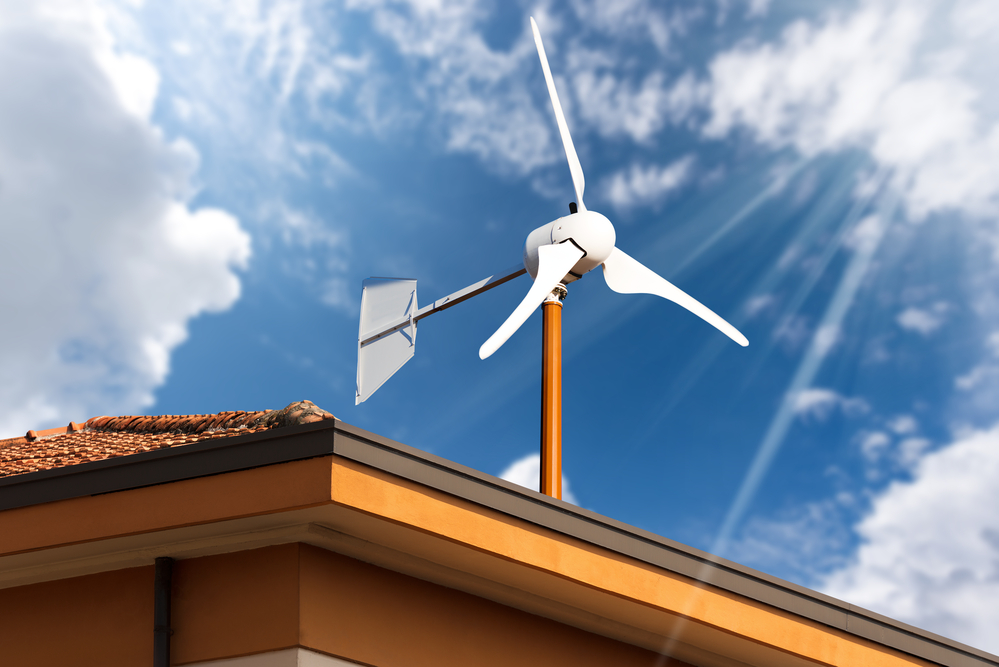
Hey there! Grab a mug, settle in. We're gonna chat about something pretty cool today: home wind turbines. Yeah, I know, it sounds a bit… futuristic, or maybe like something only folks living on a really, really windy hill in the middle of nowhere would consider. But guess what? It’s not just for them anymore!
So, you’re thinking about getting your own little personal power generator? You wanna stick it to the man (the utility company, that is)? Or maybe you just love the idea of being a bit more self-sufficient? Whatever your jam, diving into home wind power is an exciting thought. But, like, which one’s the best wind turbine for home use? That's the million-dollar question, isn't it? (Spoiler: it’s not actually a million dollars… usually.)
First Things First: Is Your Home a Wind Power Hotspot?
Before we even dream about tiny turbines spinning gracefully in your yard, let’s get real for a sec. The absolute best turbine in the world is useless if you live in a wind-free zone. It's like buying a surfboard for a desert! You need… wait for it… wind. And not just a gentle breeze that rustles your curtains. We're talking consistent, decent wind speeds. Think average 10-12 mph, ideally higher.
Must Read
So, step one is always a site assessment. Seriously, don't skip this. Are there big trees blocking the wind? Tall buildings? Your super-tall neighbor's even taller gnome collection? All these things matter. Get a professional assessment, or at least use some online tools to check your local wind maps. Otherwise, you're just buying a really expensive, stationary lawn ornament. No fun.
HAWT vs. VAWT: The Great Debate (Sort Of)
Okay, assuming you've got some decent gusts, let's talk types. There are two main flavors, and you've probably seen both, even if you didn't know their fancy names:

Horizontal Axis Wind Turbines (HAWTs): These are the classic "windmills" you picture. Blades spinning around a horizontal shaft, usually up on a tower. They're generally more efficient at capturing wind energy, especially at higher speeds. Think power! But they can also be louder, need more clear space (hello, big turning blades!), and point themselves into the wind, which is cool but sometimes noisy.
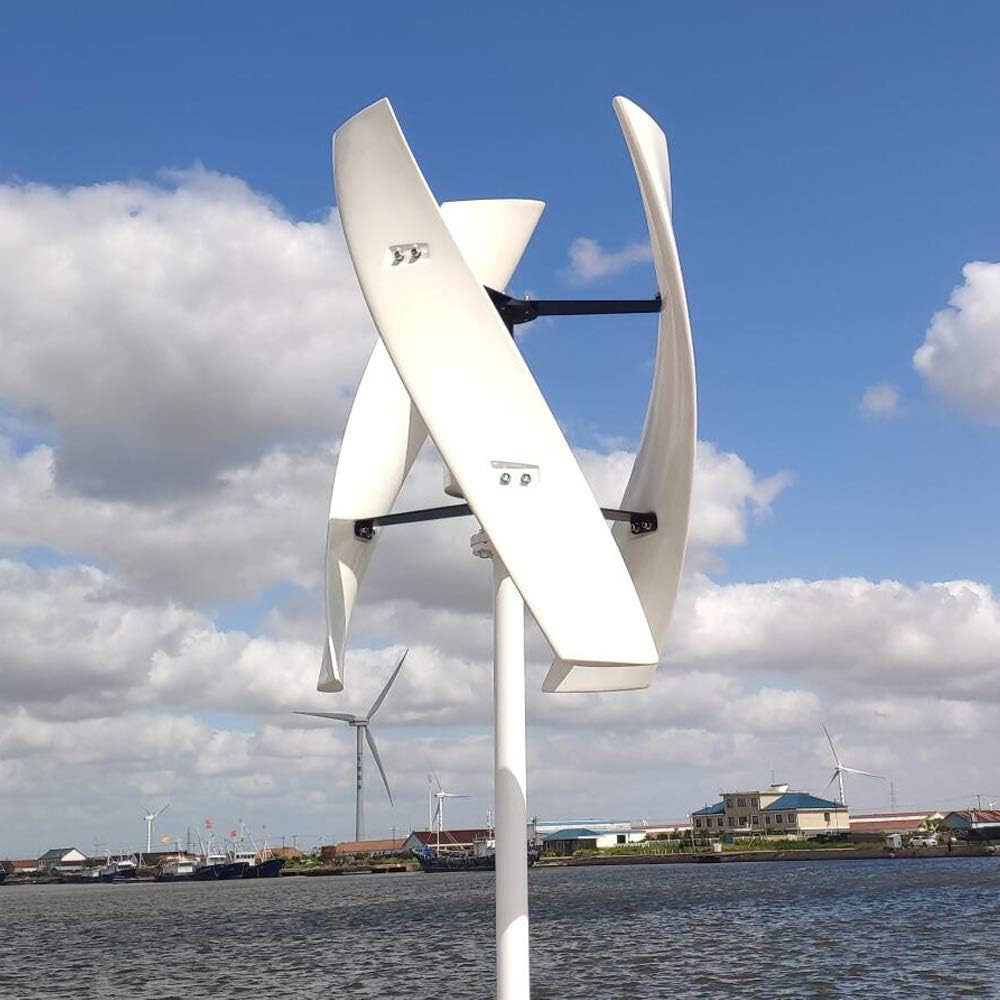
Vertical Axis Wind Turbines (VAWTs): These guys look a bit different. Think eggbeaters, or sometimes they're cylindrical. They spin around a vertical shaft, so they don't need to orient themselves into the wind, which is a big plus for gusty or turbulent areas. They’re often quieter, can be installed closer to the ground, and look, dare I say, a bit more modern or "sci-fi." They might be a smidge less efficient than HAWTs at peak, but for many suburban or urban settings, they're often the more practical choice.
So, which is "best"? It really depends on your specific wind profile and noise tolerance. See? Told you it's not a one-size-fits-all answer!

What to Really Look For (Beyond Just "Spinny Thing")
Alright, you've got wind, you know your HAWTs from your VAWTs. Now, let’s dig into the nitty-gritty when picking your champion turbine:
Power Output (Watts, Watts, Watts!): How much juice do you actually need? Are you just looking to offset a tiny bit of your bill, or do you want to power a small cabin? Small home turbines usually range from 400W to 10kW. Be realistic! A 1kW turbine isn't going to power your entire mansion, but it could make a significant dent for smaller loads. Don't fall for marketing hype; look at rated power at a specified wind speed.
Noise Level: This is a biggie, especially if you have neighbors who enjoy the sound of… well, not a whirring turbine. VAWTs generally win here. Check the decibel rating. A quiet turbine keeps the peace (and avoids angry glares over the fence).

Durability & Materials: This thing is going to sit outside, in all sorts of weather. You want something built like a tank, not a toy. Look for robust construction, marine-grade aluminum, or other weather-resistant materials. Blades made of strong, lightweight composites are good.
Ease of Installation & Maintenance: Are you a DIY wizard, or are you gonna call a pro? Some smaller turbines are designed for easier homeowner installation, while larger ones absolutely require certified installers. And turbines need occasional check-ups! How easy is it to maintain?
Cost (The Big One): Turbines aren't cheap. The turbine itself might be anywhere from a few hundred bucks to several thousand. But don't forget the total installed cost – that includes the tower, inverter, batteries (if you're going off-grid), wiring, and installation labor. Get a few quotes, weigh the upfront cost against potential energy savings, and look for grants or incentives!
Permits & Regulations: This is the un-fun but super important part. Local zoning laws, HOA rules, building permits… there’s a labyrinth of paperwork to navigate. Don't just slap a turbine up and hope for the best. Check with your local authorities before you buy anything!
The Verdict: There's No "One Best," Only "Best For You!"
See? It's not about finding one mythical, perfect turbine that works for everyone. The best wind turbine for your home use is the one that perfectly matches your specific wind conditions, energy needs, budget, local regulations, and noise tolerance. It’s a bit of a puzzle, but a super rewarding one when you get it right!
So, do your homework, get a site assessment, think about your priorities, and don't be afraid to ask questions. Going green feels pretty good, and harnessing your own wind power? That's just plain awesome. Now, about that second cup of coffee...?