
Best Welder For Stainless Steel
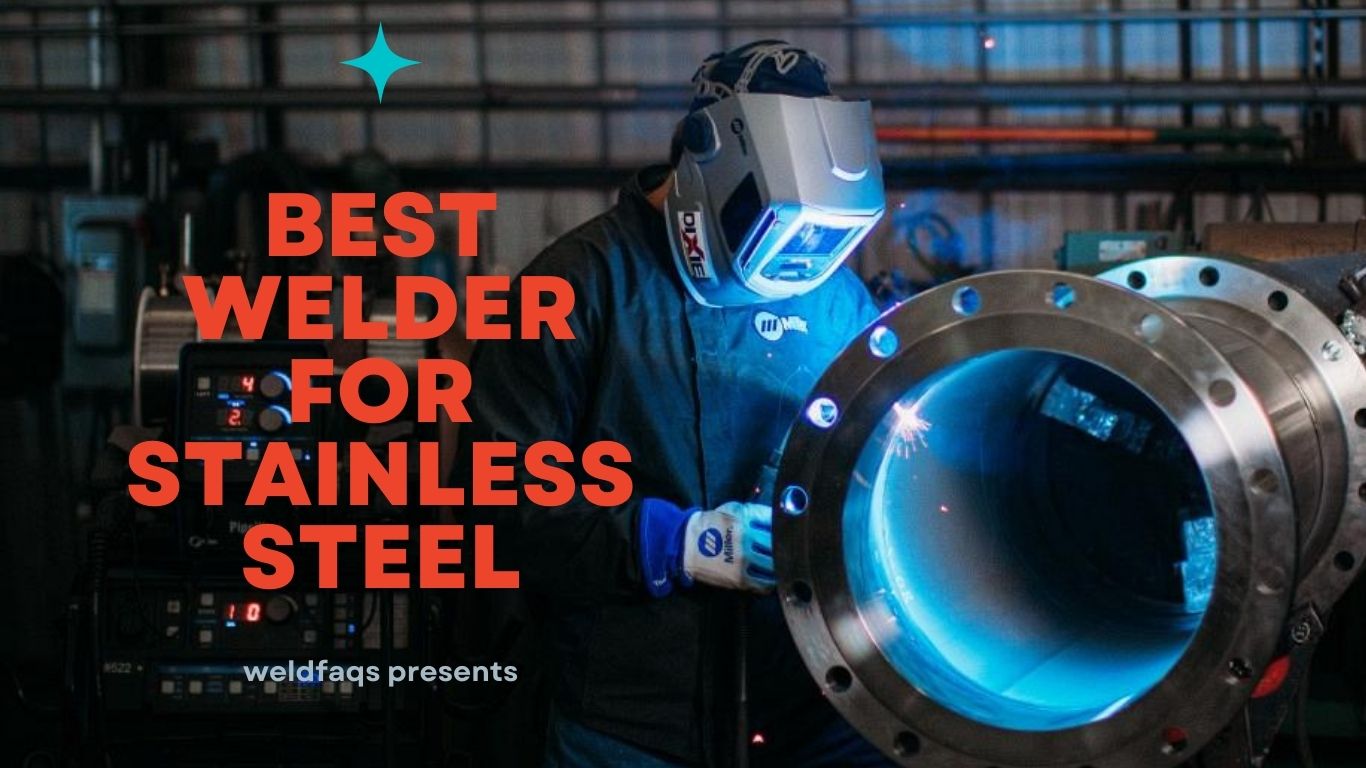
Hey there, fellow metal enthusiast! Ever stared at a shiny piece of stainless steel and thought, "Man, I wanna weld that... beautifully?" You're in good company! Welding stainless isn't like welding mild steel – it's more like trying to impress a fancy chef; it requires a bit more finesse, the right tools, and maybe a dash of culinary (or rather, metallurgical) artistry.
So, you're on the hunt for the best welder for stainless steel? Well, let's grab a virtual coffee and chat. Spoiler alert: there's no single "magic wand" that's perfect for every single scenario. But we can certainly talk about the heavy hitters that'll make your stainless projects sing!
Why Stainless Steel Is a Bit of a Diva (But Worth It!)
Before we dive into the welders, let's quickly understand why stainless steel needs special treatment. It's beautiful, corrosion-resistant, and strong, but it's also a bit sensitive. It doesn't like too much heat, tends to warp (we call that "distortion," fancy, right?), and needs to stay super clean. Think of it as that high-maintenance friend who's always worth the effort for their sparkling personality. You need to keep things tidy and controlled to get those gorgeous, strong welds.
Must Read
The Contenders: Who's Best for the Stainless Job?
When it comes to welding stainless steel, three main processes step into the ring. Each has its strengths, weaknesses, and a unique personality!
1. TIG Welding (GTAW): The Precision Artist
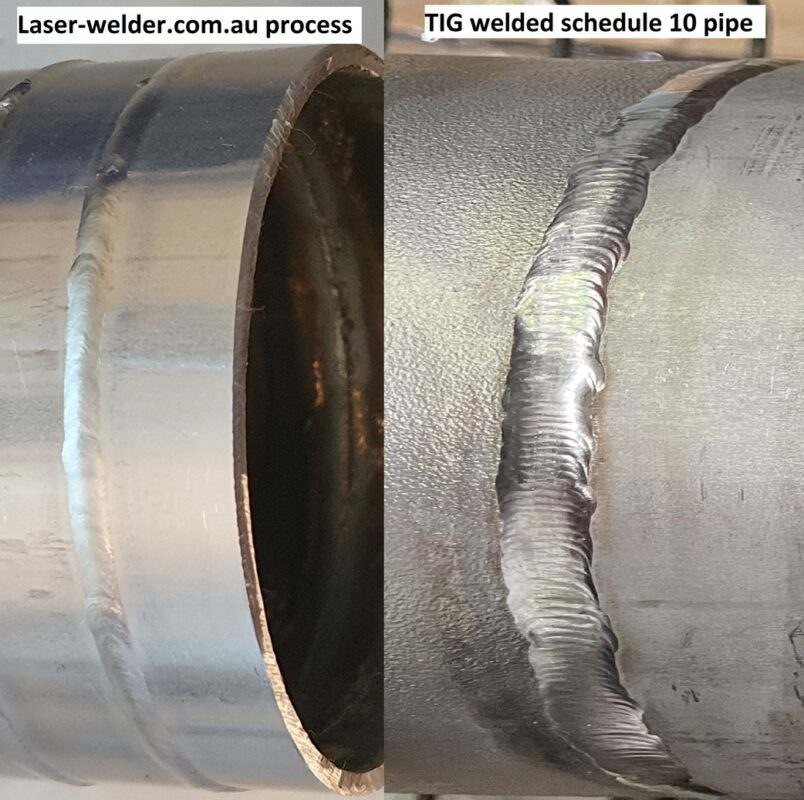
If you're after perfection, TIG (Tungsten Inert Gas) welding is your knight in shining armor. It's widely considered the gold standard for stainless steel, especially for thin gauges or when aesthetics are paramount. TIG produces incredibly clean, precise, and beautiful welds with no spatter. It uses a non-consumable tungsten electrode and a separate filler rod, all bathed in a protective shield of pure argon gas.

The catch? It has a steeper learning curve than other methods. It's like learning to pat your head, rub your tummy, and juggle flaming torches simultaneously. But oh, the results! If you're doing food-grade equipment, custom exhausts, or anything that needs to look absolutely stunning, a good TIG welder (often AC/DC capable, though you'll use DC for stainless) is your best buddy. Look for features like pulsing for better heat control on thin material!
2. MIG Welding (GMAW): The Speedy Workhorse
Need to get things done quickly and still get strong, good-looking welds? MIG (Metal Inert Gas) welding is your guy. It's generally easier to learn than TIG and much faster, making it a fantastic choice for fabrication shops or larger projects where speed is key. You'll be using a continuous wire feed (stainless steel wire, of course!) and a specific shielding gas, usually a tri-mix of argon, helium, and CO2, or sometimes just an argon/CO2 blend.
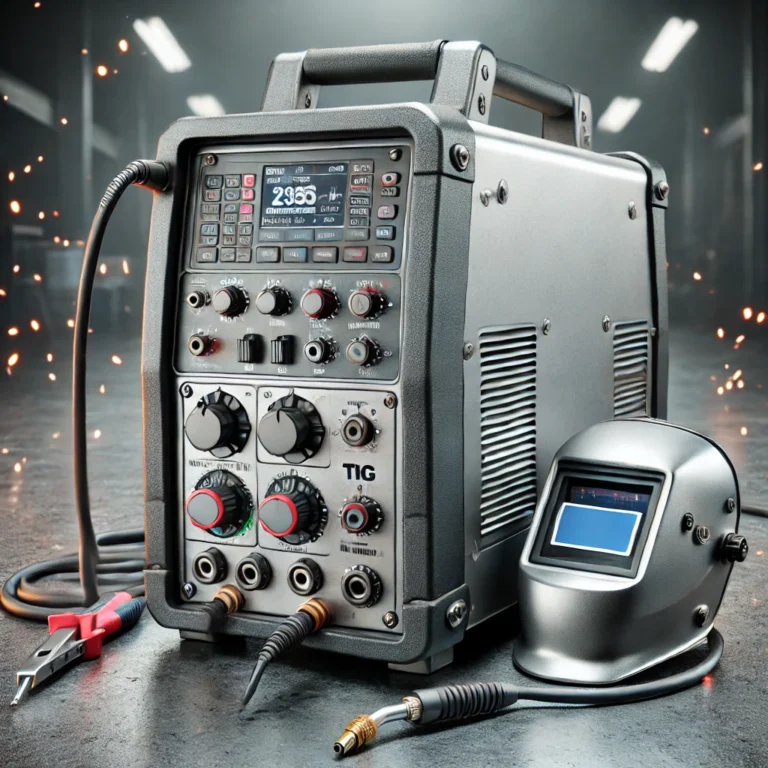
While you might not get the same surgical precision as TIG, a well-set-up MIG welder with the right gas and wire can produce excellent results on stainless steel. It’s perfect for everything from railings and tables to structural components. Just remember, cleanliness is still next to godliness!
3. Stick Welding (SMAW): The Rugged Old-Timer
Believe it or not, you can stick weld stainless steel! It's less common for delicate, thin work or when looks are everything, but for thicker materials or outdoor repairs where conditions aren't ideal, a stick welder (with the right stainless steel electrodes!) can absolutely get the job done.

The electrodes themselves contain the flux to protect the weld, so you don't need a separate gas bottle – which is super handy for portability. It's definitely more challenging to achieve those smooth, spatter-free welds you get with TIG or even MIG, but for robustness and simplicity, stick welding holds its own. Think heavy-duty repairs on farm equipment or anything that needs to withstand a beating!
What to Look For in Your Stainless Steel Champion
Beyond the process, here are a few things to keep in mind:
- Amperage Range: Make sure it can handle the thickness of stainless you plan to weld. More amps = thicker material.
- Duty Cycle: This tells you how long the welder can run continuously before needing a break. For example, 60% at 100 amps means it can weld for 6 minutes out of every 10 at that power setting.
- Portability: Will you be moving it around a lot, or will it live in your shop?
- Budget: Of course! Good tools are an investment, but there are fantastic options at various price points.
The Big Reveal: So, What's "The Best"?
Here's the delightful truth: the best welder for stainless steel is the one that best suits your projects and your skill level!
- For ultimate precision, beauty, and thin material, a TIG welder (especially one with pulsing) is your superstar.
- For a great balance of speed, ease of use, and strong welds on a variety of thicknesses, a good MIG welder (with the correct gas and wire) is a fantastic choice.
- For thick material, ruggedness, and outdoor work, a reliable stick welder with stainless electrodes can be surprisingly effective.
No matter which path you choose, remember that welding stainless steel is an incredibly rewarding skill. It opens up a world of sleek, shiny, and durable creations. Don't be afraid to experiment, practice, and maybe even make a few ugly welds before you start laying down those perfect "stacked dimes."
So go forth, brave welder! Embrace the shine, master the heat, and remember, every beautiful weld started with a spark and a smile. You've got this! Now go make something awesome!