
Best Way To Transport A Flat Screen Tv

Moving a flat screen TV can feel like a high-stakes puzzle! You want to keep your beloved entertainment portal safe and sound. After all, it's where you catch all your favorite shows and epic movie nights.
Protecting your TV during a move isn't just practical; it's about safeguarding countless future hours of joy. Let's make sure your big screen arrives ready for its next blockbuster performance.
The Golden Rule: Keep It Upright!
This is perhaps the most critical piece of advice. Think of your flat screen TV like a giant glass sandwich. It's designed to stand vertically, not lie flat.
Must Read
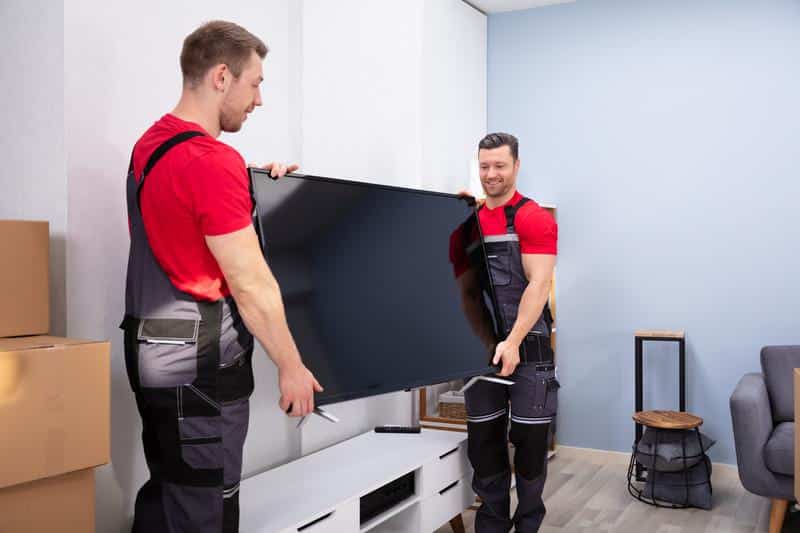
Always transport your flat screen TV in an upright position.
When a flat screen TV lies flat, its weight isn't distributed correctly. This puts immense pressure on the delicate screen and internal components, especially if you hit a bump. Imagine the screen flexing and stressing with every jolt!
Keeping it upright prevents this unwanted stress. It's like how you'd carry a large pane of glass – vertically, to maintain its integrity.
The Original Box: Your TV's Best Friend
If you still have the original box, you're already halfway to a successful move! Manufacturers design these boxes specifically for your TV's shape and size.
They come with custom-fit foam inserts that cradle your TV perfectly. These inserts absorb shocks and prevent shifting during transit. It's like a custom-made suit of armor for your electronic buddy.
How to Use the Original Box
Carefully slide your TV back into its original foam protectors. Ensure all the pieces fit snugly around the edges and corners. This padding is super important.
Then, gently lower the TV into the box. Make sure it faces the correct direction, usually indicated by arrows on the box. Close it up securely with strong packing tape.
No Original Box? No Problem! DIY Protection
Don't fret if the original box is long gone. We can create a safe, custom cocoon for your TV using readily available materials. It just takes a little extra care and creativity.

Step 1: The Screen Shield
Your TV screen is the most vulnerable part. It's a delicate surface, prone to scratches and impact damage. We need to give it a soft, protective hug.
Start by covering the entire screen with a soft, clean moving blanket or a thick comforter. You could also use a sheet of cardboard cut to size.
Secure this padding with painter's tape or stretch wrap around the edges. Avoid pressing directly on the screen itself. The goal is a protective barrier, not a sticky mess.
Step 2: Corner and Edge Defense
The corners and edges of your TV are also susceptible to bumps and dings. These can lead to internal damage or unsightly cosmetic issues. Think of them as vulnerable spots.
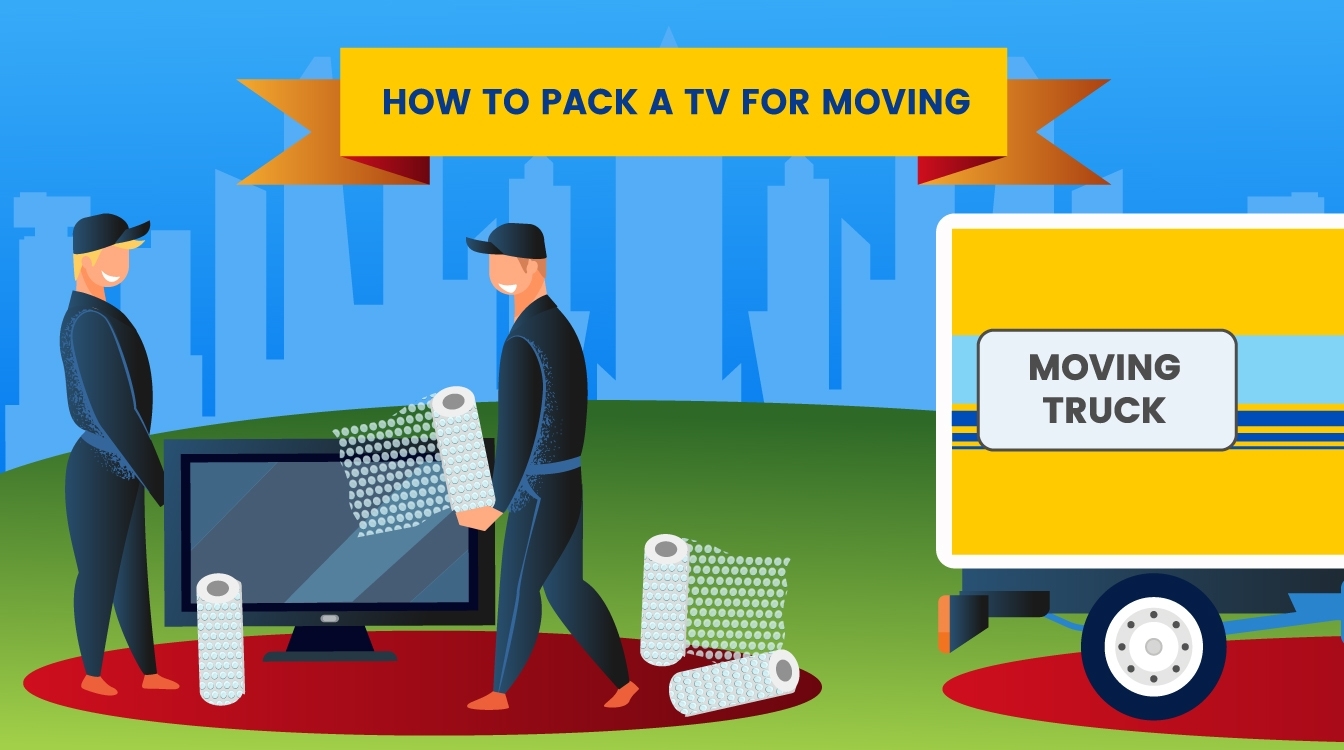
Wrap the entire TV with several layers of bubble wrap. Pay extra attention to the corners, adding extra layers there. You can buy specialized corner protectors if you want extra peace of mind.
Pro Tip: Use large bubble wrap for maximum cushioning.
After the bubble wrap, encase the whole TV in a sturdy moving blanket. Secure this with packing tape or moving shrink wrap. This creates a soft, absorbent outer layer.
Step 3: Detach and Label Accessories
Before wrapping, always remove the TV stand and any attached cables. Trying to move the TV with its stand still on is a recipe for disaster. The stand can snap or damage the screen.

Put all these pieces in a separate, clearly labeled bag. This includes the remote, power cord, and any HDMI cables. Labeling ensures you can easily set up your TV at your new place.
You'll thank yourself later when you're not hunting for the power cord!
Choosing Your Transport Box (If No Original)
Once your TV is thoroughly padded, it's time for its outer shell. You have a few options here.
Option A: The TV Moving Box
You can purchase specialized TV moving boxes from hardware stores or moving supply companies. These boxes are tall, slim, and designed for flat screens. They often come with handles, making carrying easier.
They might also include foam inserts for a more custom fit. Make sure to get one that matches your TV's size. Don't try to squeeze a big TV into a small box!
Option B: A DIY Cardboard Enclosure
If a TV box isn't available, you can create a makeshift one. Use two large, sturdy cardboard boxes cut open and taped together to form a larger, flat panel.
Wrap this around your padded TV, securing it tightly with heavy-duty packing tape. The goal is to provide a rigid outer layer that helps keep the TV flat and upright.
Loading It Up: The Final Frontier
Now that your TV is safely packed, it's time to get it into your vehicle. Remember the golden rule: upright, upright, upright!
In a Moving Truck or Van
Position the TV against a sturdy wall of the truck, like the side or the back. Never lay it flat on the floor or lean it against other items that could shift.
Use moving straps or bungee cords to secure it tightly in place. Make sure there's no room for it to wobble or tip over during transit. Fill any empty spaces around it with blankets or other soft items for extra stability.
Think of it like a precious passenger that needs a seatbelt and some cozy pillows.
In a Car or SUV
If using your car, you might need to fold down the back seats. Again, stand the TV upright, often against the back of the front seats.
Use seatbelts, bungee cords, or even ropes to secure it. Pad around it with blankets, pillows, or duffel bags to prevent any movement. If it's a tight squeeze, that's generally good, as long as you're not forcing it.
If your TV is too big for your car to be transported upright, it's time to consider a larger vehicle or professional movers. Don't risk it!
The Journey: A Smooth Ride
Once your TV is loaded, drive carefully. Avoid sudden stops, sharp turns, or bumpy roads if possible. Treat your vehicle like it's carrying a fragile, priceless antique.
Extreme temperatures can also harm electronics. Try to avoid leaving your TV in a hot car for hours or exposing it to freezing conditions for too long. Your TV prefers a moderate, comfortable environment.
Arrival and Unpacking
You've made it! Now for the delicate unveiling. When you arrive, carefully unload your TV, still keeping it upright.
Give your TV a moment to adjust to the new environment's temperature, especially if there was a big difference. Then, carefully unwrap all its protective layers.
Reattach the stand, plug it in, and power it on. Hopefully, you'll be greeted by a perfect picture, ready for your next binge-watching session.
Special Considerations
When to Call the Pros
For very large or expensive TVs, hiring professional movers is often the best choice. They have specialized equipment and experience in handling delicate electronics. They can make the process stress-free.
Insurance Matters
If you're moving valuable items, consider getting moving insurance. This provides extra peace of mind in the rare event that something goes wrong despite all your careful planning. Better safe than sorry!
Your TV's Next Big Show
Transporting a flat screen TV doesn't have to be a daunting task. With a little preparation and adherence to the golden rule of "upright," your precious portal to entertainment will arrive safely.
Imagine the joy of setting it up in your new space, knowing you've protected it every step of the way. Soon, you'll be back to enjoying crystal-clear images and immersive sound. Happy viewing!