
Best Way To Sleep With Sore Neck
Okay, so picture this: you wake up, ready to conquer the world, and BAM! Your neck feels like it’s been doing battle with a medieval trebuchet all night. We've all been there, right? That stiff, achy, "I-can't-believe-I-have-to-turn-my-whole-body-to-look-at-my-coffee" situation. It's the worst! And finding a comfortable sleeping position feels like trying to solve a Rubik's Cube blindfolded.
But fear not, my fellow neck-pain sufferers! I'm here to tell you there is hope. We're going to navigate the treacherous terrain of nighttime neck-related misery and emerge victorious. No more waking up feeling like you wrestled a particularly grumpy badger while you slept.
The Culprits Behind Your Cranky Cervical Spine
First things first: let's play detective and figure out what went wrong. Was it that impromptu breakdancing session at your cousin's wedding? Maybe you tried to juggle bowling pins while watching Netflix (don't judge, we all have our vices). Or maybe... just maybe... it was your sleeping position. Dun dun DUUUN!
Must Read
Seriously though, sleeping wrong is a major contributor to neck pain. Think about it: you're spending a good chunk of your life – ideally, at least 7-8 hours – with your neck in a fixed position. If that position is terrible, it's like forcing your neck to attend a very long, very boring, and very painful yoga class. No bueno.
Sleeping Positions: A Survival Guide
So, which sleeping positions are the heroes and which are the villains in our neck-pain drama? Let's break it down:
Back Sleeping: The Royal Treatment (When Done Right)
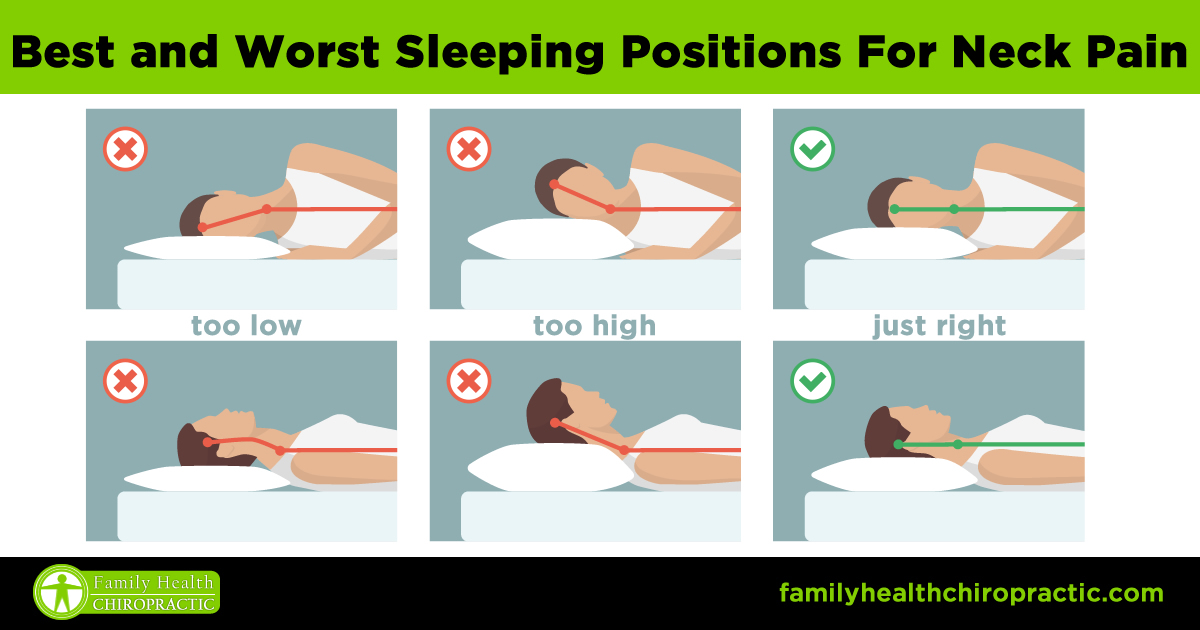
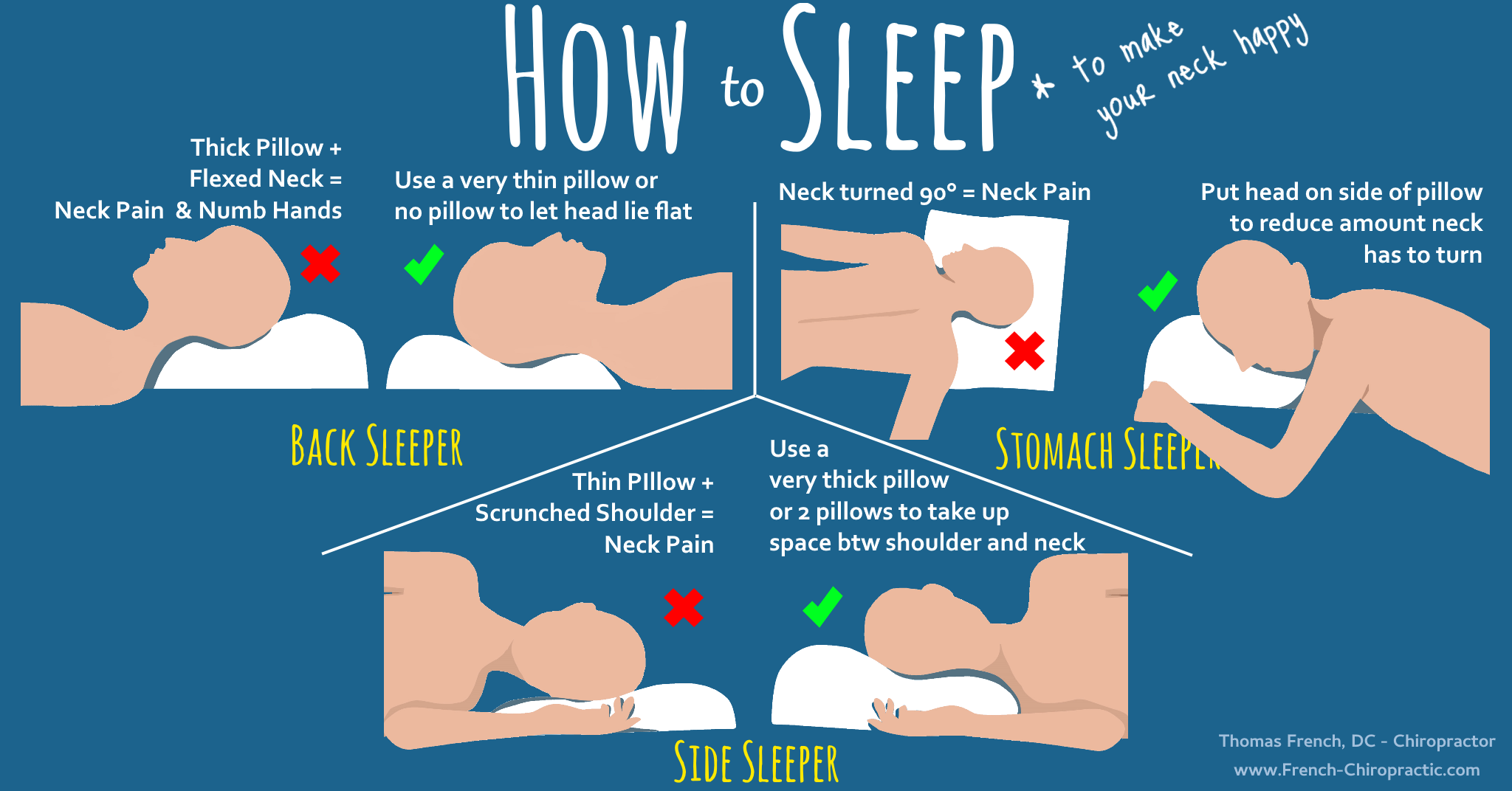
Sleeping on your back is often touted as the best position for your neck and spine. It keeps your head, neck, and spine in neutral alignment, like they're all attending a very zen meditation retreat together. But, and this is a big but, the pillow is key!

You don't want a pillow that's too thick, turning you into a giraffe trying to see over a fence. And you definitely don't want one that's too thin, making you feel like you're sleeping directly on the mattress. Goldilocks that pillow! Find one that supports the natural curve of your neck. A contoured memory foam pillow can be your new best friend. Seriously, you might even start taking it out for coffee (okay, maybe not).
And for extra credit, try placing a small rolled-up towel under your neck for added support. Think of it as a tiny, supportive hug for your cervical spine. Aww!
Side Sleeping: A Balancing Act
Side sleeping can be okay, but it's all about maintaining that neutral spine alignment. The goal is to keep your head and neck in line with your spine, like a perfectly stacked tower of pancakes. Again, pillow thickness is crucial. You need a pillow that's thick enough to fill the gap between your head and your shoulder. If your head is tilting down or up, your neck is going to complain. Loudly.

Consider using a body pillow for extra support. Hugging a body pillow can prevent you from rolling onto your stomach (more on that later) and helps keep your spine aligned. Plus, it’s like having a cuddly friend all night long! Just don't get too attached. It's just a pillow, remember?
Stomach Sleeping: The Arch-Villain of Neck Pain
Okay, deep breath. Stomach sleeping. It’s generally considered the worst position for your neck. Why? Because it forces you to crank your head to one side all night, twisting your neck into a pretzel-like position. Imagine holding that pose for 8 hours! Your neck muscles are screaming in protest just thinking about it.
If you’re a dedicated stomach sleeper, weaning yourself off this habit can be tough. Try gradually transitioning to side sleeping by using pillows to prop yourself up. You can also try wearing a backpack filled with soft pillows. Okay, maybe that's a bit extreme, but the point is to make it uncomfortable to roll onto your stomach.

Pillow Talk: Choosing the Right Support
We've talked about the importance of pillow thickness, but let's dive a little deeper into the world of pillows. There are so many options out there! Feather pillows, down pillows, memory foam pillows, buckwheat pillows... It's enough to make your head spin (which, ironically, would probably hurt your neck).
Memory foam pillows are a popular choice because they conform to the shape of your head and neck, providing customized support. Buckwheat pillows are another option, offering firm support that can be adjusted by adding or removing buckwheat hulls. Just be warned, they can be a bit noisy when you move around.
Experiment with different types of pillows to find what works best for you. Don't be afraid to try a few before committing to one. After all, you're going to be spending a lot of time with this pillow. It's basically your new roommate.
Beyond the Pillow: Other Tips for a Pain-Free Night
Choosing the right sleeping position and pillow are crucial, but there are other things you can do to soothe your achy neck:
* Stretch before bed: Gentle neck stretches can help loosen tight muscles and improve flexibility. Just don't go overboard. You're aiming for relaxation, not an Olympic gymnastics routine. * Warm compress: Applying a warm compress to your neck before bed can help relax muscles and ease pain. * Good posture during the day: Believe it or not, how you hold yourself during the day can affect your neck at night. Practice good posture while sitting and standing to prevent neck strain. Imagine you're a puppet, and someone's gently pulling you up from the crown of your head. * Listen to your body: If a certain sleeping position or pillow is causing you pain, stop using it! Your body is trying to tell you something.Ultimately, finding the best way to sleep with a sore neck is a process of trial and error. Be patient, experiment with different positions and pillows, and listen to your body. And if your neck pain persists, don't hesitate to consult a doctor or physical therapist. They can help you identify the underlying cause of your pain and develop a personalized treatment plan.
Now go forth and conquer your sleep! May your nights be filled with restful slumber and your mornings be free of neck-related misery. Sweet dreams!