Best Way To Hook Up A Generator To Your House

Ever been plunged into darkness, the silence of a power outage broken only by the mournful beep of a dying smoke detector? It’s not exactly a party, is it? But what if you could flip a switch and bring your home back to life, right in the middle of a blackout? That, my friends, is the magic of a home generator, and understanding how to hook it up correctly is where the real fun (and immense relief!) begins.
Having a generator isn't just about avoiding a soggy fridge full of spoiled food (though that's a huge plus!). It's about maintaining a sense of normalcy, comfort, and safety when the grid decides to take an unscheduled nap. Imagine keeping the lights on, your phone charged, the kids' tablets alive, and even running essential medical equipment or your HVAC system. It’s about being prepared, staying connected, and empowering yourself against Mother Nature's unpredictable whims.
Now, while the idea of connecting a powerful machine to your home's electrical system might sound daunting, there's a best way to do it that is both effective and, most importantly, safe. And it's probably not what you're imagining with a tangle of extension cords!
Must Read
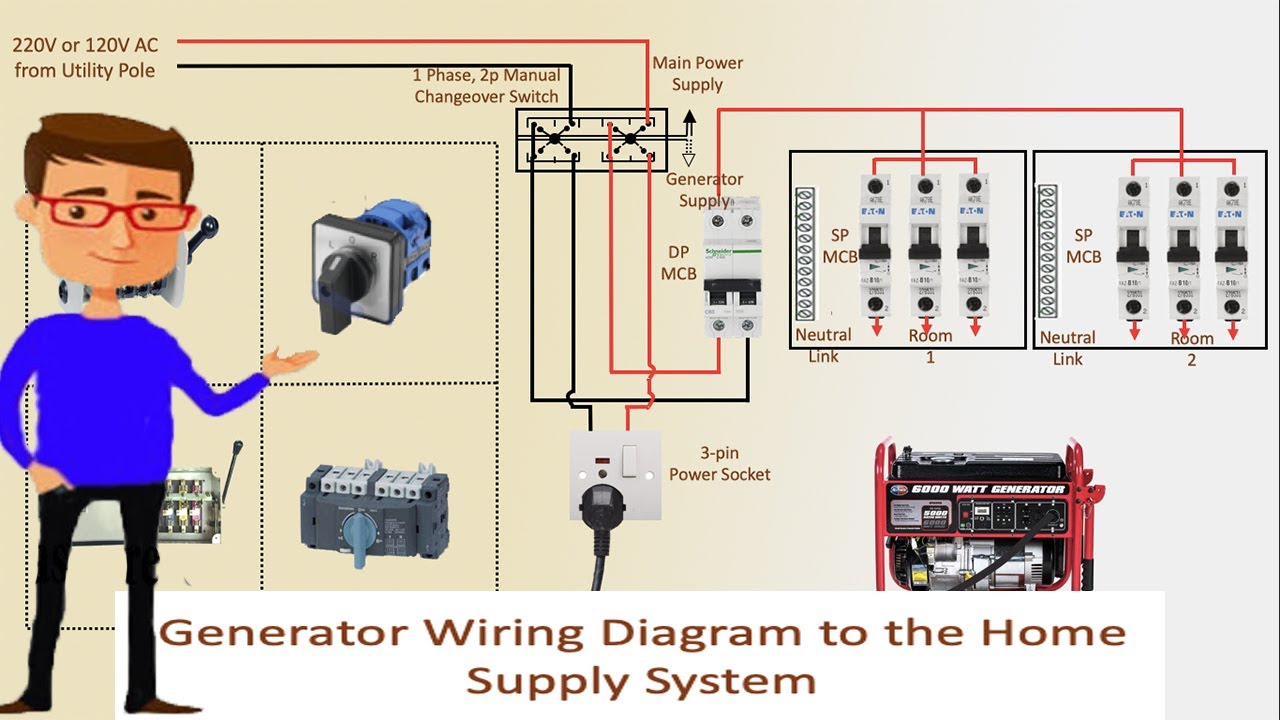
The undisputed champion for safely integrating a generator into your home is a transfer switch. Think of a transfer switch as the ultimate referee for your home's power. When the grid goes down, it allows you to safely switch your home's electrical load from the utility company's power lines to your generator's output. This is crucial because it prevents a dangerous condition known as "backfeeding."
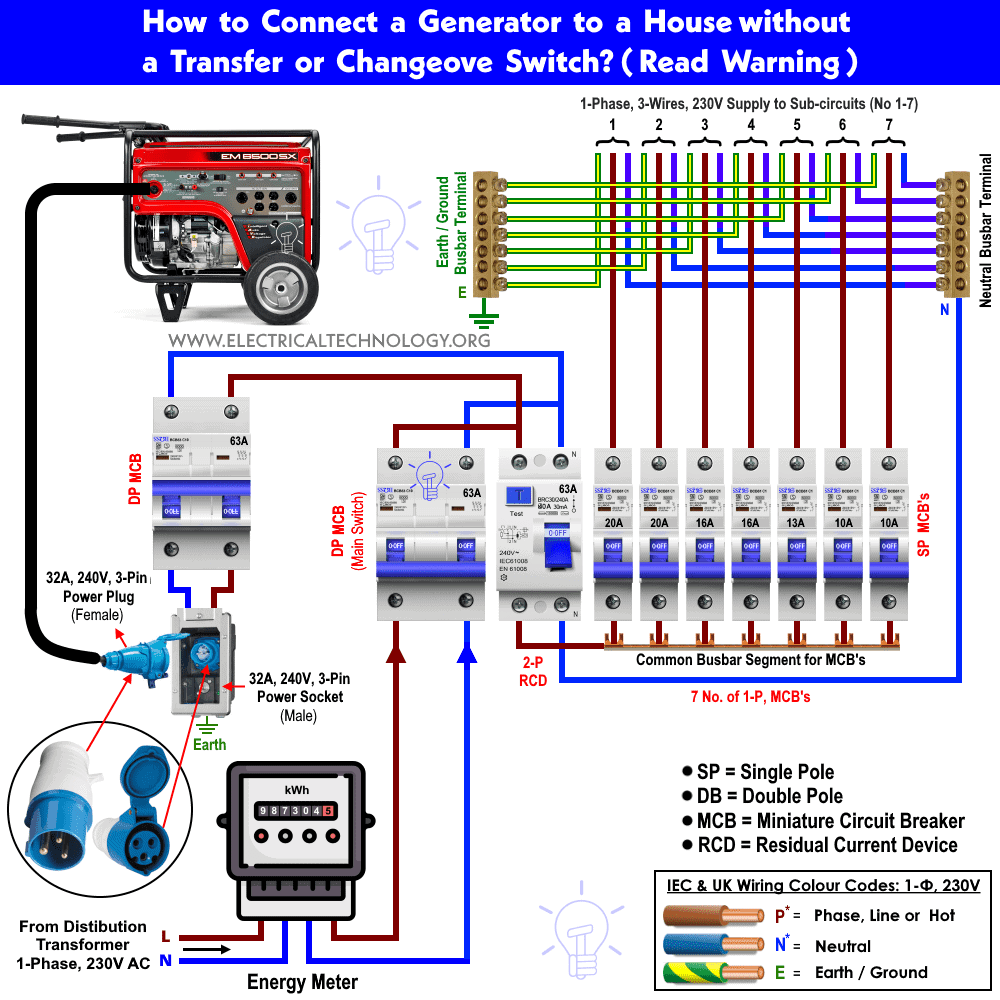
Backfeeding is when power from your generator flows back out onto the utility lines. This is incredibly dangerous, even potentially lethal, for utility workers who might be trying to restore power, as they won't know there's a live current on the lines. A transfer switch completely isolates your home from the utility grid before connecting to your generator, making backfeeding impossible. It's not just a good idea; it's often a code requirement and an absolute necessity for safety.
There are two main types: manual transfer switches, which require you to flip a lever or switch, and more convenient automatic transfer switches (common with standby generators), which sense an outage and start your generator and switch over automatically. While installing a transfer switch definitely requires the expertise of a licensed electrician (please, don't DIY this part!), once it's in, operating your generator becomes a breeze.
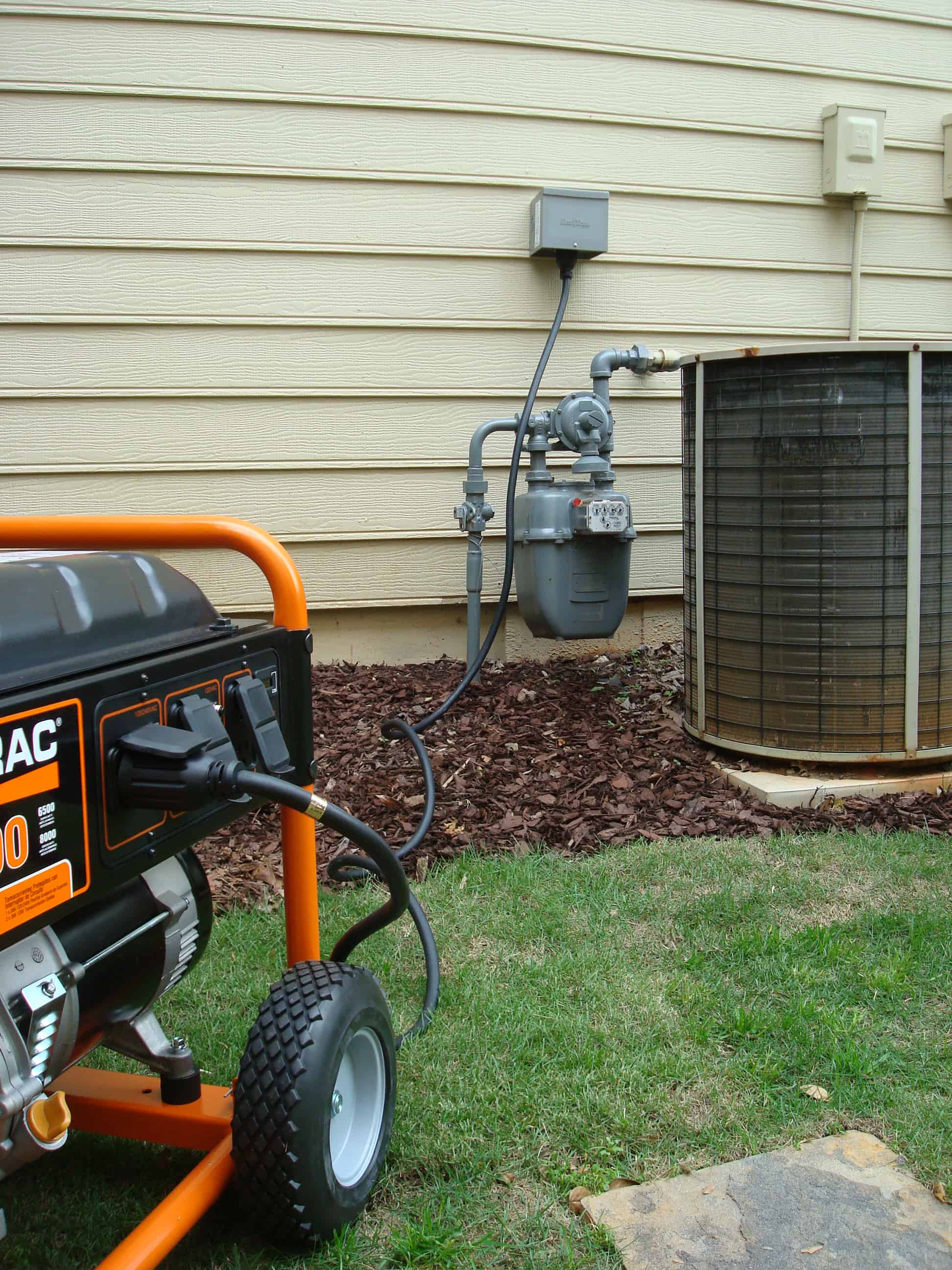
What you should never, ever do is plug your generator directly into a wall outlet in your home using a "suicide cord" (a cord with male plugs on both ends). This is incredibly dangerous and can lead to electrocution, fires, and the aforementioned backfeeding. Safety first, always!
Beyond the transfer switch, remember to always operate your generator outdoors in a well-ventilated area, far away from windows and doors, to avoid carbon monoxide poisoning. Test it regularly, and keep it fueled safely. By investing in a proper transfer switch installation, you're not just buying power; you're buying peace of mind. So, next time the lights flicker, you'll be ready to be the hero of your own home, knowing you've hooked up your generator the best and safest way possible.