Best Tungsten For Stainless Steel Tig Welding
Ever seen those mesmerizing sparks flying as a welder crafts something beautiful out of stainless steel? Chances are, they're using a process called TIG welding (Tungsten Inert Gas welding), and a crucial part of that process is the type of tungsten electrode they choose. Now, tungsten might sound like something straight out of a chemistry textbook, but understanding the basics can be surprisingly interesting and even useful in everyday life, or at least give you something impressive to talk about at your next dinner party!
So, why does the type of tungsten matter, especially when welding stainless steel? Well, the tungsten electrode is the heart of the TIG welding process. It's a non-consumable electrode, meaning it doesn't melt and become part of the weld. Instead, it provides the arc – that incredibly hot spark – that melts the stainless steel, allowing it to fuse together. The right tungsten choice significantly impacts the quality, cleanliness, and ease of the weld. Think of it like choosing the right paintbrush for a painting; some brushes are better suited for fine details, others for broad strokes. Similarly, different tungsten types are better for different welding applications.
The benefit of selecting the best tungsten for stainless steel is multi-faceted. First, it affects the arc stability. A stable arc means a smoother, more consistent weld. Second, it influences the weld's cleanliness. Some tungsten types are less prone to creating unwanted "inclusions" (impurities) in the weld. Third, it impacts the electrode's lifespan; choosing the wrong tungsten can lead to it eroding or spitting, forcing you to stop and sharpen it frequently, wasting time and resources.
Must Read
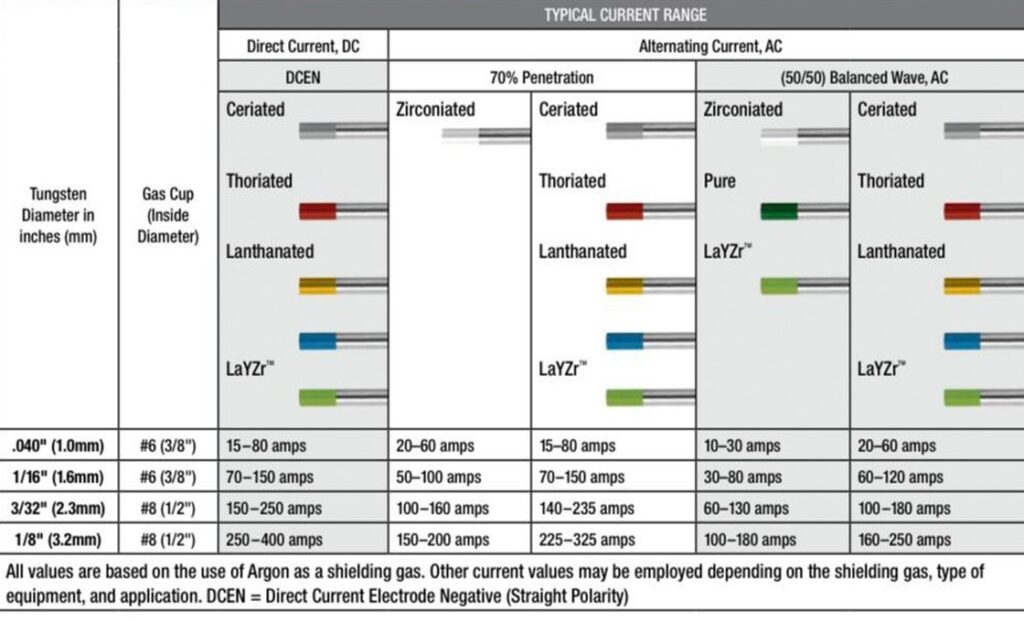
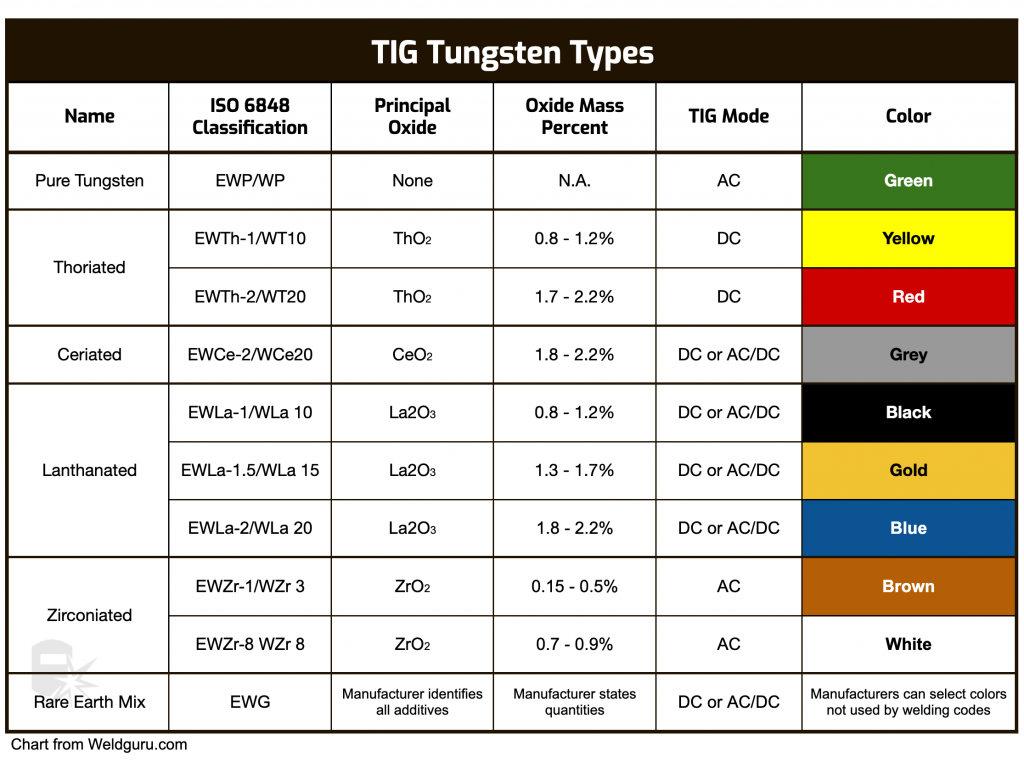
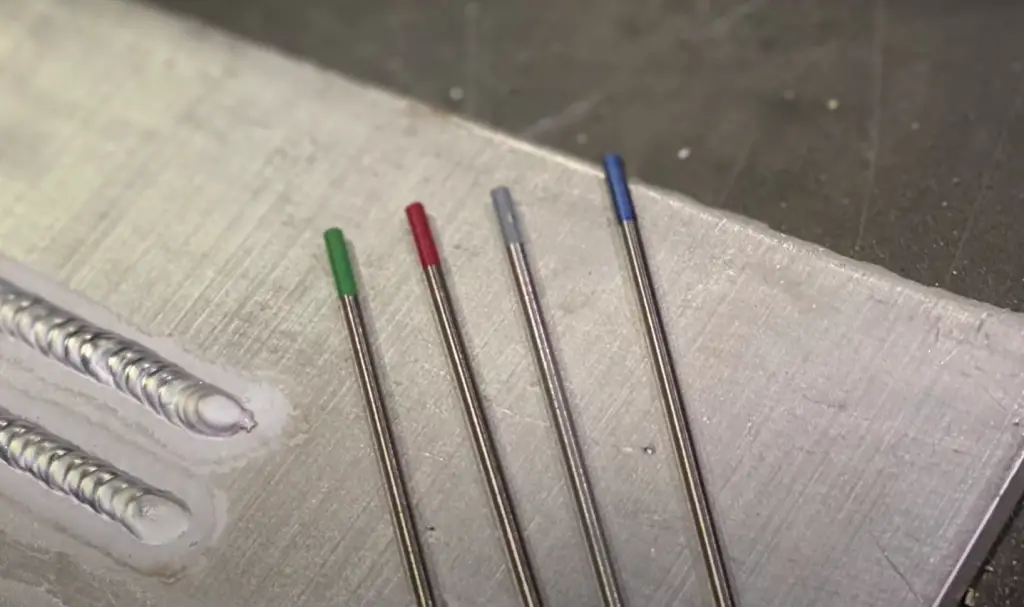
Let's look at some real-world examples. In welding education, students learn about tungsten selection early on. They're taught the differences between various types, like 2% Thoriated (though less common now due to health concerns), 2% Lanthanated, and Ceriated tungsten. They practice using each type on stainless steel test pieces to understand how they affect the arc, weld pool, and overall weld quality. In professional settings, such as stainless steel fabrication for food processing equipment or architectural metalwork, welders rely on their knowledge of tungsten types to create strong, sanitary, and aesthetically pleasing welds. Even in smaller workshops, someone building a custom stainless steel exhaust system for a car will carefully select their tungsten to ensure a robust and leak-free weld.
Want to explore this further? One simple way is to watch videos of TIG welding on YouTube. Pay attention to what the welder says about their tungsten choice and why they're using it. You might even find side-by-side comparisons of different tungsten types. Another practical tip is to visit a local welding supply store. Talk to the staff; they can provide valuable insights and recommendations based on your specific welding needs (even if you don’t own a welder!). You can also explore online forums dedicated to welding; these are treasure troves of information where experienced welders share their knowledge and tips. Remember to always prioritize safety and wear appropriate protective gear if you ever get to try TIG welding yourself! The key takeaway is that choosing the right tungsten for stainless steel TIG welding is a small detail that makes a big difference in the final result.