Best Temperature Setting For Thermostat In Winter
Ever wonder why some winter days your heating bill makes you shudder, while others feel surprisingly reasonable? It's a question that tickles the curiosity of homeowners and renters alike, because, let's face it, understanding the best thermostat setting in winter is about more than just comfort – it's about smart money management. It's like unlocking a secret level in the game of home ownership, a level where you're cozy and warm without emptying your wallet.
The purpose of finding the optimal thermostat setting is simple: to balance comfort and energy efficiency. We all crave that feeling of stepping into a warm, inviting home when the weather outside is frightful. However, cranking the thermostat up to a tropical paradise setting can lead to drastically increased energy consumption and, consequently, higher bills. The goal, then, is to discover the sweet spot – the temperature that keeps you comfortable while minimizing wasted energy.
The benefits are multifold. Firstly, there's the obvious financial gain. Lower energy consumption directly translates to lower monthly bills, leaving you with more money for other things (like that cozy winter vacation you've been dreaming about!). Secondly, it's an environmentally responsible choice. Reducing energy usage means reducing your carbon footprint, contributing to a more sustainable future. Every degree matters! Thirdly, a consistent temperature can actually improve your health. Drastic temperature fluctuations can weaken your immune system, making you more susceptible to winter colds and flu. Maintaining a relatively stable indoor temperature creates a more healthful and comfortable living environment.
Must Read
Think about it in educational terms. Schools often use programmable thermostats to automatically lower the temperature during unoccupied hours, such as nights and weekends. This saves the school district a significant amount of money on heating costs, which can then be reinvested in educational resources for the students. In daily life, you might see this principle applied in office buildings or even in your neighbor's home. Many people use smart thermostats to learn their routines and automatically adjust the temperature accordingly, ensuring comfort and efficiency.

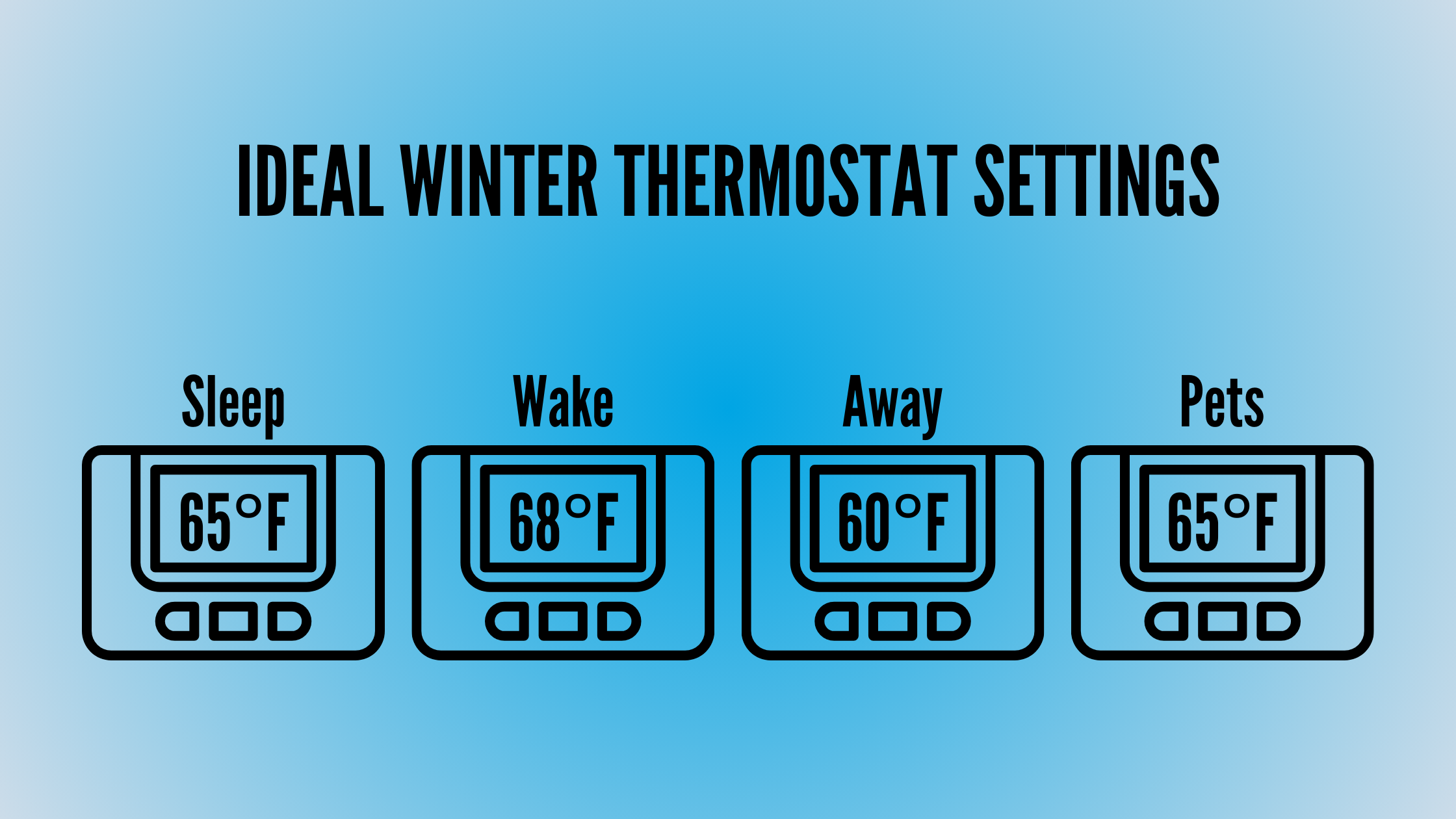
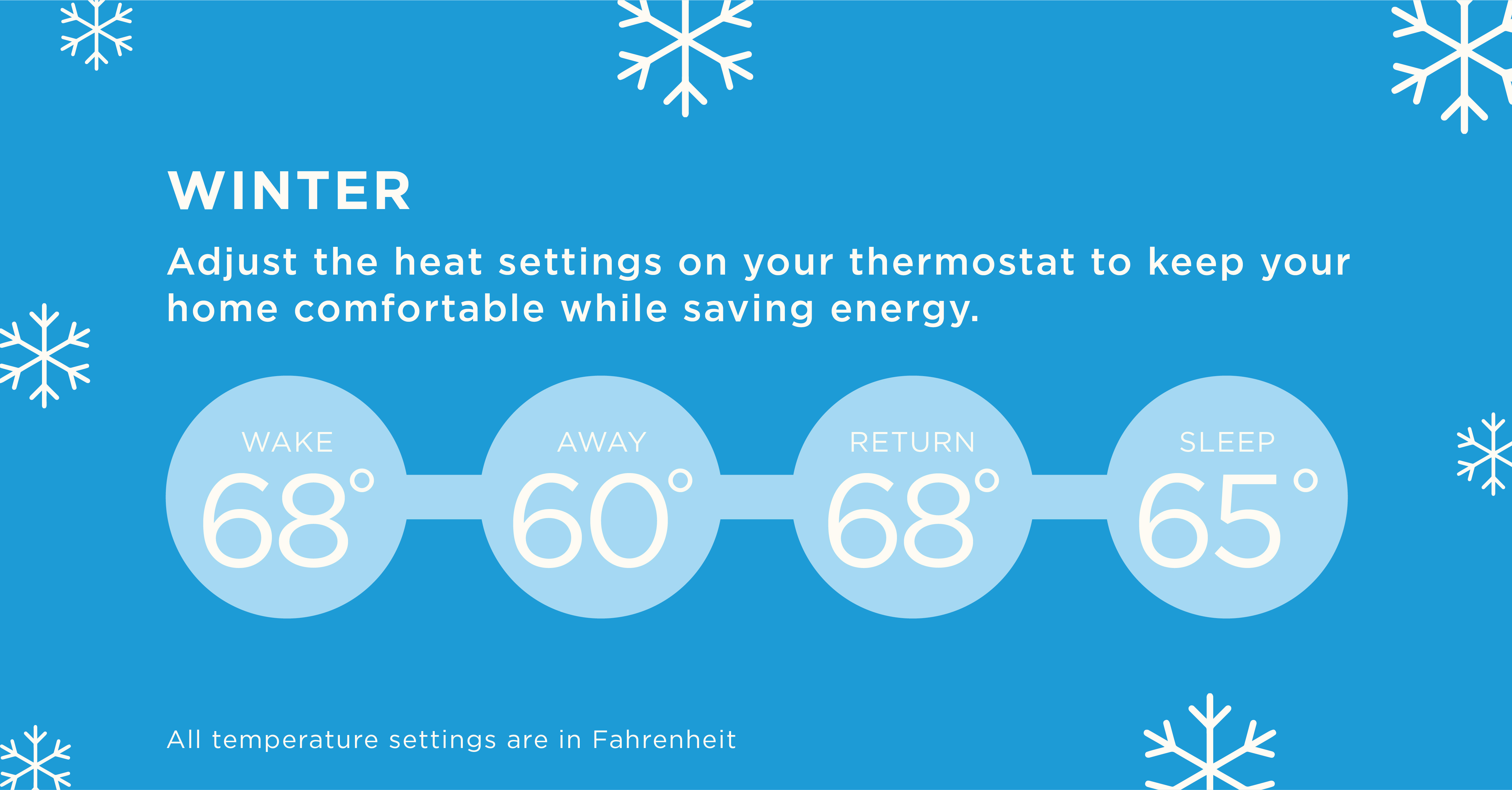
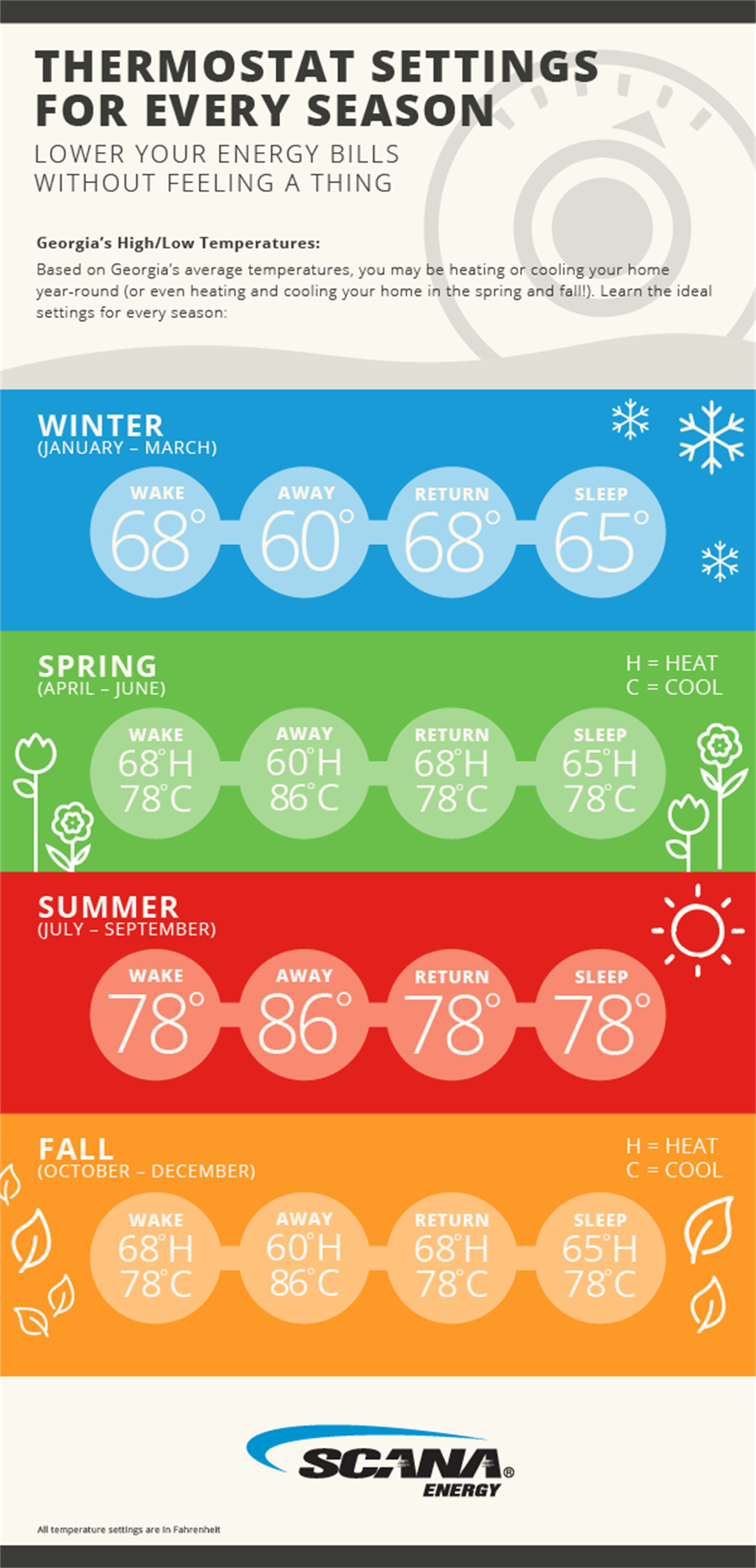
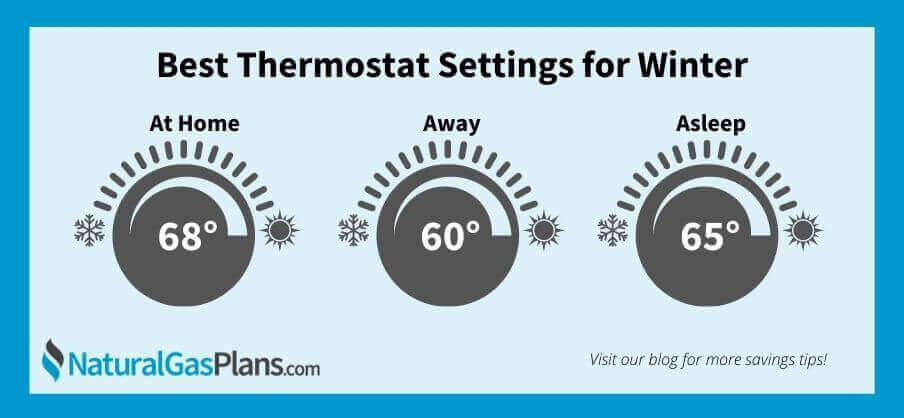
So, how do you find your own personal sweet spot? The U.S. Department of Energy recommends setting your thermostat to 68 degrees Fahrenheit while you're awake and active. While you're asleep or away from home, they suggest lowering it by 7-10 degrees. This seemingly small change can save you as much as 10% on your heating bill each year! Experiment with different settings and pay attention to how you feel. Try lowering the temperature by one degree each day until you reach a point where you feel slightly chilly, then increase it by one degree. That's likely your ideal setting.
Here are some practical tips to explore further: Invest in a programmable or smart thermostat for automated temperature adjustments. Seal any air leaks around windows and doors to prevent drafts. Use space heaters to supplement heating in specific rooms, rather than cranking up the whole-house thermostat. And finally, dress warmly! Adding a layer of clothing can make a big difference in how comfortable you feel at a slightly lower temperature. Play around, experiment, and discover the magic number that works for you and your wallet this winter!