
Best Temperature For Heater In Winter At Night
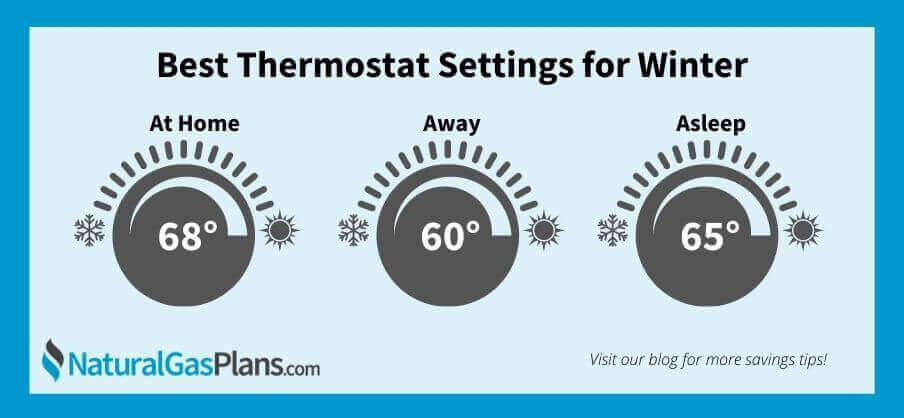
The days are getting shorter, the nights are drawing in, and that familiar nip in the air is telling us one thing: winter is coming. (Cue dramatic Game of Thrones music). And with winter comes the age-old question: what’s the perfect temperature to set your heater at night? It’s a question that can lead to domestic bliss or icy cold wars, so let's dive in and find the sweet spot.
The Goldilocks Zone: Not Too Hot, Not Too Cold
First off, there’s no single “magic number” that works for everyone. Our bodies are wonderfully (and frustratingly) unique, with varying metabolisms, sensitivities, and thermal preferences. But fear not! We can find your personal Goldilocks zone.
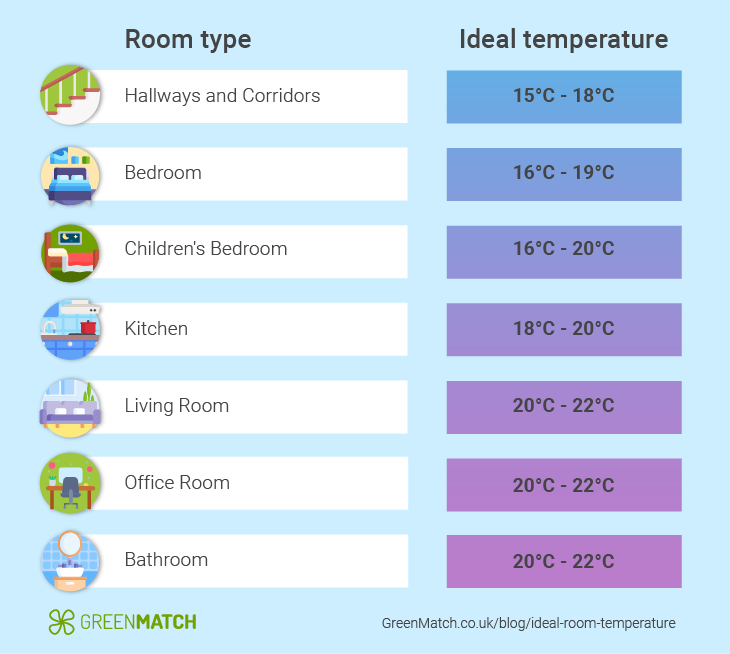
Most experts recommend a nighttime temperature between 60 and 67 degrees Fahrenheit (15.5 to 19.4 degrees Celsius) for optimal sleep. This range allows your body temperature to naturally decrease, a crucial process for falling asleep and staying asleep. Think of it like this: your internal thermostat needs to cool down to initiate “sleep mode.”
Must Read
Going too hot can disrupt this process, leading to restless nights, tossing and turning, and waking up feeling like you’ve just run a marathon (without the runner’s high, sadly).
Why the Lower Temperature? Science Explains
The science behind this recommendation is pretty fascinating. When you sleep, your body temperature naturally drops. Maintaining a cooler room temperature helps facilitate this process. Studies have shown that sleeping in a cooler environment can improve sleep quality, reduce the risk of certain metabolic diseases, and even potentially slow down the aging process (yes, please!).
Think about it – animals often seek out cool, dark places to hibernate. While we're not bears, we share the same fundamental need for a temperature drop to enter deep rest.
Practical Tips for Achieving Thermal Nirvana
Okay, so we know the ideal range. But how do you actually achieve that cozy, comfortably cool haven? Here are a few tips:
- Invest in a Programmable Thermostat: These are your best friend. Set it to automatically lower the temperature a few hours before bedtime and raise it again in the morning. No more midnight thermostat fiddling!
- Layer Up (or Down): Adjust your bedding and pajamas to suit the temperature. Flannel sheets and a thick duvet for the chilly nights, lighter cotton options when it's milder.
- Consider a Humidifier: Winter air can be incredibly dry, which can exacerbate skin issues and irritate your respiratory system. A humidifier adds moisture to the air, making the room feel warmer and more comfortable.
- Don't Forget the Drafts: Seal any drafts around windows and doors. A drafty room can feel much colder than it actually is. Think of it as stopping the cold air bandits from sneaking in!
- Experiment: Everyone's different. Spend a few nights trying different temperatures within the recommended range and see what works best for you. Keep a sleep journal to track your results.
Cultural Considerations: A Global Perspective
Interestingly, preferred sleeping temperatures vary across cultures. In some colder regions, like Scandinavia, people are accustomed to sleeping in very cool rooms, even with windows open, believing it contributes to better health. In warmer climates, lighter bedding and breathable fabrics are prioritized.
It's all about adapting to your environment and finding what allows you to sleep soundly.
The Bigger Picture: Energy Efficiency and Sustainability
Beyond personal comfort, setting your thermostat lower at night also has a positive impact on energy consumption and the environment. Lowering the temperature by just a few degrees can significantly reduce your heating bill and contribute to a smaller carbon footprint. It's a win-win!
Think of it this way: You're not just saving money; you're also helping to save the planet, one degree at a time.
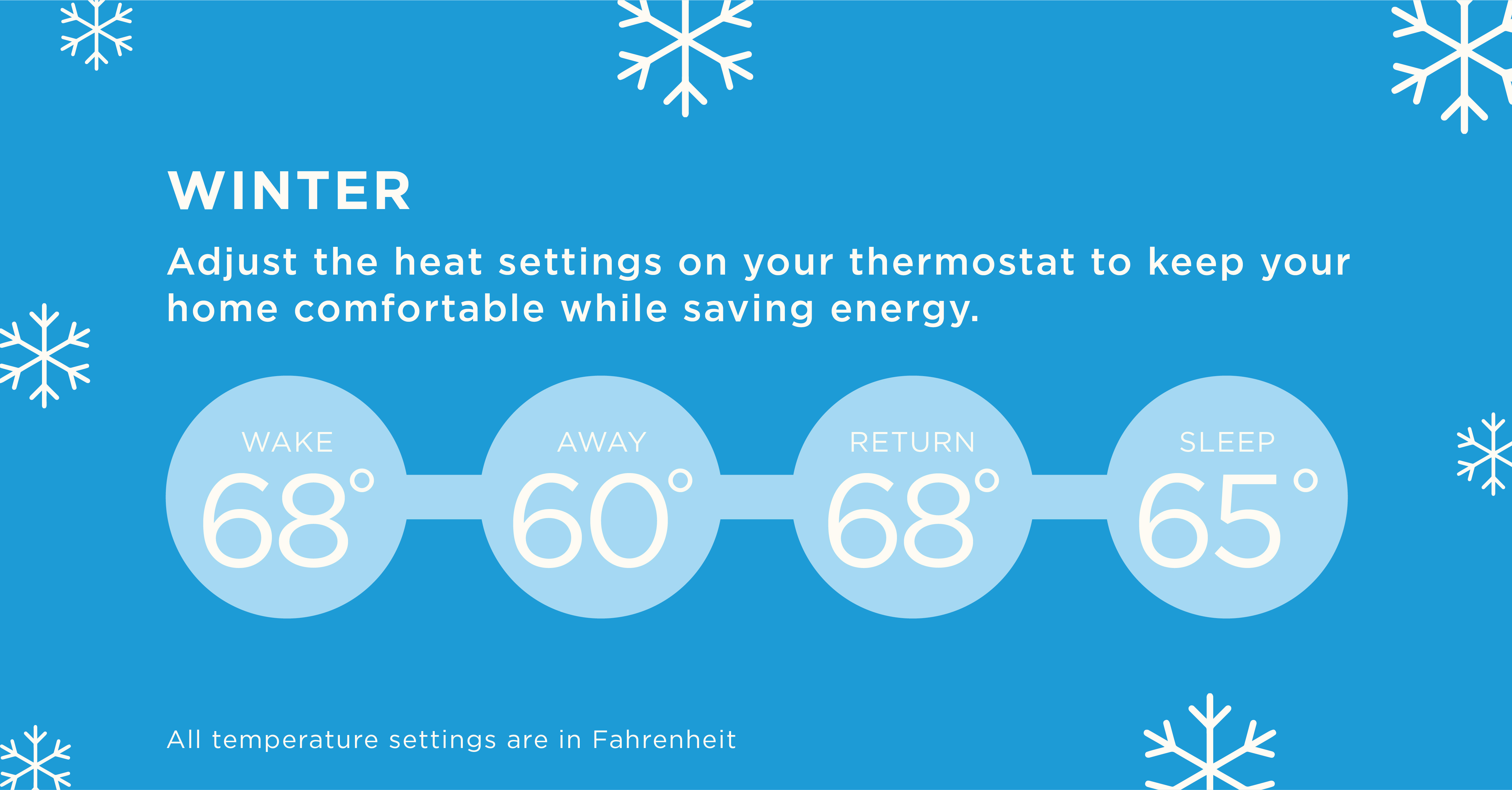
Pro Tip: Consider using a smart thermostat. These devices learn your habits and automatically adjust the temperature based on your preferences and occupancy, optimizing energy efficiency without sacrificing comfort.
In the grand scheme of things, the ideal temperature for your heater at night is a small but significant detail in creating a comfortable and healthy lifestyle. It's a reminder that paying attention to our bodies' needs and making conscious choices can have a ripple effect, improving our sleep, saving us money, and even helping the environment.
So, take a moment to consider your own nighttime temperature habits. Are you too hot? Too cold? Just right? Experiment, adjust, and find your personal Goldilocks zone for a winter filled with restful nights and revitalized mornings. And sweet dreams!