Best Temp For Home In Winter

Ah, winter. The season of twinkle lights, hot cocoa, and the eternal, unspoken (or very loudly spoken, depending on your household) debate: What is the ideal temperature inside this house?! It’s a question that has launched a thousand thermostat battles, pitting spouse against spouse, parent against teenager, and sometimes, even you against your own cold feet. Let’s be real, finding that sweet spot for your winter home temperature is like trying to find a unicorn – beautiful, mythical, and deeply personal.
The Great Thermostat Tug-of-War
You know the drill. One person walks around in a t-shirt, fanning themselves dramatically, muttering about the "sauna-like conditions." Meanwhile, someone else is huddled under a blanket, shivering visibly, convinced they're living in an igloo. It's the classic scene, isn't it? My dad, bless his heart, firmly believes that anything above 68°F (20°C) is "wasteful" and "unnecessary." My mom, on the other hand, often sports a full winter fleece indoors, gently nudging the dial upwards when he's not looking. It’s a cold war, literally!
So, is there a magical number? A universal truth? Probably not. But we can talk about what makes sense for most people, most of the time, without sacrificing a kidney to the heating bill gods.
Must Read
Daytime Delights: When You’re Up and About
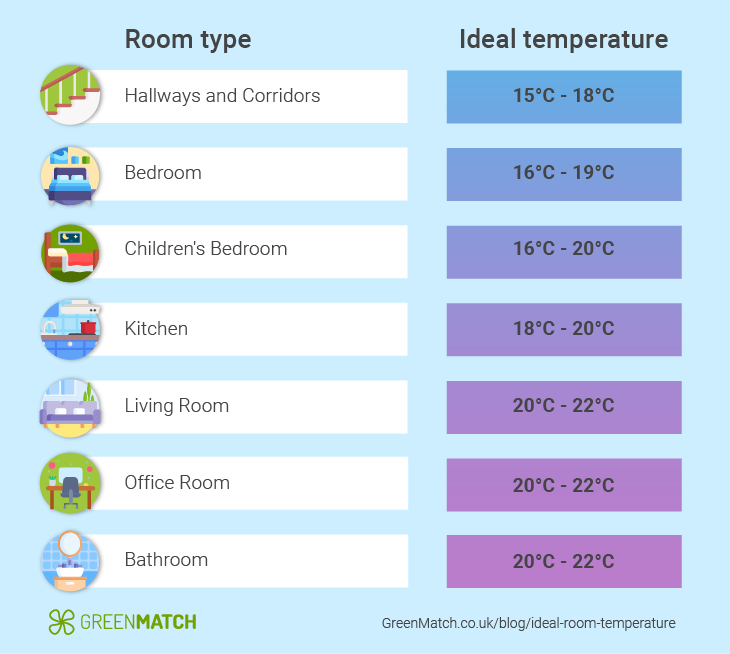
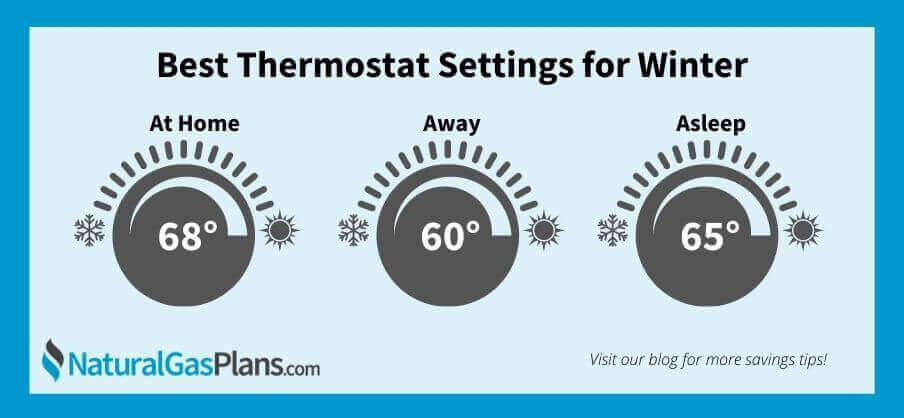
When you're awake and bustling, whether it's working from home, wrangling tiny humans, or just binging your favorite show, you generally want a temperature that feels comfortable but not stifling. Most experts, and by experts, I mean people who like their money and also not freezing, suggest something in the range of 68-72°F (20-22°C). This allows you to wear normal clothes – maybe a light sweater, but definitely not full ski gear – and move around without feeling sluggish or chilled to the bone.
Think about it: if you’re too warm, you get that fuzzy, sleepy feeling. Too cold, and your productivity tanks as you spend all your mental energy just trying to generate warmth. It’s a Goldilocks situation: not too hot, not too cold, but just right. And "just right" usually means you don't even think about the temperature. It just... is.

Nighttime Nuzzles: Sweet Dreams and Savings
This is where things often get a little different. While you're snug under your duvet, your body temperature naturally dips a bit for optimal sleep. Cranking the heat up to tropical levels at night can actually disrupt your slumber, making you restless and clammy. Plus, heating an empty house to daytime levels while you're asleep? That's just throwing money out the window, and trust me, your wallet will not thank you.
A good rule of thumb for nighttime is to drop the thermostat a few degrees. Many recommend aiming for 60-67°F (16-19°C). This might sound chilly to some, but remember, you’re bundled up! A cozy blanket or two, maybe some fluffy socks, and suddenly that slightly cooler air feels wonderfully crisp and conducive to deep sleep. Waking up feeling refreshed instead of sweaty and over-heated? Priceless.
The "Empty Nest" Setting: When No One's Home
What about when you’re out for the day, at work, or off on a weekend adventure? There’s absolutely no need to heat an empty house to a comfortable living temperature. This is where smart thermostats truly shine, but even a manual adjustment can save you a bundle. Dropping the temperature significantly – perhaps down to 55-60°F (13-16°C) – prevents your pipes from freezing (crucial!) and keeps the house from becoming a frigid zone, but it won't be actively working to maintain human-level warmth when no humans are present.
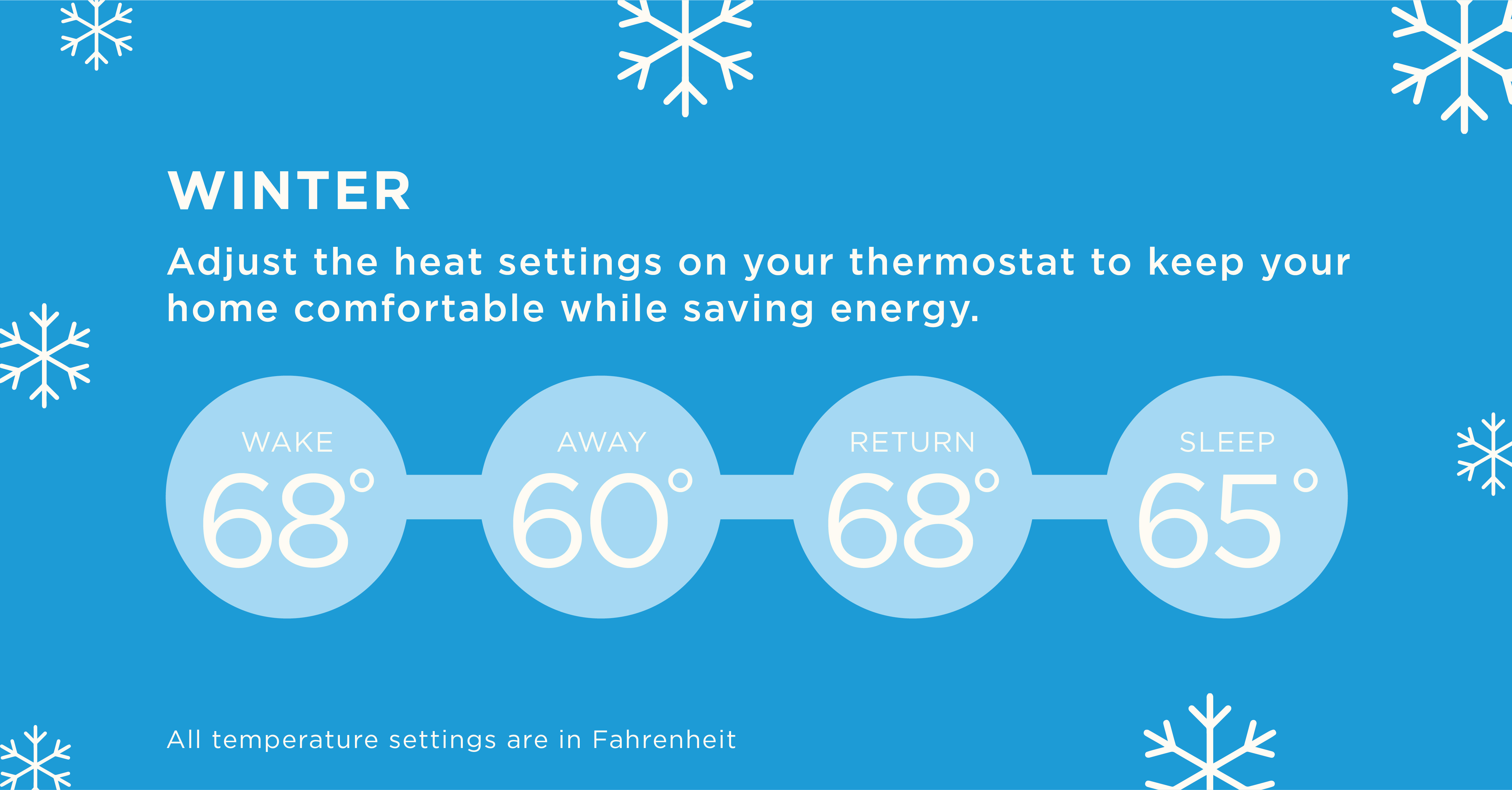
Just remember to program it, or manually set it, to start warming up an hour or two before you expect to return. Nobody wants to come home to a house that feels like the inside of a refrigerator. Unless you enjoy wearing your parka indoors, of course.
Beyond the Dial: Other Ways to Keep Cozy
While the thermostat is your main weapon in the winter warmth war, it’s not your only weapon. Think layers! A chunky knit sweater isn’t just a fashion statement; it's a personal heater. Thick socks are a game-changer. Draft stoppers under doors? Little heroes. Snuggling on the couch with a fluffy throw blanket and a warm drink? That's not just cozy; it's a lifestyle choice.
Closing curtains at night helps insulate your windows, keeping the warmth in and the chill out. Opening them on sunny days lets passive solar heat do some of the work for free. Every little bit helps, both your comfort and your energy bill.
Find Your Happy Medium
Ultimately, the "best" temperature for your home in winter is the one that makes you feel happy, cozy, and doesn't make your bank account weep openly every month. It's a delicate balance between comfort, cost, and personal preference. Don't be afraid to experiment a little, listen to your family (and your wallet), and find that perfect setting that turns your house into a warm, welcoming haven from the winter chill.
So, whether you're a 72°F devotee or a brave 65°F warrior, embrace your warmth. Just try not to start a domestic dispute over it. Unless it's really, really cold. Then all bets are off.