Best Seer Rating For Heat Pump
Ever found yourself staring at a shiny new appliance, wondering what all those numbers and acronyms really mean? When it comes to something as central to your home comfort as a heat pump, one term you'll inevitably bump into is SEER rating. And guess what? Diving into the world of SEER isn't just for HVAC geeks; it's actually pretty fun because it directly impacts your comfort and, more importantly, your wallet!
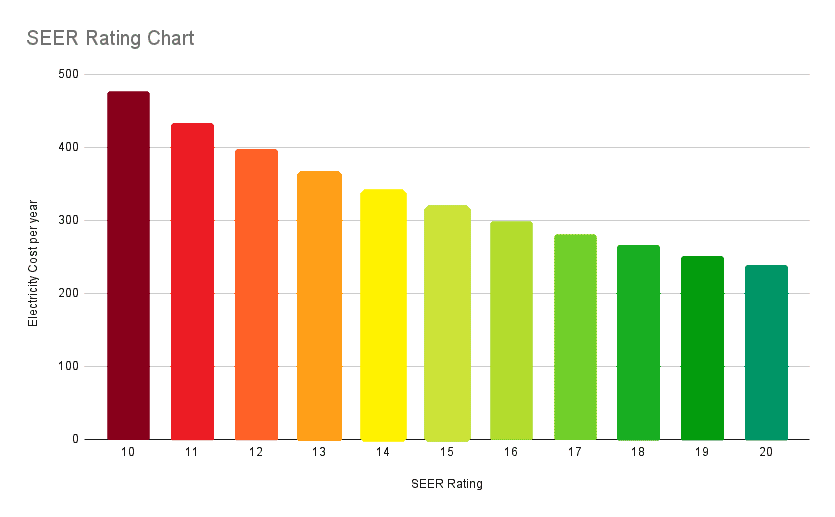
So, what's the big deal with SEER? SEER stands for Seasonal Energy Efficiency Ratio, and it's essentially a MPG (miles per gallon) rating for your heat pump. The higher the number, the more efficient your system is at cooling your home. For everyday beginners, understanding SEER means you're empowered to make a smarter purchase, knowing you're investing in a system that won't guzzle energy. For busy families, a good SEER rating translates directly into lower monthly utility bills, freeing up cash for family outings or unexpected expenses. And for the home hobbyist or anyone who loves to optimize their living space, chasing that "best" SEER rating is about achieving peak efficiency and ultimate home comfort, almost like fine-tuning a high-performance machine!
Now, what does "best" really mean? It’s not always about grabbing the absolute highest number you can find. Modern heat pumps typically range anywhere from 13 SEER (the minimum allowed by law) up to 20 SEER or even 28 SEER for some premium models. A 13-14 SEER unit is a solid, efficient choice for many, especially if you live in a milder climate. However, if you're battling scorching summers or want to maximize long-term savings, bumping up to 16, 18, or even 20+ SEER can make a noticeable difference. Think of it like this: a car that gets 25 MPG is good, but one that gets 40 MPG is fantastic if you do a lot of driving. The "best" SEER for you is a sweet spot between your initial budget, your local climate, and how long you plan to stay in your home. Remember, while SEER focuses on cooling, heat pumps also heat, and their heating efficiency is measured by HSPF (Heating Seasonal Performance Factor), which is equally important to consider!
Must Read
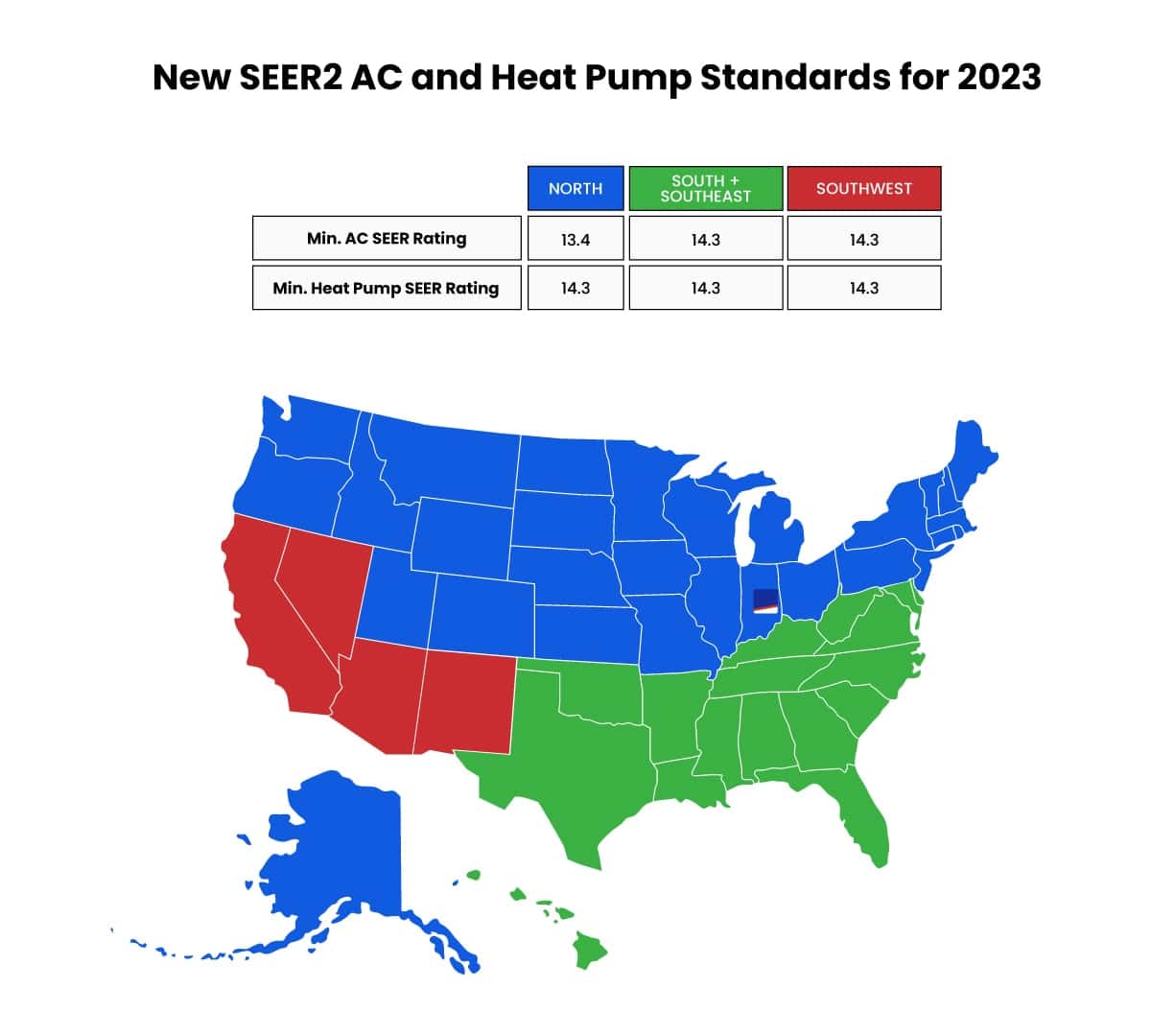
Ready to jump in? Here are some simple, practical tips to get started. First, assess your current needs: Is your existing system ancient? Do you feel hot spots or cold spots? Second, talk to a reputable HVAC professional. They can evaluate your home's specific requirements, ductwork, and insulation to recommend the ideal SEER rating for your situation. They can also explain the difference between SEER and the new SEER2 rating system. Third, don't forget to ask about rebates and incentives! Many utility companies and government programs offer financial incentives for installing high-efficiency heat pumps. Lastly, always get multiple quotes, and remember that a great installation is just as important as a great SEER rating.
Choosing the right SEER rating for your heat pump isn't just a technical decision; it's about investing in a more comfortable home and a happier bank account. It's about making an informed choice that brings daily enjoyment through consistent comfort and the satisfaction of knowing you're running an efficient household. So go ahead, embrace the SEER journey – your future self (and your wallet!) will thank you!