
Best Heating And Cooling Systems For Older Homes
So, you've got an older home? Fantastic! Character, charm, maybe a leaky roof. Just kidding (mostly)!
But seriously, heating and cooling can be a real puzzle in these grand old dames.
Let's dive into some options, shall we? Prepare for some potentially controversial opinions!
Must Read
The Usual Suspects (and Why They Might Be Terrible)
First up: Forced Air Systems. You know, the ones with ducts?
Everyone loves them, or so they say. But retrofitting ducts into an old house? Nightmare fuel.
Imagine ripping open walls, discovering asbestos, and spending a fortune. Yeah, no thanks.
The Problem with Ducts
Ducts leak. They always do. Especially in old homes with settling foundations and questionable craftsmanship.
Leaky ducts mean wasted energy. You're basically paying to heat or cool the attic and crawlspace. Thrilling!
Dusty ducts? Oh, let's not even go there. Allergies galore! Consider that a pro, if you like sneezing. I don't.
Unpopular Opinion #1: Ductwork in old houses is usually more trouble than it's worth.
Radiators: The Old Faithful (with a Few Quirks)
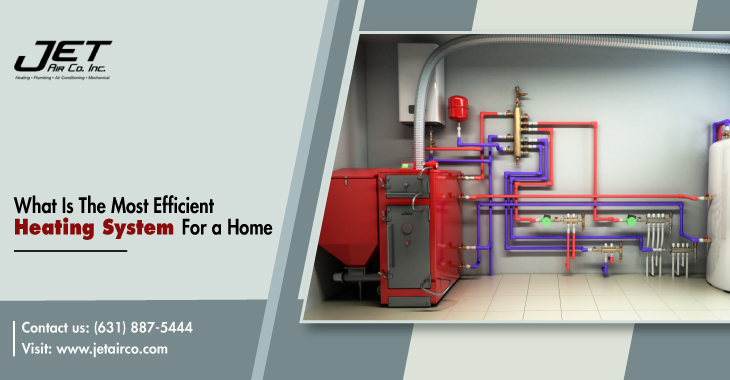
Ah, radiators. The charming, clanky, occasionally hissing dinosaurs of home heating.
They're usually fueled by a boiler, which is like a giant tea kettle for your house.

If you already have them, great! Keep them! Seriously, work with them. Don't fight them.
The Joys (and Annoyances) of Radiators
Radiators provide even, radiant heat. It's cozy and comforting, like a warm hug from your house.
But, they can be slow to heat up. And some rooms might be warmer than others. Temperature inconsistencies can occur.
Also, bleeding radiators is a thing. It's not as bad as it sounds, but it's definitely a chore. You might need to bleed it once a year.
Unpopular Opinion #2: Radiator heat is superior to forced air heat. It's gentler, less drying, and just feels… nicer.
Mini-Splits: The Modern Marvel (with Installation Hurdles)
Mini-split systems are ductless wonders. Each unit heats or cools a specific zone.
They're energy-efficient and super quiet. They’re a great option for supplementing existing heating or cooling, as well as in new additions.
Sounds perfect, right? Almost. Installation can be tricky.
Mini-Split Mania (and the Aesthetics Issue)
Mini-splits require mounting units on walls. This can be unsightly, especially in a beautifully decorated older home.
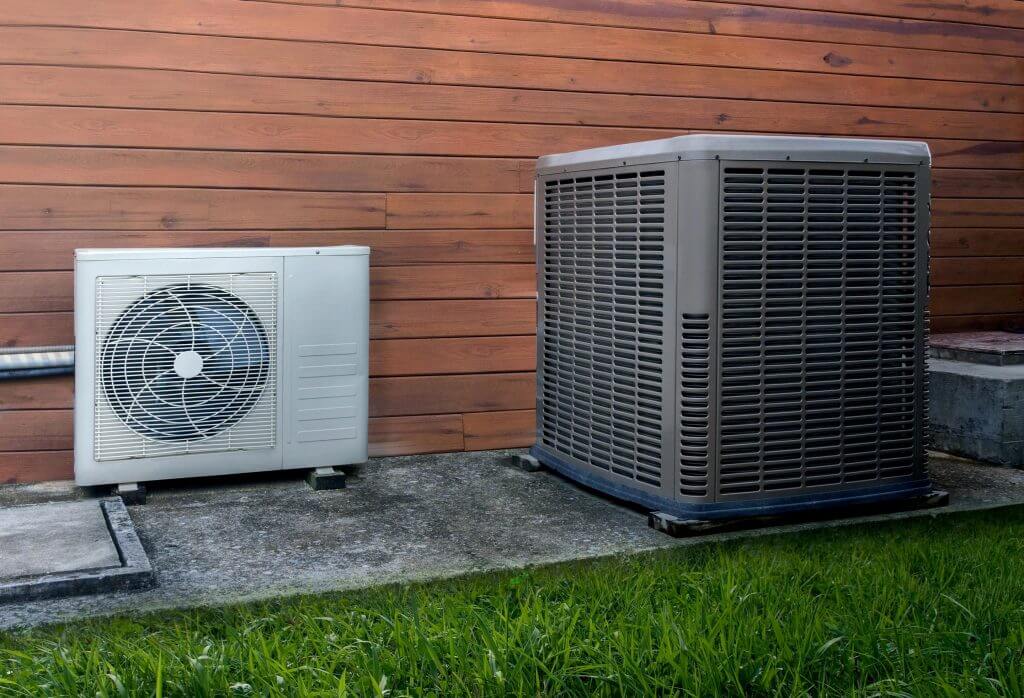
Hiding the refrigerant lines can also be a challenge. Think strategically about placement to minimize visual impact.
However, the zoning capabilities are amazing. Heat the living room, cool the bedroom – the possibilities are endless! This is great for saving on the bills.
Unpopular Opinion #3: Aesthetics shouldn't trump comfort and efficiency. A slightly visible mini-split is worth the improved temperature control.
Window Units: The Cheap and Cheerful (but Inefficient) Option
Okay, let's be honest. Window units are not ideal. But they're cheap and easy to install. That is the appeal.
Stick one in a window, plug it in, and boom – instant cool air. Or, more accurately, slightly less hot air.
They're noisy and energy-guzzling. There are better options, even for single rooms.
The Downside of Window Units
Window units block your view. They let in drafts when they're not running. And they're generally an eyesore.
They're also not very effective at heating. Think electric resistance, not efficient heat pump technology.
They're a quick fix, not a long-term solution. Save them for emergencies or very small spaces.
Unpopular Opinion #4: Window AC units are only acceptable if you’re actively saving up for a better system. Otherwise, invest in something better!
Geothermal: The Eco-Friendly (and Expensive) Dream
Geothermal systems use the earth's constant temperature to heat and cool your home. It's amazing, and it is expensive to install.
They're incredibly efficient and environmentally friendly. They are a long-term investment with great return.
But the initial cost is steep. Digging up your yard is also quite the undertaking.
The Geothermal Gamble
Geothermal requires extensive excavation. Not ideal if you have a beautifully landscaped yard you want to preserve.
The upfront investment is significant. Factor in permits, drilling, and system installation.
But if you're committed to sustainability and have the budget, geothermal is a fantastic option. Environmentally this is the best option available.
Unpopular Opinion #5: If you’re planning to stay in your older home for a long time, geothermal is worth the investment, even if it means sacrificing a few flowerbeds.
What About the Walls? (Insulation is Key!)
No matter what heating and cooling system you choose, insulation is crucial. It's the unsung hero of home comfort.
Insulate your walls, attic, and crawlspace. Seal any air leaks around windows and doors. This is so important.
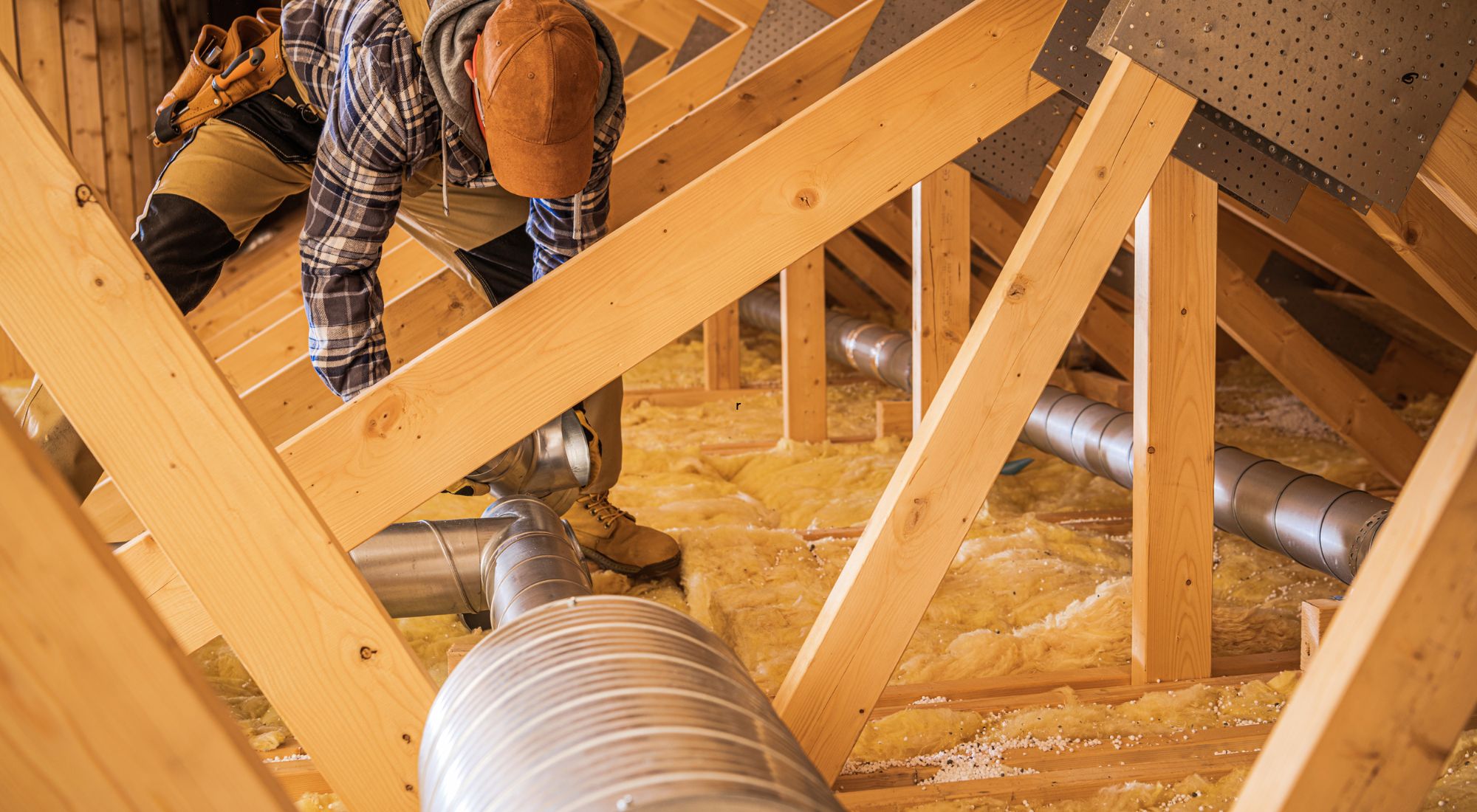
Proper insulation will dramatically improve energy efficiency. It will also make your home more comfortable year-round.
Insulation Considerations for Old Homes
Older homes often lack proper insulation. Walls might be empty or filled with outdated materials.
Be careful when adding insulation to walls. Older homes need to breathe, and some materials can trap moisture.
Consult with a professional to determine the best insulation options for your specific home. Don't wing it!
Unpopular Opinion #6: Spending money on insulation is more important than upgrading your heating or cooling system. A well-insulated home is a comfortable home, regardless of the fancy equipment.
The Bottom Line (and a Final Word of Advice)
Choosing the best heating and cooling system for your older home is a personal decision.
Consider your budget, your lifestyle, and your tolerance for potential headaches.
Don't be afraid to experiment and find what works best for you. Good luck!
Ultimately, the most important thing is to create a comfortable and energy-efficient home. One that you love coming home to.
Unpopular Opinion #7: There is no single "best" system. The perfect solution is the one that meets your specific needs and preferences, even if it means embracing a slightly quirky combination of old and new technologies.