Best Chemical To Clean Aluminum

Okay, so picture this: I once had this old aluminum patio table. You know the kind – lightweight, perfect for those summer BBQs, but after a few seasons, it looked less like "charming weathered antique" and more like "forgotten relic from an alien crash site." It was dull, streaky, and had that weird, chalky oxidation that just screamed, "I've given up on life!"
I tried everything, or so I thought. Dish soap? Nope. A random all-purpose cleaner that promised to clean "anything and everything"? Double nope, just added a sticky film. I even contemplated painting it, which, let's be honest, would have been a travesty for a perfectly good (if grimy) piece of aluminum. Sound familiar? Because if you’ve got aluminum anywhere in your life – a pot, an outdoor chair, even those shiny bits on your car – you’ve probably faced the dreaded dulling dilemma.
Why Aluminum Is Such a Drama Queen
Here’s the thing about aluminum: it’s super reactive. When it’s exposed to air and moisture, it forms a thin layer of aluminum oxide. This layer actually protects the metal underneath (which is pretty cool!), but it’s also what makes it look dull, gray, and sometimes even pitted. It’s like a superhero with a slightly drab costume. And we, my friend, are here to give that superhero a good polish!
Must Read
The "Don't Even Think About It" List
Before we dive into the good stuff, let's get one thing straight: not all cleaners are created equal, especially when it comes to aluminum. You want to avoid anything super abrasive like steel wool or harsh scrubbing pads, as these can scratch the surface and make it even more prone to future oxidation. Also, be wary of highly alkaline cleaners (think strong oven cleaners or lye-based products) or extremely strong acids unless specifically formulated for aluminum. They can corrode the metal and cause permanent damage. We’re looking for clean, not nuclear meltdown, okay?
So, What Actually Works? The Good Stuff!
Alright, let’s talk about the real MVPs in the aluminum cleaning game. The secret often lies in using either mild acids or very gentle cleansers, sometimes a combination, to safely lift away that dull oxide layer and grime without harming the underlying metal.

1. The Gentle Giants: Everyday Heroes
- Dish Soap & Warm Water: For everyday grease, dirt, and light grime, your basic dish soap is your first line of defense. It’s gentle, effective, and readily available. Think of it as the regular shower for your aluminum.
- White Vinegar: Oh, vinegar, you versatile marvel! A solution of equal parts white vinegar and water is fantastic for tackling light oxidation and water spots. The mild acetic acid gently dissolves the dullness. You can wipe it on, let it sit for a few minutes (not too long!), and then rinse thoroughly.
- Lemon Juice & Cream of Tartar Paste: This is like a spa treatment for your aluminum. Both lemon juice (citric acid) and cream of tartar (tartaric acid) are mild acids. Mix them with a little water to form a paste, apply it, let it sit for 5-10 minutes, then gently scrub with a soft cloth and rinse. It’s surprisingly effective for removing stains and restoring shine.
- Baking Soda Paste: Another kitchen cupboard hero! Mix baking soda with a little water to form a paste. This is slightly abrasive but very gentle, making it good for scrubbing away stubborn stains or light corrosion without scratching. It’s also great for neutralizing any lingering odors.
2. When Things Get Serious: Specialized Cleaners
For really heavily oxidized aluminum – think outdoor furniture that's been neglected for years, old boat pontoons, or diamond plate on a truck – you might need to bring in the big guns. These are typically commercial aluminum brighteners or restorers.
- Commercial Aluminum Cleaners/Brighteners: These often contain stronger (but still controlled) acids like phosphoric or hydrofluoric acid. They are incredibly effective at dissolving heavy oxidation and restoring a bright, factory-fresh look. BUT, and this is a huge BUT: these are serious chemicals. You need to follow the instructions to the letter and take all safety precautions. We're talking gloves, eye protection, good ventilation – the whole nine yards. Don't mess around with these, okay? Your skin and lungs will thank you.
Your DIY Aluminum Cleaning Toolkit
Here’s a quick recap for your cleaning arsenal:

- For light grime: Warm water + dish soap.
- For dullness/oxidation: 50/50 white vinegar and water solution, or lemon juice/cream of tartar paste.
- For tough spots: Baking soda paste.
- For severe oxidation: A specialized aluminum brightener (with extreme caution!).
Seriously, Though: Safety First!
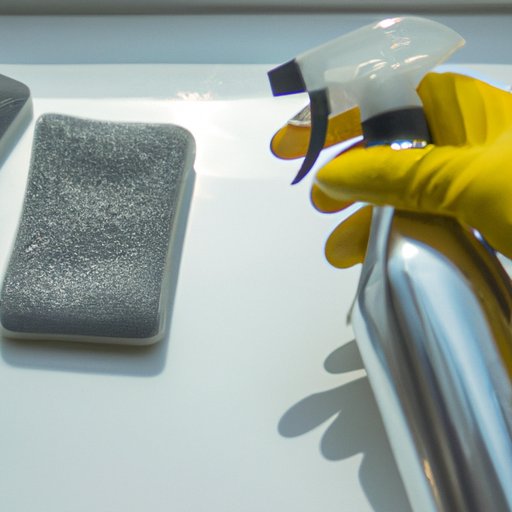
I cannot stress this enough, folks. No matter what chemical you're using – even vinegar! – it’s wise to wear gloves. When dealing with stronger commercial cleaners, absolutely, positively wear eye protection and ensure you have plenty of ventilation. Always test any cleaner on an inconspicuous area first, especially if you're unsure how it might react. Better safe than sorry, right?
Keep It Shiny: Maintenance Tips
Once your aluminum is gleaming, you want to keep it that way! Regular cleaning with mild dish soap and water will prevent heavy build-up. For outdoor items, consider applying a wax or a clear protective coating specifically designed for metals to help ward off future oxidation. It's like putting sunscreen on your aluminum – preventative care goes a long way!
So, there you have it. No more mystery cleaners or giving up on that once-lovely aluminum piece. With the right chemical and a little elbow grease (or none at all, if you choose the strong stuff carefully!), you can bring that shine back. Go forth and conquer that aluminum grime, my friend!