
Best Ceiling Fans For Moving Air

Ever walked into a room and instantly felt… stuck? Like the air itself has decided to take a permanent vacation, leaving you in a muggy, stagnant bubble? Yeah, we’ve all been there. And that’s precisely why we’re here to chat about one of life’s simple, yet profound, pleasures: a really, really good ceiling fan for moving air.
Forget the fancy lights or the designer aesthetics for a moment (though those are cool too!). Today, we’re diving deep into the wonderfully practical world of how these whirling wonders actually do their job: creating that blissful breeze that makes a room feel alive again. It’s like having your own personal wind machine, right there on your ceiling!
What Makes a Fan a Breeze Master?
So, what's the secret sauce? How do some fans feel like a gentle whisper of coolness, while others just seem to stir the pot of hot air without much effect? It’s not just about how fast the blades spin, though that’s part of the puzzle.
Must Read
The real hero here is often measured in something called CFM – Cubic Feet per Minute. Think of it like this: if you could scoop up all the air a fan moves in one minute, how big would that scoop be? A high CFM means more air is being moved, plain and simple. It's the ultimate metric for an air-moving champ!
The Angle of Attack: Blade Pitch
Imagine trying to row a boat with your oars flat against the water. You wouldn't go anywhere, right? Ceiling fan blades work similarly. The blade pitch – that’s the angle at which the blades are tilted – is super important. A steeper pitch, usually between 12 and 15 degrees, allows the blades to scoop and push more air with each rotation. Too flat, and it just slices through the air; too steep, and it creates drag, making the motor work harder for less effect. It's a delicate balance, like a perfectly tuned engine.

The Heart of the Operation: The Motor
Behind the scenes, the motor is truly the unsung hero. A powerful, well-designed motor can spin those blades efficiently, maintaining a consistent air flow without sounding like a helicopter taking off in your living room. Look for fans with DC motors. They’re often pricier upfront, but they are incredibly energy-efficient, quieter, and offer more speed settings. It’s like upgrading from a leisurely bicycle to an electric bike – same effort, way more breeze!
Does Size Really Matter? (For Fans, Yes!)
When it comes to moving air, size absolutely plays a role. You wouldn’t put a tiny desk fan in a grand ballroom and expect a hurricane, would you? Generally, larger rooms need larger fans.
- Small rooms (up to 75 sq ft) might do well with fans around 29-36 inches.
- Medium rooms (76-144 sq ft) usually benefit from 42-48 inch fans.
- Large rooms (145-225 sq ft) are often best served by 50-54 inch fans.
- And for those great rooms or open-concept spaces (over 225 sq ft)? You're looking at 60 inches or even larger, sometimes even multiple fans!
But it’s not just about the blade span; it's about matching the fan to your space so it can effectively circulate air without feeling overwhelming or underpowered. Think of it like a perfectly tailored suit – it just fits.

The Magic of Efficient Air Movement
Here’s a cool thought: a ceiling fan doesn't actually cool the air. What?! Yes, it's true! What it does is create a wind-chill effect on your skin. That moving air evaporates moisture from your skin, making you feel cooler. This means you can often bump up your thermostat a few degrees in the summer and still feel comfortable, saving you a chunk of change on your energy bill. Talk about a win-win!
For winter, many fans have a reverse switch. Flipping it changes the blade direction, gently pushing warm air (which naturally rises) back down into the room. It’s like giving your heater a helping hand, ensuring all that cozy warmth gets distributed evenly. Smart engineering for year-round comfort!
What to Look For: Beyond the Bling
So, when you're on the hunt for a true air-moving champion, keep your eye on a few key things:
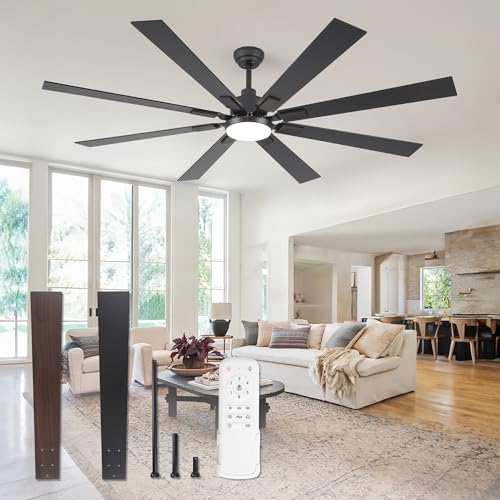
First, that CFM rating. The higher, the better for sheer air movement.
Second, consider the motor type (DC motors for efficiency and quiet).
Third, the blade count and pitch – while more blades don't always mean more air (sometimes it's the opposite!), a good pitch is crucial.
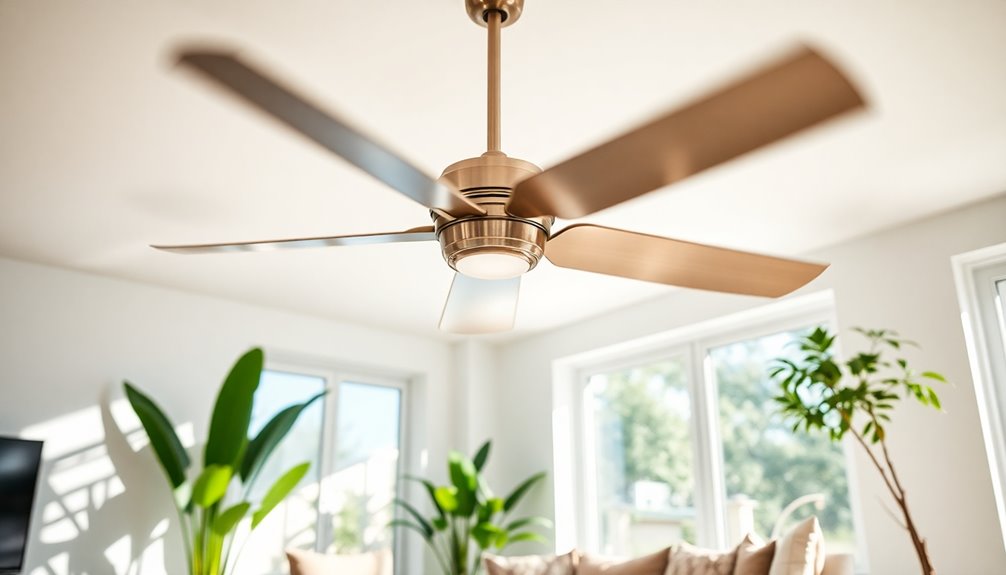
Finally, think about your room size and ceiling height. A fan needs enough clearance to do its job effectively.
The Vibe Check: What Good Air Movement Feels Like
Ultimately, it comes down to how it feels. You’re not looking for a hurricane in your living room, or a gentle whisper that does nothing. You want a consistent, comforting breeze that makes the air feel fresh and breathable. It’s about creating an atmosphere where you don't even notice the fan, just the sheer comfort it provides. It’s that subtle, refreshing feeling, like opening a window on a perfect spring day.
So, next time you're contemplating a ceiling fan, remember it's not just a decorative fixture. It's an engineer marvel designed to bring you the simple, yet profound, joy of perfectly moved air. Happy breezing!