Best Aluminum Alloy For Electrical Conductivity
Ever wondered what's buzzing behind the scenes of your life, powering your Netflix binges and keeping your fridge frosty? It's electricity, of course! But electricity needs a highway, a super-efficient route to get from the power plant to your outlets. And that's where the unsung hero of our story comes in: aluminum alloy.
Now, before you picture aluminum foil wrapping your leftover pizza, let's clarify. We're not talking about the flimsy stuff you use for baking. We're talking about a specially mixed, souped-up version called aluminum alloy. Think of it as aluminum that went to the gym and bulked up, ready to tackle the demands of electrical conductivity.
Why aluminum at all? Well, copper is the gold standard for conductivity, but it's also pricey. Imagine wiring your entire house with gold... your bank account would weep! Aluminum steps in as the sensible, yet still remarkably effective, option. It’s like choosing a reliable Honda Civic over a flashy Ferrari – it gets you where you need to go without bankrupting you.
Must Read
The Alloy Advantage: It's All About the Blend
Pure aluminum, bless its heart, isn't perfect on its own. It's a bit like that friend who's great at brainstorming but terrible at following through. It needs a little help. That's where alloying comes in. Alloying is basically like adding spices to a dish to enhance its flavor. In this case, we're adding other elements to aluminum to boost its strength, conductivity, and other desirable properties.
Think of it like making a superhero team. You've got your main hero, Aluminum, but you need a supporting cast. Silicon, magnesium, iron, and even copper might join the party, each contributing their unique superpowers to create a more formidable conductor. The exact recipe determines the specific aluminum alloy and its characteristics.
So, What's the Best Alloy for Conductivity?
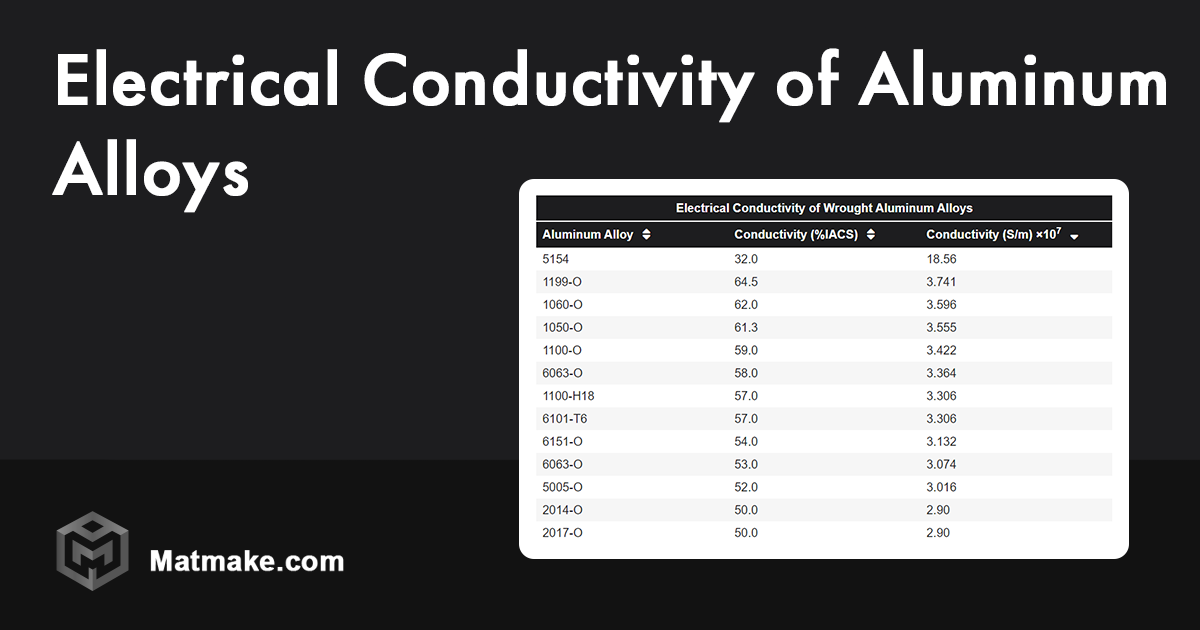
Ah, the million-dollar question! There's no single "best" alloy for every situation. It's a bit like asking what's the best pizza topping – it depends on your taste! However, some alloys consistently shine when it comes to electrical conductivity.
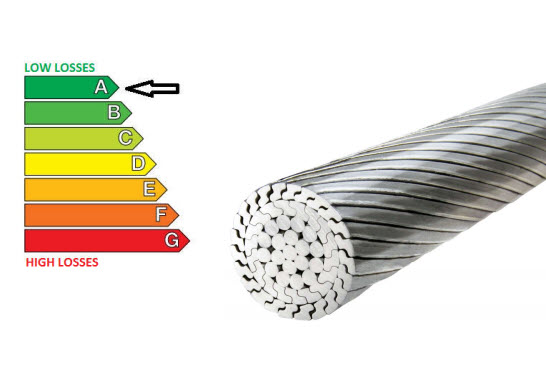
One popular choice is the 1350 alloy. It's often referred to as electrical conductor grade aluminum (EC grade aluminum). This is your workhorse, the dependable player on the team. It boasts excellent conductivity and is widely used in overhead power transmission lines. Ever seen those massive cables stretching across the countryside? Chances are, they’re made with something like 1350 alloy.
But wait, there's more! Other alloys, like the 6101 alloy, also deserve a shout-out. This alloy is known for its high strength and conductivity, making it suitable for applications where both are crucial. Think of it as the multi-talented athlete who excels in multiple sports. It is frequently used in busbars and other high-current applications.
The choice really boils down to the specific application and the balance of properties needed. Do you need maximum conductivity? Do you need high strength? Do you need good corrosion resistance? The answers to these questions will guide you to the right aluminum alloy.
Beyond Conductivity: It's a Package Deal
While conductivity is king in this context, it's not the only factor to consider. Think of buying a car. You might want great gas mileage (like high conductivity), but you also care about safety, reliability, and maybe even how cool it looks! Similarly, when choosing an aluminum alloy for electrical applications, you need to consider:
- Strength: Can it withstand the stresses of its environment?
- Corrosion resistance: Will it rust and degrade over time, especially in harsh weather conditions?
- Cost: Is it budget-friendly?
- Weight: Aluminum is already lighter than copper, but some alloys are even lighter.
So, the next time you flip a light switch or charge your phone, take a moment to appreciate the magic happening behind the scenes. And remember, it's not just electricity; it's also the clever combination of elements in aluminum alloy that makes it all possible. It's the silent, efficient workhorse powering our modern world.
And hey, if you ever find yourself at a party and the conversation lulls, you can always drop some knowledge about aluminum alloys and their electrical conductivity. You'll be the life of the party... or at least, the most interesting person talking about wires!