
Best Ac Systems For Homes
Okay, picture this: It’s the dog days of summer, the kind of heat where the air itself feels like a warm, wet blanket. You walk into your house, dripping slightly (or maybe more than slightly, no judgment here!), and you hit that AC switch, expecting that glorious rush of arctic air. Instead… silence. Or worse, a sad, asthmatic wheeze of lukewarm nothingness. Been there? Oh, trust me, I have. It was a miserable weekend, involving strategically placed ice packs and a lot of wishing for winter.
That little moment of sweaty despair really hammered home one thing: a good AC system isn’t just a luxury; it’s a necessity. Especially if you live anywhere that experiences, you know, actual summer. But with so many options out there, how do you even begin to figure out which AC system is the best for your home? It can feel like trying to choose a favorite star in the night sky – overwhelming, right?
Don't sweat it (pun absolutely intended!). Let’s break down the contenders and help you navigate this wonderfully cool world. We're going for comfort, efficiency, and a little bit of future-proofing, because who wants another sweltering weekend?
Must Read
The Big Players: What Are Your Options?
When it comes to keeping your abode chilly, there are a few heavy hitters you’ll encounter. Each has its own vibe, its own pros and cons, and its own ideal habitat. Let's dive in.
Central Air Conditioning: The Classic Workhorse
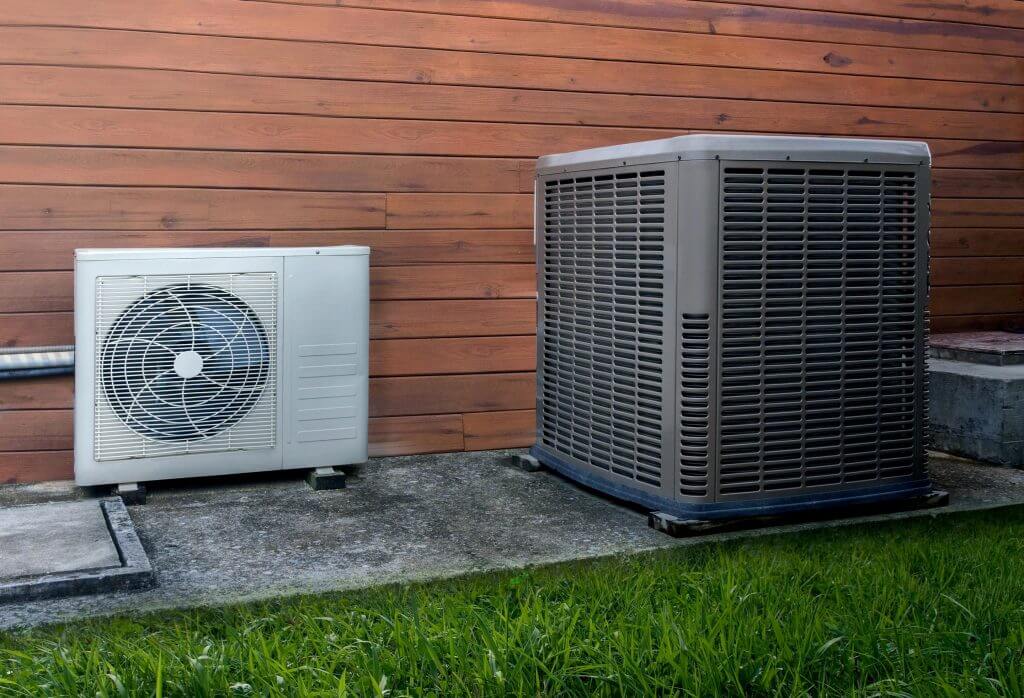
This is probably what most people picture when they think of home AC. A big outdoor unit, an indoor coil, and a network of ducts spreading cool air throughout your entire house. It’s tried, tested, and true.
- Pros:
Whole-home cooling, quiet operation inside (all the noisy bits are outside!), and can be integrated with your heating system for an all-in-one solution. Seamless, baby. - Cons:
Can be expensive to install if you don't already have ductwork. Ducts also lose a bit of efficiency, and sometimes you're cooling rooms you don't even use.
Ductless Mini-Splits: The Modern Marvel
Ever seen those sleek units mounted on walls in individual rooms? That’s a mini-split! They’re gaining serious popularity, especially for homes without existing ducts or for additions. They connect an outdoor unit to multiple indoor units (or just one).
- Pros:
Highly energy efficient (you only cool the rooms you're in!), super flexible installation, and often offer both heating and cooling. Great for "zoned" comfort, which is fancy talk for chilling out exactly where you want to be chill. - Cons:
Each indoor unit is visible, which some find less aesthetically pleasing. The upfront cost per zone can add up, though often less than installing new ductwork for central air.
Geothermal HVAC: The Eco-Friendly Investment
Alright, this one's a bit more advanced, and definitely a bigger initial investment, but hear me out. Geothermal systems tap into the stable temperature of the earth to heat and cool your home. It’s like magic, but with science!
- Pros:
Incredibly energy efficient (like, really efficient), leading to significantly lower utility bills over the long term. Environmentally friendly and boast a super long lifespan. You’re basically a superhero for the planet. - Cons:
The initial installation cost is high due to the need for underground loops. This is a commitment, folks.
Portable & Window Units: The Quick Fix Heroes
These are the MVPs for apartments, single rooms, or when your main system decides to spontaneously combust in July. Not ideal for whole-home cooling, but boy, do they save the day in a pinch. They’re like the emergency snack of the AC world – gets the job done when you need it most.

What to Consider Before You Choose
So, now you know the players. But which one should you invite to your home? Here are the critical questions to ask yourself:
1. Your Home's Size & Layout: Is it a sprawling ranch or a cozy two-story? The size (measured in BTUs) of your AC needs to match your space. Don't undersize it, or you'll still be sweating! Don't oversize it, or you'll have humidity issues and short cycling!

2. Your Climate: Do you just need a few weeks of cooling, or are you battling intense heat and humidity for months on end? This affects efficiency ratings you should look for (like SEER and EER).
3. Your Budget: This isn't just about the purchase price. Think about installation costs, potential ductwork, and long-term operating costs (those monthly energy bills!). Sometimes, spending more upfront saves you a ton down the road.
4. Energy Efficiency Ratings: Look for those shiny labels! A higher SEER (Seasonal Energy Efficiency Ratio) means more efficient cooling. This directly impacts your wallet, so pay attention, my friend!
5. Installation Complexities: Does your home have existing ductwork? Are you willing to deal with the disruption of installing new lines or ground loops? This can be a significant factor.
The Final Word (for now!)
There's no single "best" AC system for every home. It truly depends on your specific needs, your budget, and your home’s unique characteristics. The best advice? Do your homework, get quotes from reputable HVAC professionals, and ask all the questions that pop into your curious head. Seriously, don't be shy!
Ultimately, investing in a good AC system means investing in your comfort, your sleep, and your overall sanity during those brutal summer months. So go forth, make an informed decision, and prepare for a wonderfully, blissfully cool home!