Belly Piercings On Outies

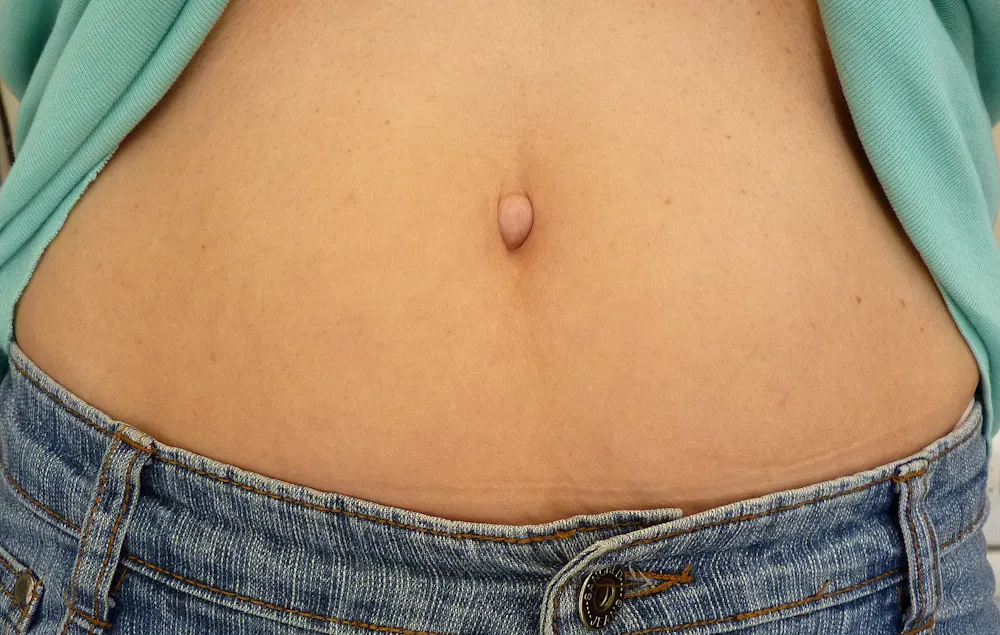
Belly button piercings – they're a classic for a reason! But what if your belly button isn't exactly...innie? Don't worry, outie-bellied beauties, you absolutely can rock a navel piercing! The world of body modification is all about self-expression and finding what works for you. And frankly, the idea of bedazzling an outie belly button feels a little rebellious and a whole lot of fun. So, let's dive into the specifics of belly piercings on outies, shall we?
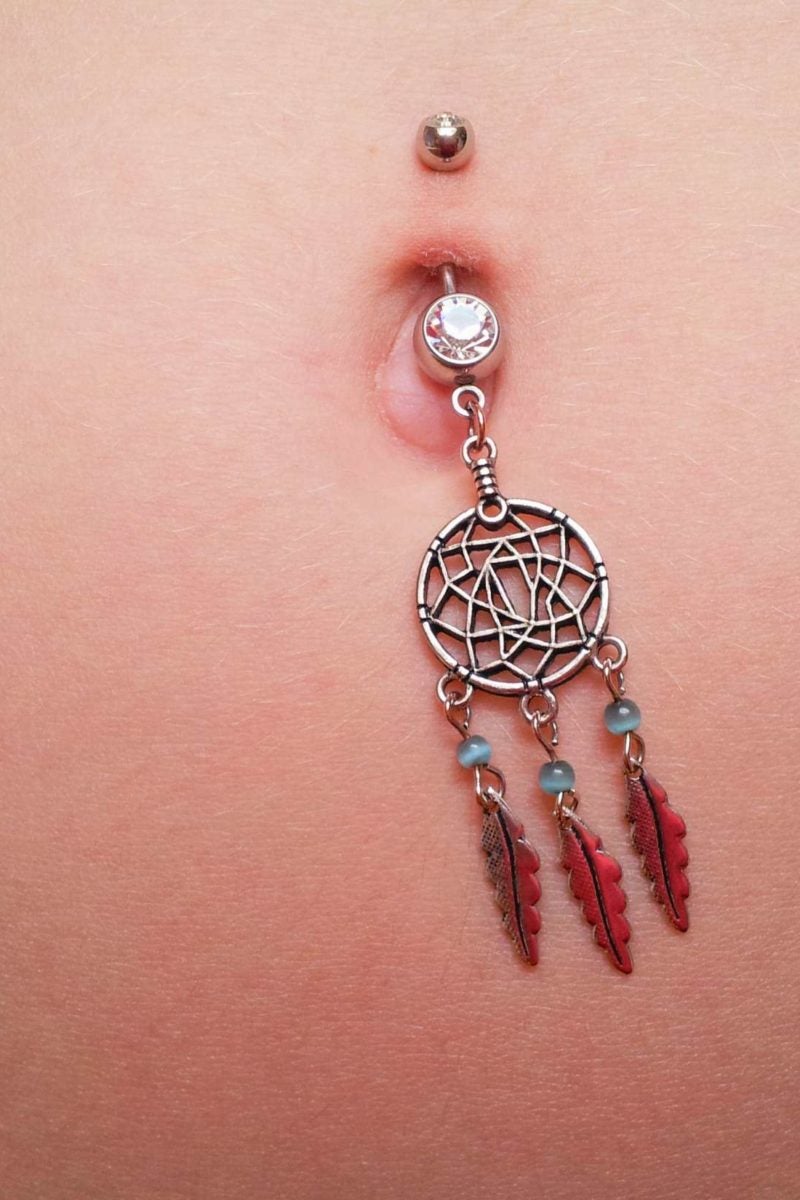
The first, and arguably most important, thing to understand is that the actual piercing doesn't usually go through the belly button itself. Whether you have an innie or an outie, a skilled piercer will typically pierce the skin just above the navel. This placement is key for proper healing and to avoid complications. For outies, the piercer will assess the shape and size of the protrusion to determine the best placement for the piercing. They'll want to ensure the jewelry hangs nicely and doesn't cause any discomfort or irritation. Think of it as strategically accessorizing your unique body landscape! It's all about finding the perfect contour for the jewelry.
So, what's the point? Besides looking fantastic, belly piercings, even on outies, offer a few benefits. The most obvious is self-expression. It's a way to showcase your personality and style. A sparkly gem, a dangling charm, a simple barbell – the possibilities are endless! It can also be a major confidence booster. Knowing you're rocking a look that makes you feel good about yourself is a powerful thing. Plus, let's be honest, it's a great conversation starter!
Must Read
Now, let's talk about jewelry choices. For outie belly buttons, it's crucial to choose jewelry that complements the shape and size of your navel. A curved barbell is the most common and generally the best option. Your piercer can advise on the appropriate length and gauge to ensure a comfortable fit. Avoid overly large or heavy jewelry, especially during the healing process, as this can put extra stress on the piercing and potentially lead to migration or rejection. Look for materials like surgical stainless steel, titanium, or niobium, especially if you have sensitive skin.
Finally, and this goes for any piercing, proper aftercare is paramount. Clean your piercing twice a day with a saline solution. Avoid touching it unnecessarily, and definitely don't pick at it! Wear loose-fitting clothing to avoid irritation, and be patient. Belly button piercings can take several months to fully heal, so consistency with your aftercare routine is key. Consult your piercer if you have any concerns or notice any signs of infection. Remember, a little patience and care will reward you with a beautifully healed and confidently displayed belly piercing!