Battery Light Is On But Battery Is Good
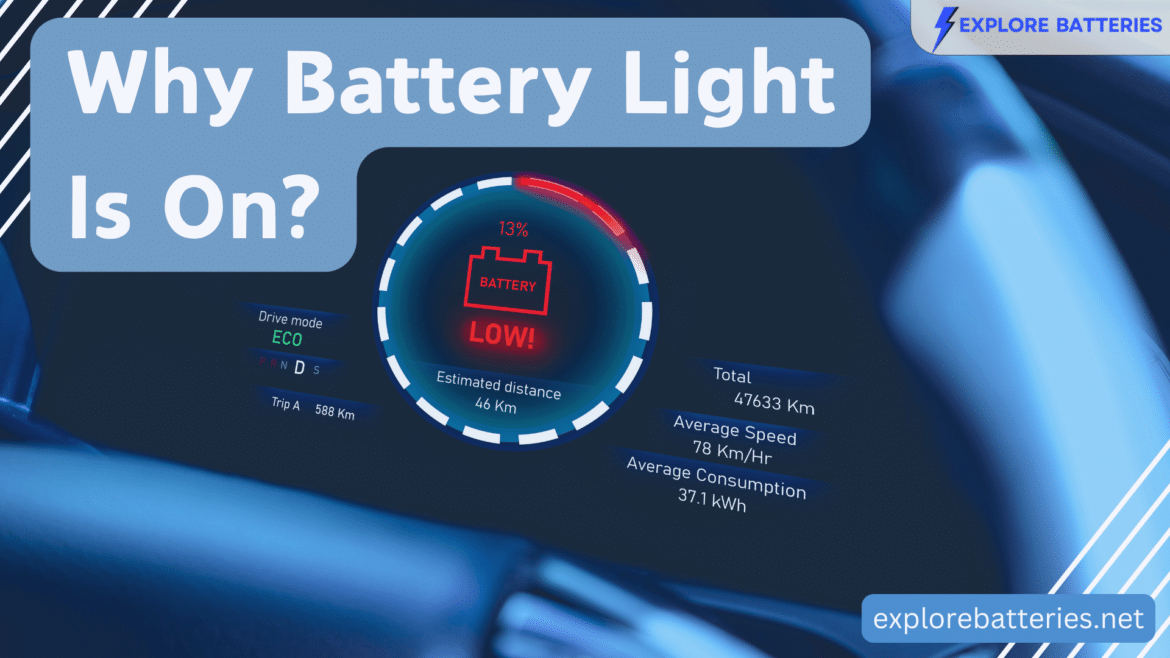
Picture this: You're cruising along, music up, feeling good, when suddenly, a little light on your dashboard flickers to life. It's the dreaded battery light! Your heart sinks. Oh no, a dead battery! But wait a minute... your car started fine this morning, the lights are bright, the radio is blasting. So, what gives? Why is that pesky battery light on if your battery seems perfectly fine? This common automotive mystery is not only a little fun to unravel, but understanding it can save you a lot of headache, time, and money. It’s about becoming a savvier driver and knowing that not all warning lights mean the most obvious thing!
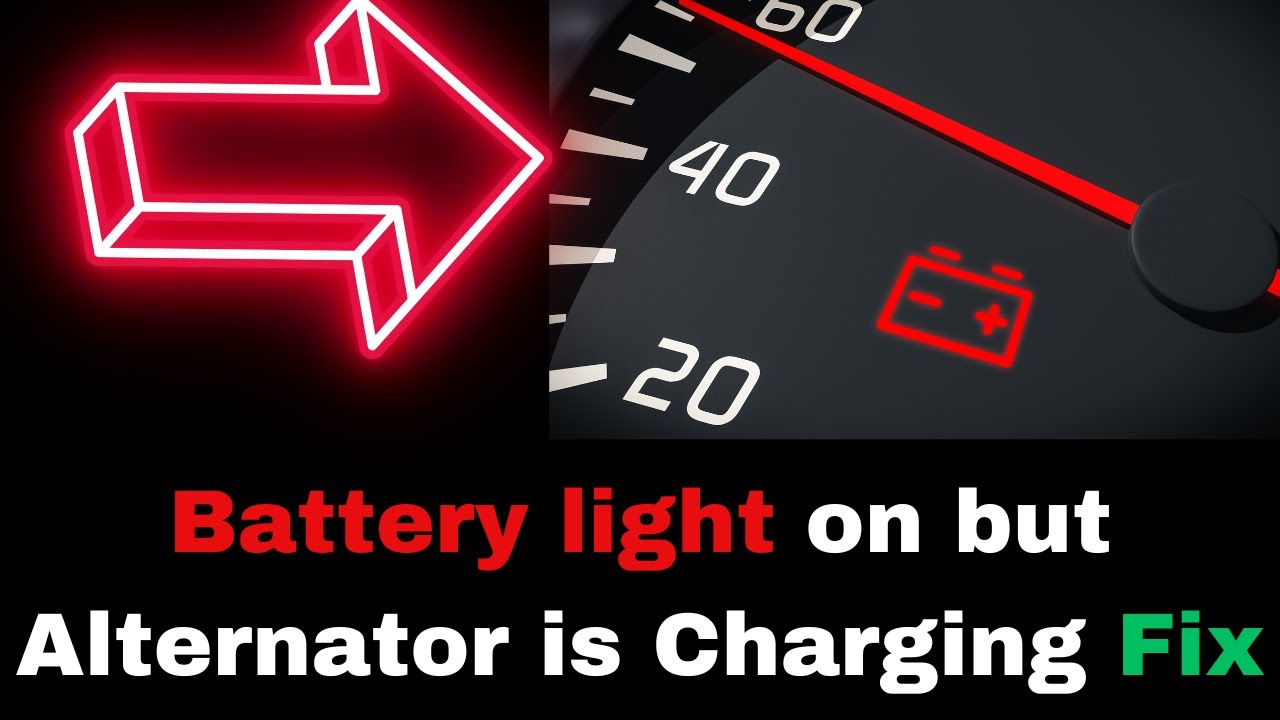
Here’s the big secret: The battery light on your dashboard isn't actually a "battery status" indicator. Think of it more as a "charging system warning" light. Its primary purpose is to tell you that there's an issue with the system responsible for keeping your battery charged and powering your car's electrical components while the engine is running. And the star player in that system, the one most often at fault when your battery is actually good, is the alternator.
The alternator is a mini power plant under your hood. While your car is running, it generates electricity to power everything from your headlights and radio to the engine's computer. It also continuously recharges your car's 12-volt battery. If the alternator isn't doing its job properly – perhaps it's failing, or its belt (the serpentine belt) has snapped or is slipping – then your battery isn't getting recharged. The battery light comes on to warn you that your car is now running solely on battery power, which, as you can imagine, won't last forever. Other potential culprits, though less common than the alternator, include a loose or corroded battery cable connection (even if the battery itself is good!), a faulty voltage regulator, or even a wiring issue somewhere in the charging circuit.
Must Read
So, what should you do if your battery light comes on but your battery seems okay? Don't ignore it! Even if your car is currently running fine, you're on borrowed time. The benefits of acting quickly are huge. First, you avoid getting stranded when the battery inevitably drains completely. Second, you can prevent more expensive repairs down the line. Replacing a failing alternator before it completely gives out is often easier and cheaper than dealing with a car that won't start and potentially other related electrical issues. Many auto parts stores offer free charging system checks, which can quickly diagnose if the alternator is the problem. Getting this check done proactively gives you peace of mind and keeps your wheels turning safely.
Understanding this particular dashboard light transforms a moment of panic into an opportunity for proactive maintenance. You're not just replacing parts blindly; you're tackling the root cause. It's a fundamental piece of car knowledge that empowers you, saving you from unnecessary battery purchases and unexpected breakdowns. So, the next time that little battery light illuminates, remember: it’s not always the battery; it’s usually the charging system waving a friendly, albeit urgent, flag!