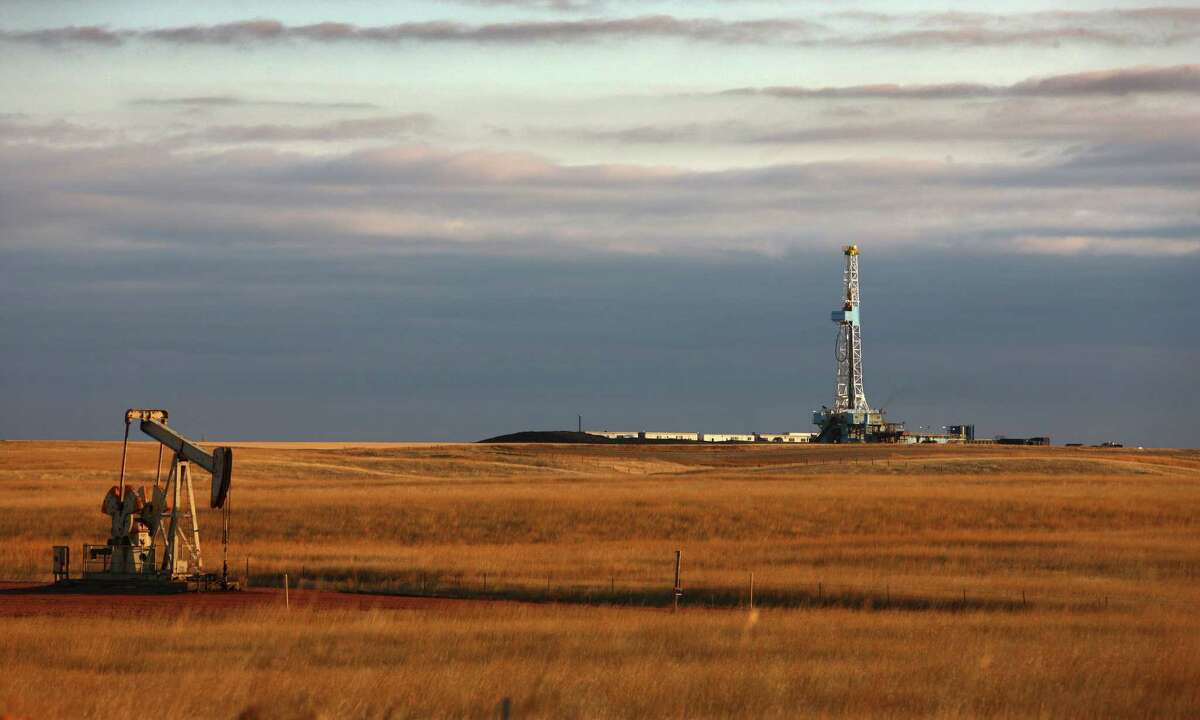
Bakken Oil Field Fails Of The Day

Hey everyone, settle in! Today, we're diving into something a little different: the Bakken oil field. Now, I know what you might be thinking: "Oil? That sounds… boring." But trust me, it's anything but. We're not talking about the politics or the energy debates today. Instead, let's peek behind the curtain and explore some of the fails – the hiccups, the oh-no moments, the "well, that didn't quite go as planned" situations that inevitably pop up in a massive operation like this. Think of it as the blooper reel of the energy industry.
Why is this interesting? Because understanding the challenges reveals just how complex and, frankly, ingenious these operations really are. It’s like watching a magic trick and then figuring out how it’s done. Suddenly, you appreciate the skill and preparation even more. And who doesn’t love a good "oops!" moment?
The Curious Case of the Rusty Pipeline
Imagine this: you've got a massive network of pipelines stretching across North Dakota, carrying all that valuable crude oil. It’s the oil field’s circulatory system. But what happens when that system springs a leak? Well, that's where the "fails" start. Sometimes it's corrosion, a silent enemy slowly eating away at the metal. Think of it like rust on your old bicycle, but on a much larger and more impactful scale.
Must Read
Preventing this is a constant battle. Companies use all sorts of clever techniques, from special coatings to internal inspections with robots. But sometimes, the rust wins. And when it does, you've got a spill to clean up, repairs to make, and a whole lot of explaining to do. It highlights the constant vigilance required to keep things running smoothly. Kind of like constantly checking the tire pressure on your car, but with way higher stakes.
Fracking Flubs and Fumbles
Let's talk about fracking, or hydraulic fracturing. It's the process of injecting high-pressure fluid into shale rock to release oil and gas. It's a marvel of engineering, but it also has its… quirks. Sometimes, the fluid doesn’t go exactly where you want it to go. Imagine trying to water a plant with a hose that has a mind of its own. The water ends up spraying everywhere but the plant!

These "frac hits," as they’re sometimes called, can cause all sorts of issues. They might affect nearby wells, potentially contaminating them or disrupting their production. It’s a bit like when your neighbor's loud music messes with your movie night. Annoying, right? Now, amplify that feeling and add the weight of environmental concerns and economic repercussions. This is precisely why careful planning and monitoring are so vital.
The Perils of Produced Water
Here's another head-scratcher: produced water. When you extract oil, you often get a lot of water mixed in with it – water that's been trapped underground for millennia. This water isn't exactly pristine spring water; it's often highly salty and contains other dissolved minerals. What do you do with all that water? That's the million-dollar question.

Ideally, it's treated and reused, or disposed of safely in deep injection wells. But sometimes, things don't go according to plan. Maybe a disposal well isn't properly sealed, leading to potential contamination. Or perhaps the volume of produced water overwhelms the treatment capacity. It's a bit like having a leaky faucet that you just can't seem to fix – except the "leak" is a serious environmental concern.
The Human Element: Mistakes Happen
Let's not forget about the human element! No matter how sophisticated the technology, people are still running the show. And people, well, they make mistakes. A misread gauge, a missed step in a procedure, a momentary lapse in judgment – these things can happen to anyone, anywhere. The challenge in the Bakken is that even seemingly small errors can have big consequences. Think of it like a tiny typo in a critical piece of code that causes the whole system to crash. Yikes!
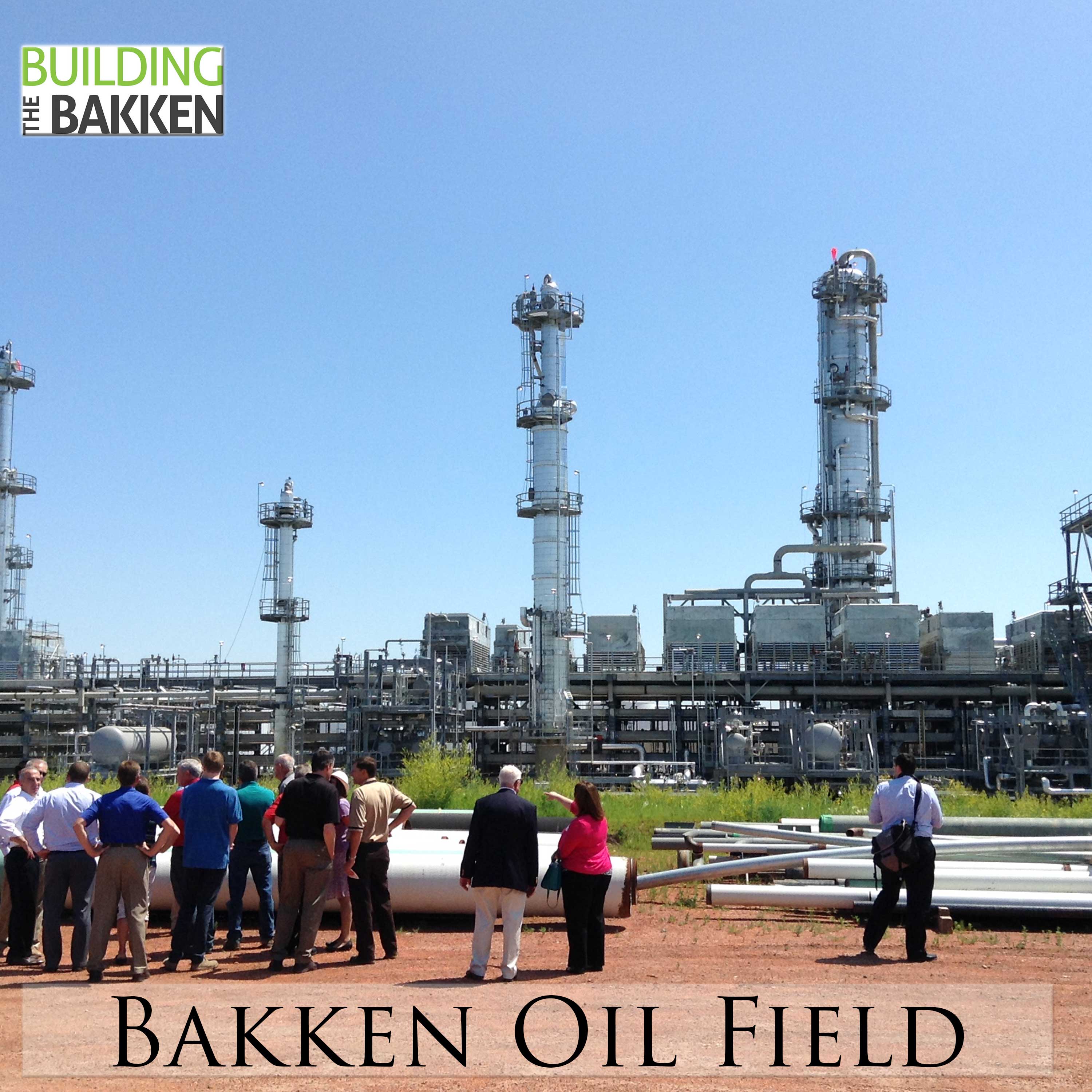
The Bakken oil field is a fascinating place, a testament to human ingenuity and a constant reminder of the challenges we face when extracting resources from the earth. The "fails" aren't necessarily something to be ashamed of; they’re learning opportunities, chances to improve, and reminders that perfection is a myth. Instead of focusing on the negative, let's appreciate the immense effort, the continuous innovation, and the sheer scale of this operation. After all, even the most impressive feats of engineering have their bloopers.
So, next time you hear about the Bakken, remember it’s more than just oil. It's a complex interplay of technology, geology, and human endeavor, with a healthy dose of "oops!" moments along the way. And that, my friends, is pretty darn cool.