Baking In Gas Oven Vs Electric
Ever found yourself staring into your oven, wondering why one batch of cookies came out perfectly crisp at your friend's house, while yours turned out a little chewier, even with the same recipe? Or perhaps you're in the market for a new appliance, faced with the age-old dilemma: gas or electric oven? It might seem like a minor detail, but the type of oven you use can actually have a surprising impact on your baking results. Delving into the nuances of gas versus electric is not just for professional chefs; it's a fascinating culinary curiosity that can elevate your home baking game and make you a more informed, confident cook.
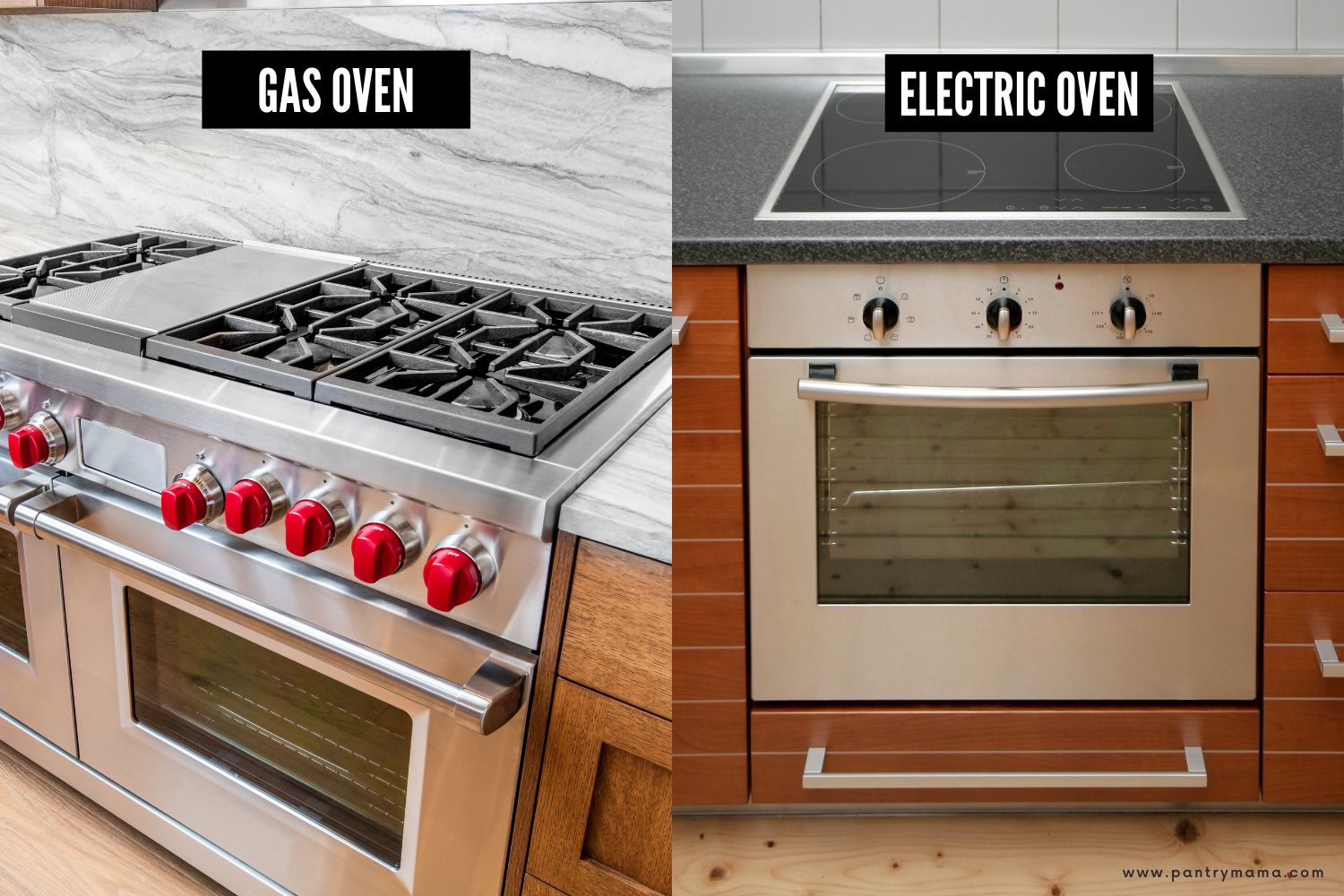
The primary purpose of understanding these differences is to unlock your oven's full potential and better troubleshoot your baking endeavors. Each oven type heats food differently, which directly affects aspects like browning, crust development, moisture retention, and overall rise. For instance, gas ovens often provide a more moist heat. This is because natural gas combustion releases water vapor as a byproduct. This moisture can be beneficial for certain items like breads, helping them develop a beautiful, chewy crumb without drying out too quickly. However, they can also have more pronounced hot spots and a less consistent temperature, as heat typically emanates from a single burner at the bottom, cycling on and off to maintain temperature.
Conversely, electric ovens generally offer a drier, more consistent heat. They use heating elements at the top and bottom (and sometimes the back for convection models) to distribute heat more evenly throughout the cavity. This dry, radiant heat is fantastic for items that need to crisp up beautifully, like pies, tarts, or delicate meringues. Their consistent temperature control can also be a blessing for precise baking, such as soufflés or elaborate cakes that demand stable environments. Understanding these core heating mechanisms is the key to adapting any recipe to your specific appliance.
Must Read
In our daily lives, this knowledge proves invaluable. Imagine trying to bake a new sourdough recipe from an online blog. If the recipe was developed in a dry electric oven, you might need to adjust baking times or consider a water bath for extra moisture if you're using a gas oven. In an educational context (even if it's just self-education through experimentation!), learning about these oven types helps us grasp fundamental principles of heat transfer and their practical application in the kitchen. You'll start noticing how different ovens at friends' houses or rental properties affect your dishes, empowering you to adjust on the fly.
Ready to explore this delicious topic further? Here are a few practical tips: First, invest in an oven thermometer. This simple tool will tell you your oven's true temperature, which often differs from the dial setting, regardless of whether it’s gas or electric. Second, bake the same simple recipe, like a batch of sugar cookies, in both types of ovens if you have access to them (maybe at a relative’s house!). Note the differences in browning, texture, and baking time. Pay attention to how your current oven heats: Does it cycle loudly? Are there obvious hot spots? For electric ovens, you might need to rotate your baking trays halfway through. For gas, experiment with different rack positions to find the sweet spot. Ultimately, baking is an art and a science, and understanding your oven is a crucial ingredient to becoming a truly masterful home baker.