
Baking In Electric Oven Vs Gas
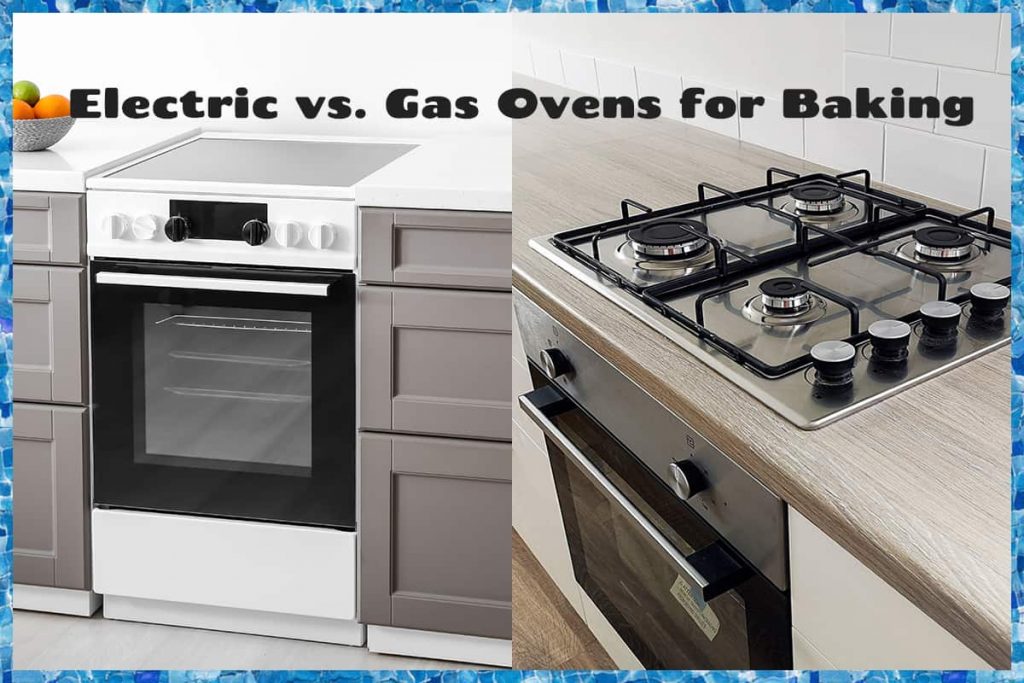
Ever baked something delicious, pulled it out of the oven, and thought, "Wow, that's perfect!"? Or maybe, "Hmm, why is it a bit too crunchy on top but undercooked inside?" Well, buckle up, fellow food adventurers, because the unsung hero (or sometimes, villain) of your kitchen might just be… the oven itself!
Most of us probably don't give our ovens a second thought beyond "turn it on" and "stick food in." But did you know there's a fascinating, subtle world of difference between baking in an electric oven versus a gas oven? It’s not just about what fuel they use; it’s about how they cook, how they feel, and ultimately, how your beloved bakes turn out!
The Electric Oven: The Steady, Predictable Friend
Let's start with electric ovens. Think of an electric oven as your incredibly reliable, consistent friend. When you set it to 350°F, it really, truly tries its best to maintain that exact temperature throughout. How does it do this? With heating elements usually at the top and bottom, which cycle on and off to keep things nice and steady.
Must Read
This steady, even heat distribution is an electric oven's superpower. It's like a perfectly woven blanket of warmth surrounding your food. This makes electric ovens particularly fantastic for things that need a gentle, consistent touch. We're talking about delicate cakes, soufflés, and those beautiful, evenly browned cookies where you want every single one to look exactly the same.
Many bakers swear by electric for their precision. You get predictable results, which is a huge comfort when you're following a complex recipe. Plus, many electric ovens come with a convection fan built-in, which actively circulates that hot air, making things even more uniform and often speeding up cooking times. Imagine a little internal whirlwind ensuring every nook and cranny gets equal attention!
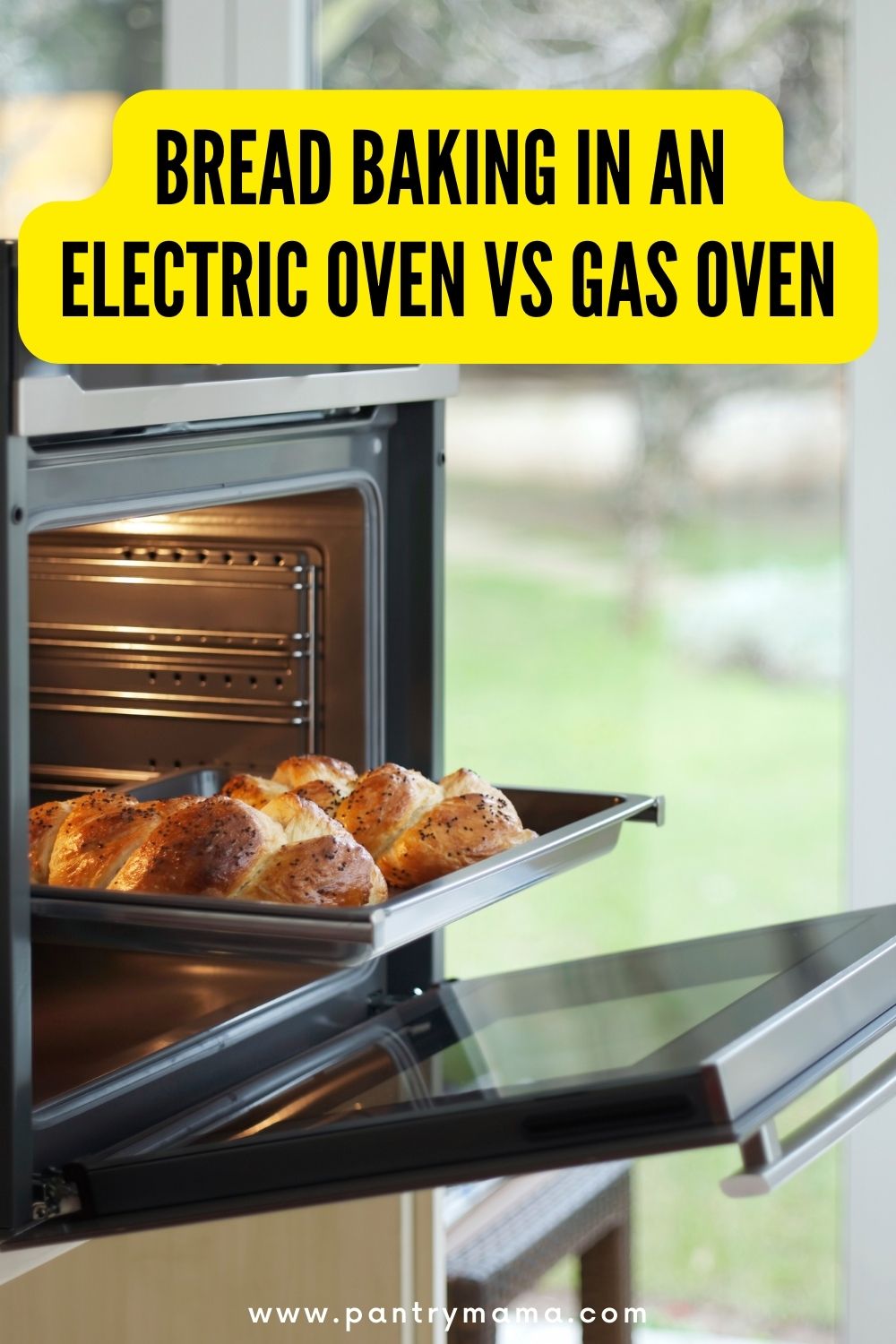
The downside? Sometimes, electric ovens can feel a bit "dry." Because there's no combustion, the air inside tends to be less humid. Some folks find that their roasts or certain breads might benefit from a little added moisture. Also, they can sometimes take a little longer to preheat, needing that extra time to warm up those elements.
The Gas Oven: The Fiery, Humid Artist
Now, let's swing over to the gas oven. Ah, the gas oven! This one operates with a flame, usually at the bottom, which ignites and then cycles to maintain the temperature. Think of it as a small, contained campfire in your kitchen.
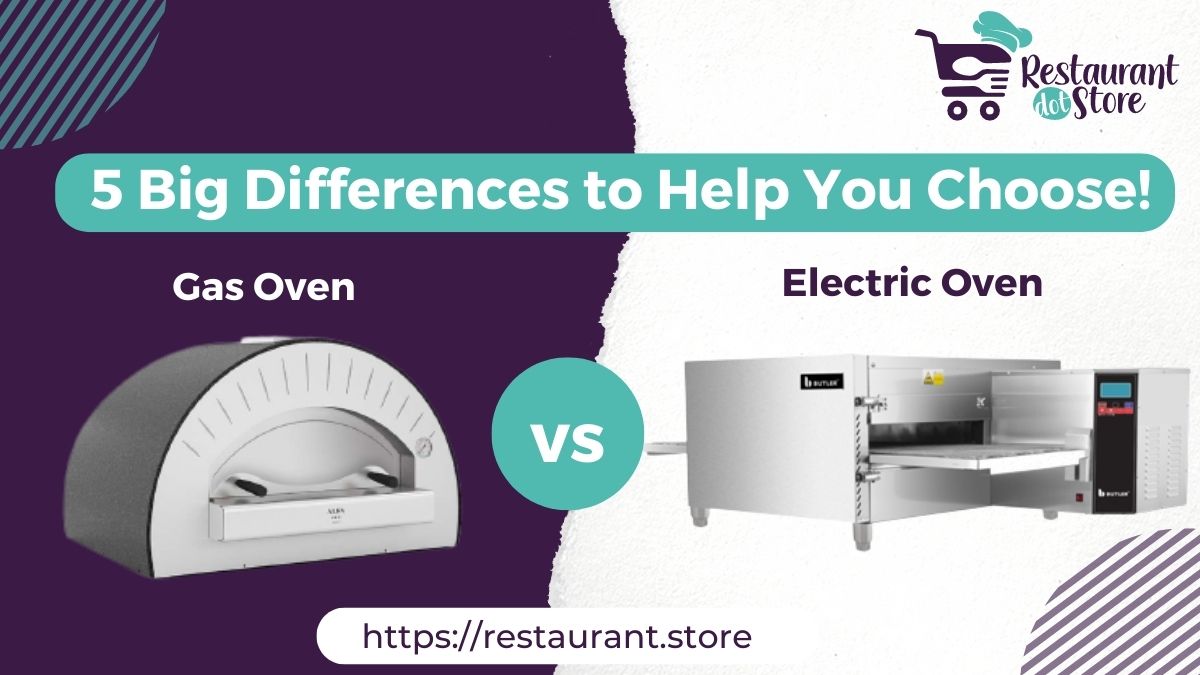
The primary characteristic of a gas oven is its moist heat. Because gas combustion produces water vapor, the air inside a gas oven is naturally more humid. This moisture can be a game-changer for certain foods! Imagine a juicy roast chicken with crispy skin, or a loaf of bread with a beautiful, chewy crust – the kind that makes that satisfying crackle when you slice into it.
Gas ovens are often celebrated for their intense heat from the bottom. This is brilliant for things like pizzas, flatbreads, or anything that benefits from a good, strong blast of heat from underneath to get that perfect, crispy base. Ever wondered why some restaurant pizzas have that amazing char on the bottom? Chances are, they’ve got a fierce heat source like a gas oven or even a wood-fired one.
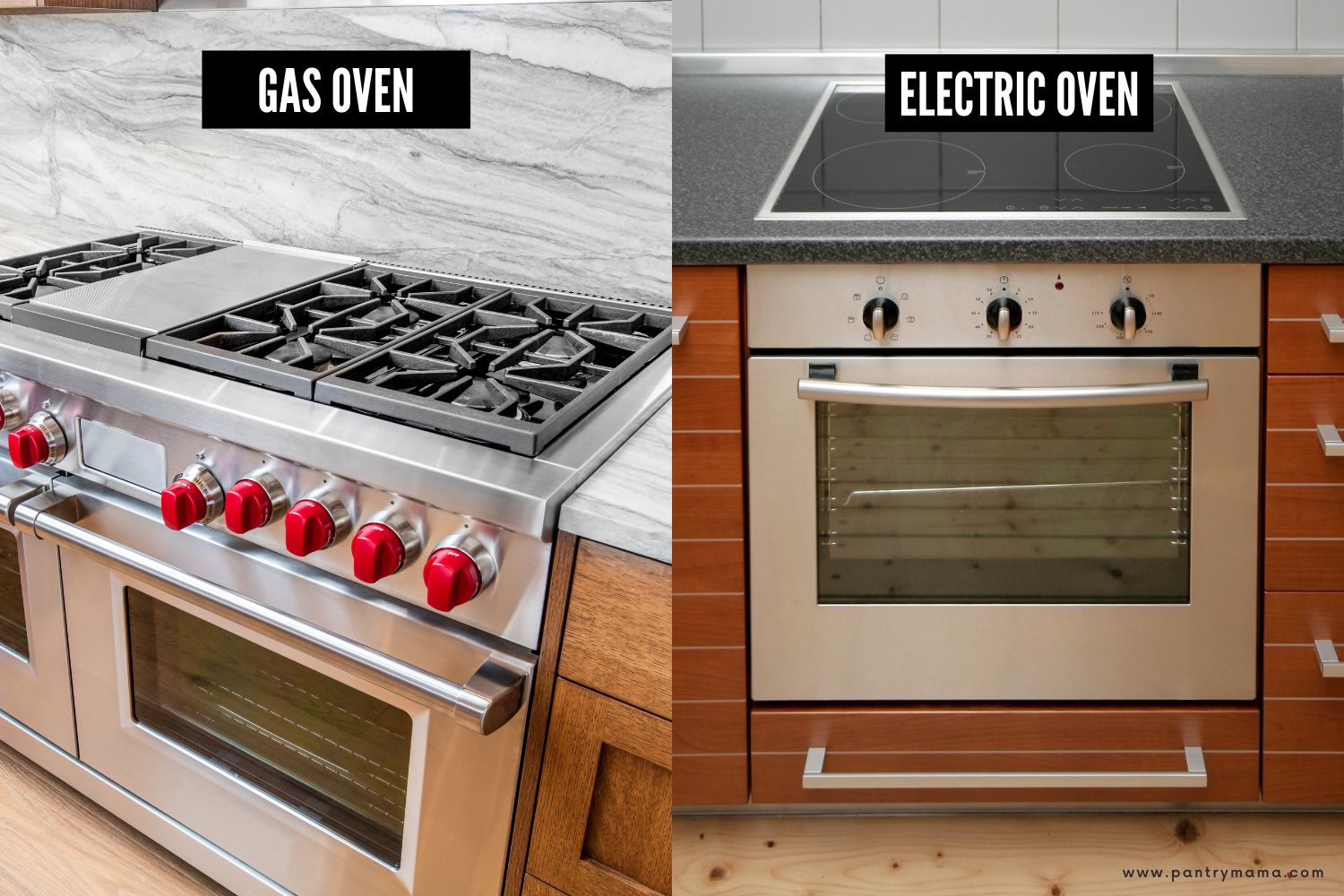
However, that bottom-heavy heat means gas ovens can have more noticeable "hot spots." You might find that the bottom of your cookies browns faster than the top, or that the back corner gets hotter than the front. This just means you might become a pro at rotating your trays halfway through baking, like a seasoned chef tending to their masterpiece!
So, Which One Wins?
Here’s the fun, slightly anticlimactic truth: neither is inherently "better"! They’re just… different. It's like asking if a paintbrush is better than a chisel. Both are amazing tools, but they create different kinds of art.
An electric oven offers precision and evenness, making it a dream for delicate pastries and consistent browning. A gas oven offers moist heat and powerful bottom browning, fantastic for roasts, breads, and anything that loves a good crispy base.
Many passionate bakers actually have strong preferences based on what they bake most often. Someone who lives for fluffy cakes might lean electric, while a bread-making enthusiast might adore their gas oven.
The next time you're whipping up a batch of cookies or roasting a chicken, take a moment to appreciate the unsung hero working behind the scenes. Whether it's the steady hum of electric coils or the gentle roar of a gas flame, knowing a little about your oven’s personality can really help you understand and improve your baking game. Happy baking, friends!