
Baking In A Gas Oven Vs Electric
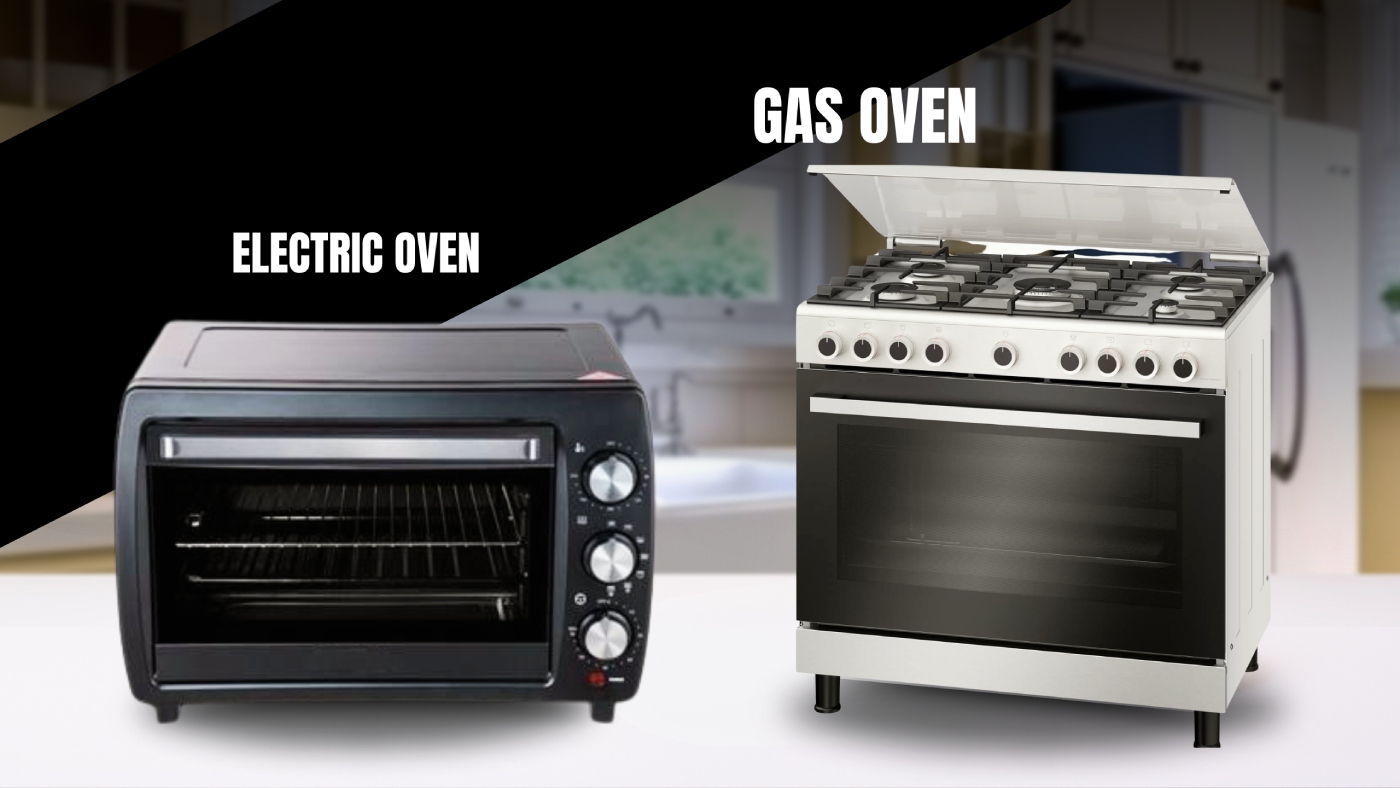
Okay, picture this: I once tried to bake my grandma's famous carrot cake – the one that’s so moist it practically melts? At a friend's new apartment, kitchen gleaming, but the oven... different. I didn't think much of it, just popped the batter in. Forty-five minutes later, expecting golden perfection, I pulled out a dried-out brick. Edges like charcoal, middle still raw. What in the world?! I blamed myself, then thought: Could it be the oven?
Turns out, dear baker, that disaster wasn't entirely my fault (phew!). It was my first proper run-in with the bewildering world of oven types: specifically, the age-old debate of gas vs. electric ovens. We obsess over ingredients, but how often do we consider the very heart of our baking? It’s a big deal! Understanding its quirks can totally transform your baking. Ready to dive into the details?
The Gas Gang: What's the Deal?
The gas oven, ah, the OG! These heat up with a visible flame, usually at the bottom. This creates a moister heat environment (burning gas releases water vapor), a game-changer for certain bakes.
Must Read
If you've got gas, you've probably noticed that lovely hug of moisture. Fantastic for roasts (crispy outside, juicy inside!) and especially breads. That glorious crust on a sourdough? Thank the gas! It prevents drying out too quickly, allowing for better rise and chew.
However, gas ovens are notorious for uneven heating. The bottom flame often means it’s the hottest spot, creating temperature variations. Hot spots are real! One cookie perfect, its neighbor pale. Constant pan rotating. Precise temperature control can also be trickier, as they tend to fluctuate more.
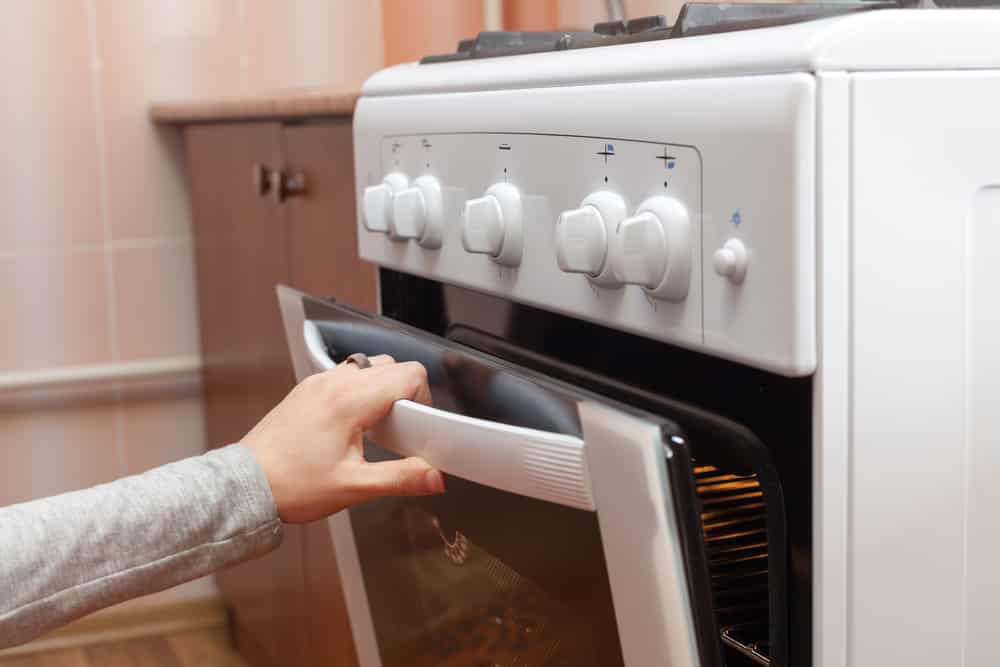
Electric Avenue: Precision Powerhouse?
Now, let’s switch to electric. These ovens heat up using elements, often both top and bottom. Many modern electric ovens also come with a convection fan – a game-changer itself!
Electric ovens are celebrated for their consistent and even heat distribution. No single flame means heat radiates more uniformly. This is fantastic news for delicate bakes where even browning is key, like cakes, cookies, and pastries. Less pan rotation, more consistent results. Electric ovens also offer super precise temperature control, holding that exact degree with admirable stability.
The trade-off? Electric ovens tend to produce a drier heat. Without moisture from burning gas, your bakes can sometimes dry out faster. A dry environment quickly zaps moisture from delicate batters. If a cake turned out tough, this could be why. While convection helps, dry heat is a fundamental difference.

So, Who Wins? (Spoiler: It's Complicated)
Honestly? Neither one is definitively "better." They just do different things exceptionally well! Your choice (or what you have) depends on what you love to bake most.
If you're a bread-baking enthusiast, roast-master, or love hearty casseroles, a gas oven’s moist heat might be your best friend. But if your heart sings for delicate soufflés, uniform cookies, or beautifully risen layer cakes, the consistent, precise heat of an electric oven might be more your jam. And if you have an electric oven with a convection setting, you've basically unlocked a baking cheat code! (Just remember to adjust temps and times down a bit – convection is powerful!).

Your Baking Superpowers: How to Adapt!
You can totally work with whatever oven you’ve got. It’s all about understanding its personality and adjusting your technique.
Got a Gas Oven? Invest in a good oven thermometer. Rotate pans halfway through baking for hot spots. For extra moisture, try a water bath. Team Electric? If dryness is an issue, consider covering bakes with foil partway through. For breads, introduce steam for that elusive crust. Embrace that convection fan – just drop the temperature by 25°F (about 15°C) and reduce baking time by 25% or so.
Ultimately, baking is a journey of discovery, isn't it? My dry carrot cake taught me: the oven isn't just a hot box. It’s a crucial tool with its own quirks. So next time you're whipping up something delicious, appreciate the unsung hero of your kitchen. Experiment and get to know your oven – it might just be the secret ingredient you've been missing!
