Average Us Household Electricity Consumption
You know that feeling, right? The one where the electricity bill arrives, and you slowly peel it open, bracing yourself like you’re about to read a medical diagnosis? My heart literally did a little thump last month when I saw the total. I mean, sure, it was cold, and the heater was running a bit more than usual, but was it really that much more? I started walking around the house like a detective, eyeing every plugged-in device with suspicion. Was it the TV left on standby? The ancient fridge in the garage? My partner’s gaming PC, glowing ominously in the corner? The culprit had to be found!
And then, naturally, my mind drifted to a question I bet you've wondered too: "Is this normal? Am I just bad at adulting, or are other people dealing with similar energy monsters?" That curiosity, my friends, is what sent me down the rabbit hole of trying to figure out what the average US household electricity consumption actually looks like. Let's peel back the curtain, shall we?
So, What's the Big Deal? The Numbers Don't Lie (Much)
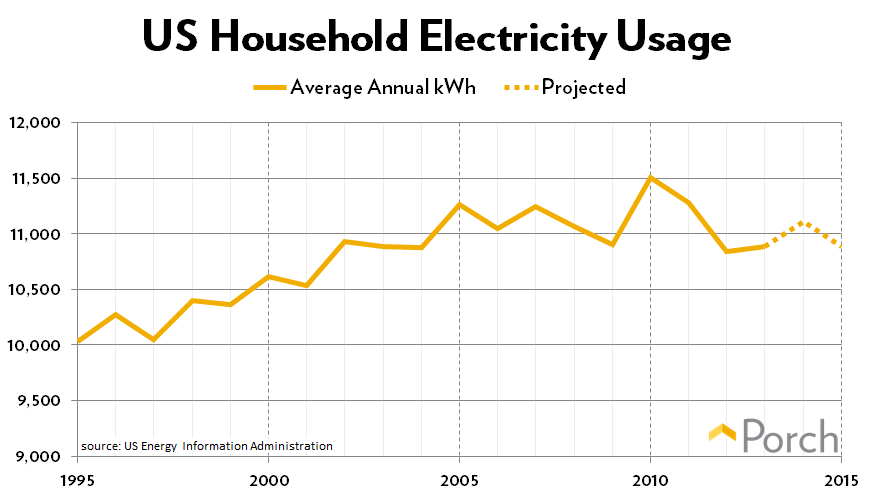
Alright, let's get straight to it. According to the U.S. Energy Information Administration (EIA), the average residential electricity customer in the U.S. uses somewhere around 889 kilowatt-hours (kWh) per month. Yep, almost 900 kWh! To put that in perspective, that's like running a microwave for about 3,000 hours straight. Or, you know, just powering your entire house for a month. It fluctuates a bit year to year, and certainly by state, but that's a pretty solid ballpark figure to anchor ourselves to.
Must Read
So, take a moment. Check your last bill. Are you above average? Below? Right in the sweet spot? No judgment here, just pure, unadulterated curiosity!
The Usual Suspects: Where Does It All Go?
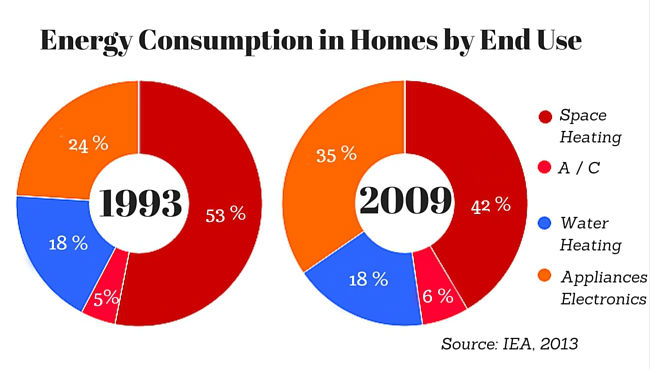
When we're talking about almost 900 kWh a month, it’s not all just from charging your phone. Oh no, there are some real heavy hitters in the mix. Think about what truly heats, cools, and lights up your life:
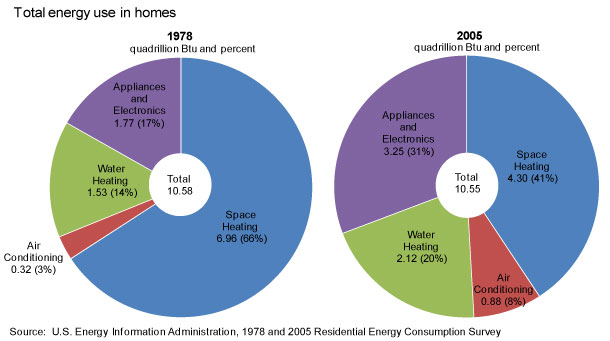
- HVAC (Heating, Ventilation, and Air Conditioning): This is the undisputed champion, folks. Heating and cooling your home can account for more than half of your electricity usage, especially in climates with extreme summers or winters. That AC blasting during a heatwave? That furnace humming all night? They’re chewing through those kWh like nobody’s business.
- Water Heater: Often overlooked, but definitely a contender. Heating water for your showers, dishes, and laundry takes a surprising amount of juice. It's working 24/7, keeping that water toasty for whenever you need it.
- Refrigerator: Another always-on appliance. While modern fridges are more efficient, they're still constantly running to keep your food fresh. If you’ve got a second, older fridge in the garage (guilty as charged!), it could be a real energy hog.
- Lighting: While LED bulbs have dramatically reduced this chunk, every light left on adds up. Remember when your mom used to yell, "Turn off the lights, do you own shares in the electric company?!" Yeah, she had a point.
- Washer and Dryer: Especially the dryer. These guys are energy-intensive, particularly if you’re doing multiple loads a week.
- Electronics: TVs, computers, gaming consoles, chargers for every gadget known to humanity. Even in standby mode, they’re drawing "phantom load." It’s like a tiny, invisible vampire sipping your electricity.
Am I Normal? Factors That Shake Up the Average
Now, just because the average is 889 kWh doesn't mean you're doing something wrong if you're higher or lower. There are so many variables at play, it makes your head spin:
- Geography & Climate: Someone in sunny Florida is going to have vastly different usage patterns than someone in frosty Minnesota. AC vs. Heating, you know?
- House Size & Age: A sprawling McMansion needs a lot more energy to heat and cool than a cozy apartment. Older homes often have less insulation and less efficient windows, too.
- Number of Occupants: More people usually means more showers, more laundry, more lights, more devices. It's simple math!
- Personal Habits: Are you a thermostat warrior? Do you air-dry clothes? Unplug chargers? Or do you leave every light on and the AC at 68 degrees year-round? No judgment, just awareness!
- Appliance Efficiency: Brand-new, ENERGY STAR® rated appliances are a different beast compared to that fridge from the 90s.
A Little Less Zap, A Little More Zing (for your wallet)
So, now that we've demystified the average and pointed fingers at the usual suspects, what can you actually do? It's not about living in the dark or showering in cold water (unless you're into that). It's about being smart.
Consider a smart thermostat to optimize heating/cooling. Switch to LED bulbs if you haven't already. Unplug chargers and electronics when not in use (the phantom load adds up!). Run your dishwasher and laundry full. And maybe, just maybe, open a window instead of blasting the AC on a mild day. Every little bit truly helps, both the planet and that monthly bill.
Ultimately, knowing the average isn't about shaming anyone; it's about understanding where your energy goes and empowering you to make choices. So, next time that bill arrives, you'll be armed with a little more knowledge, and maybe, just maybe, a little less heart-thumping anxiety. Go forth and conquer, my energy-conscious friends!