
Average Solar System Size In Kw
Hey there, sunshine seeker! Ever wonder about the average solar system size in kW? It's a question that sounds super profound, like we're about to measure the entire cosmos with a utility bill. But don't worry, we're not going to try to put Saturn on your roof (mostly because the HOAs would have a fit, and frankly, it's not very efficient for generating electricity).
Let's clear up a little cosmic confusion right from the get-go. When folks ask about the "average solar system size in kW," they're usually not talking about the magnificent, star-studded collection of planets orbiting our sun. No, sir! They're almost certainly referring to a residential solar panel system – you know, the shiny panels that sit on your roof, quietly turning sunlight into sweet, sweet electrons for your toaster and Netflix binges. Big difference, right? One is astronomical, the other is deliciously electrical!
So, What's the "Average" for Your Home's Solar System?
Alright, now that we've saved you the trouble of trying to calculate the wattage of Jupiter (spoiler: it's a lot, and mostly gravitational), let's talk about the kind of solar system that actually makes sense for your house. The "average" really depends on a few key things, and it's less about cosmic averages and more about your home's unique energy appetite.
Must Read
Think of it like this: if your house were a hungry teenager, how many pizza slices (kilowatts) would it need to feel satisfied? A cozy cottage might be happy with a few slices, while a sprawling mansion hosting a full-on gamer convention probably needs the whole pie, plus garlic knots.
Generally, when we talk about residential solar systems, we're looking at sizes expressed in kilowatts (kW). One kilowatt is 1,000 watts, which is enough to power, say, ten 100-watt light bulbs. Or, more realistically, your fridge, TV, and a few other bits and bobs running simultaneously.
The Factors that Determine Your Average
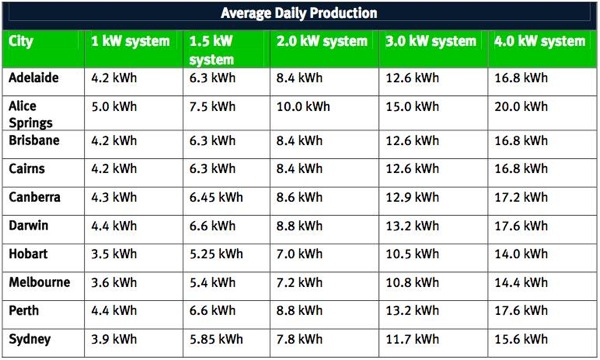
Several things play a role in figuring out the ideal size for your personal sun-catcher:
- Your Energy Bill: This is the big one! How much electricity do you currently gobble up each month? A higher bill usually means you'll need a larger kW system to offset it.
- Roof Space: You can only put so many panels on your roof before it starts looking like a spaceship landing pad (which, let's be honest, would be kinda cool, but maybe not practical).
- Sunlight Exposure: Do you live in a sunny paradise or a perpetually cloudy hamlet? More sun means your panels work harder and you might need fewer of them for the same output.
- Your Budget & Goals: Want to completely eliminate your electricity bill, or just significantly reduce it? Your financial goals play a part, too.
Typical Residential Solar System Sizes
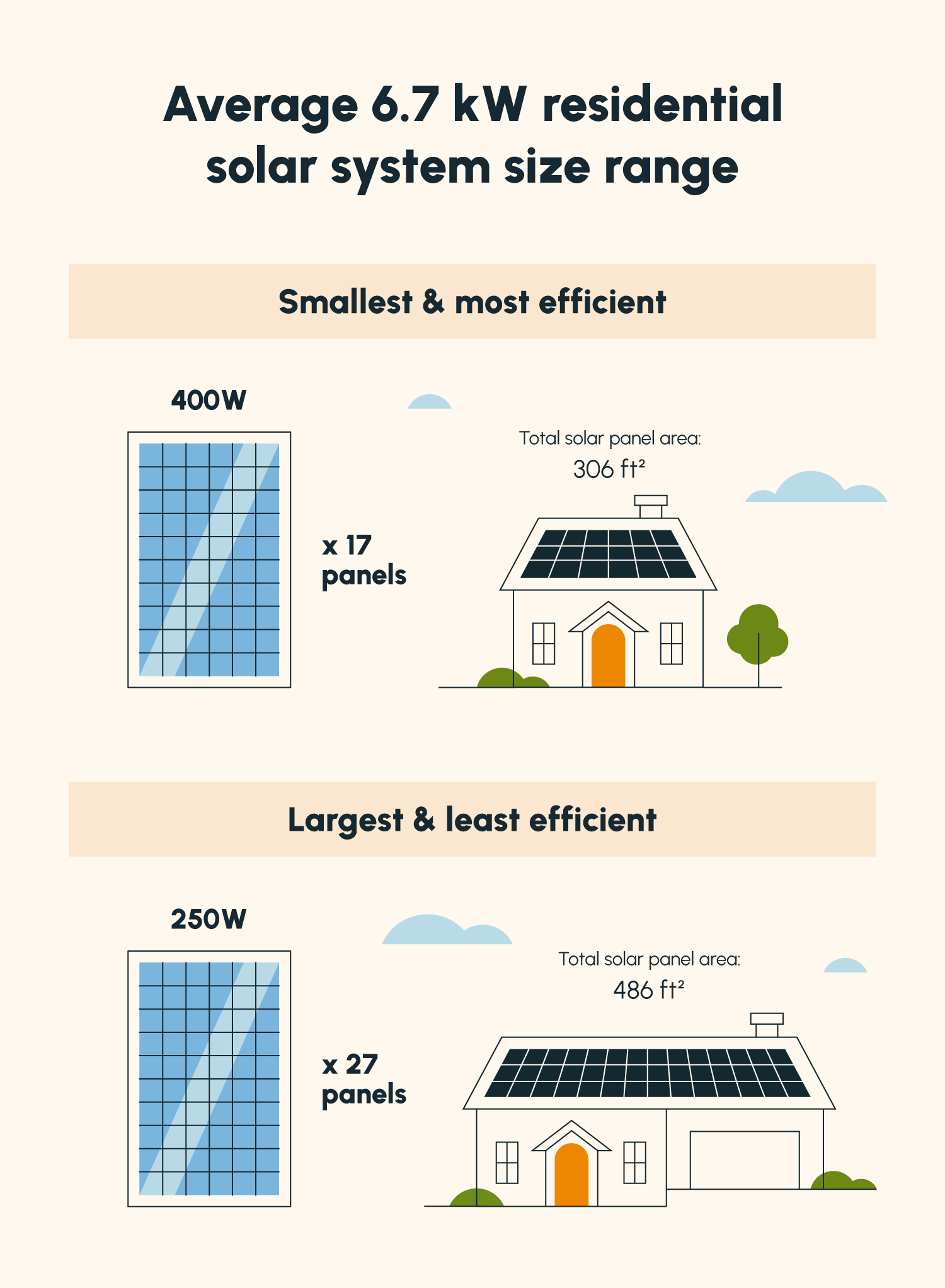
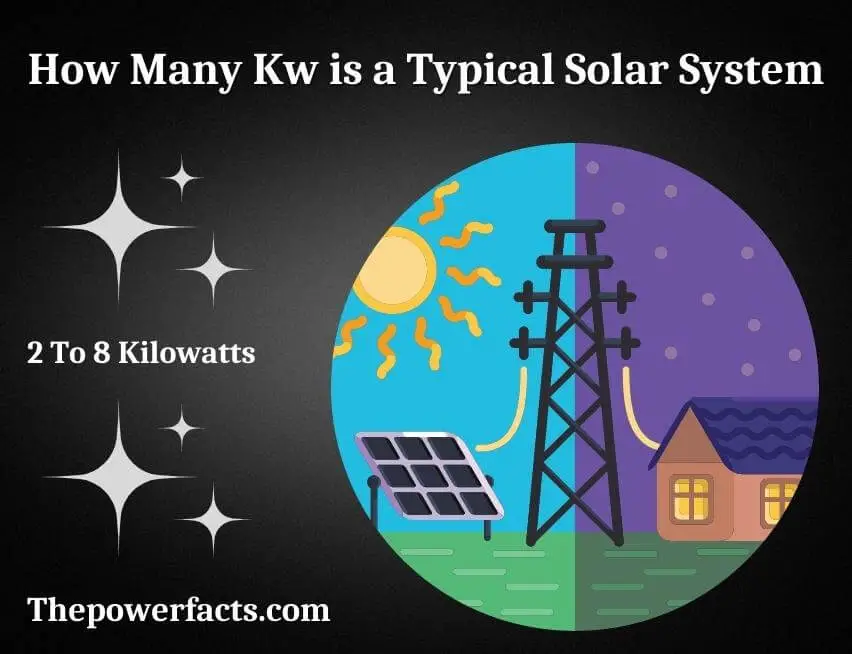
In the grand scheme of things, most residential solar systems fall into a pretty common range. For an average-sized home in the U.S. (and many other sunny spots), you're often looking at systems between 5 kW and 10 kW. Some might be a bit smaller, say 3 kW, for a very energy-efficient dwelling, and others might soar up to 15 kW or more if you've got a huge house, an electric vehicle (or three!), a pool pump, and maybe a secret lair that requires a lot of power.
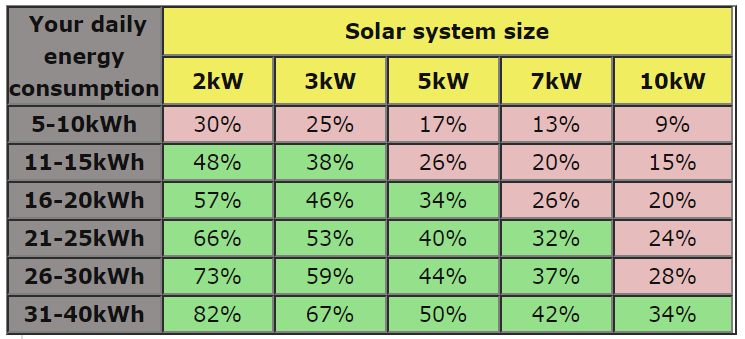
A 6 kW system, for instance, might consist of around 18-20 solar panels, depending on the panel's individual wattage. It's a pretty sweet spot for many families looking to significantly cut down on their energy costs and feel good about their carbon footprint.
So, when someone says "average solar system size," they're probably thinking somewhere in that 5-10 kW sweet spot. But remember, what's "average" for a hypothetical household might be totally different for your wonderfully unique home.
Why Bother with Your Own Personal Sun-Catcher?
Beyond the fun of having a conversation starter on your roof, going solar means serious perks:
- Saving Moolah: Lower or even eliminate your electricity bill. Who doesn't love that?
- Eco-Warrior Status: You're tapping into clean, renewable energy. Mother Earth sends you a high-five!
- Increased Home Value: Solar panels are often seen as a desirable upgrade by homebuyers.
- Energy Independence: Less reliance on the grid, more control over your power. Take that, power outages!
So, the next time you hear "average solar system size in kW," you can confidently nod, knowing we're talking about clever tech on a roof, not measuring the sun's biceps. It's all about tailoring the power of the sun to fit your life, making your home a little more sustainable, a little more independent, and a whole lot more awesome.
Go forth and shine, my friend! May your electrons flow freely and your energy bills be ever dwindling. The future is bright, and it's powered by you!
