
Average Size Of Hot Water Heater
Alright, settle in, grab a cuppa. We need to talk about something crucial, something often hidden away in the basement or a utility closet, silently doing its thing, day in and day out. I'm talking about your hot water heater. Yeah, that big, often-neglected cylinder of destiny.
Most of us probably never give it a second thought until one of two things happens: A) Your shower turns into an arctic expedition mid-lather, or B) It decides to stage its own personal plumbing apocalypse in your home. Both equally traumatic, let's be honest.
But have you ever actually thought about its size? Like, really? Is it a majestic behemoth, a modest marvel, or a tiny titan barely hanging on? It's like the secret identity of a superhero, only instead of fighting crime, it's fighting the cold dread of a Monday morning shower.
Must Read
The Great Gallon Guess: What’s Hiding Down There?
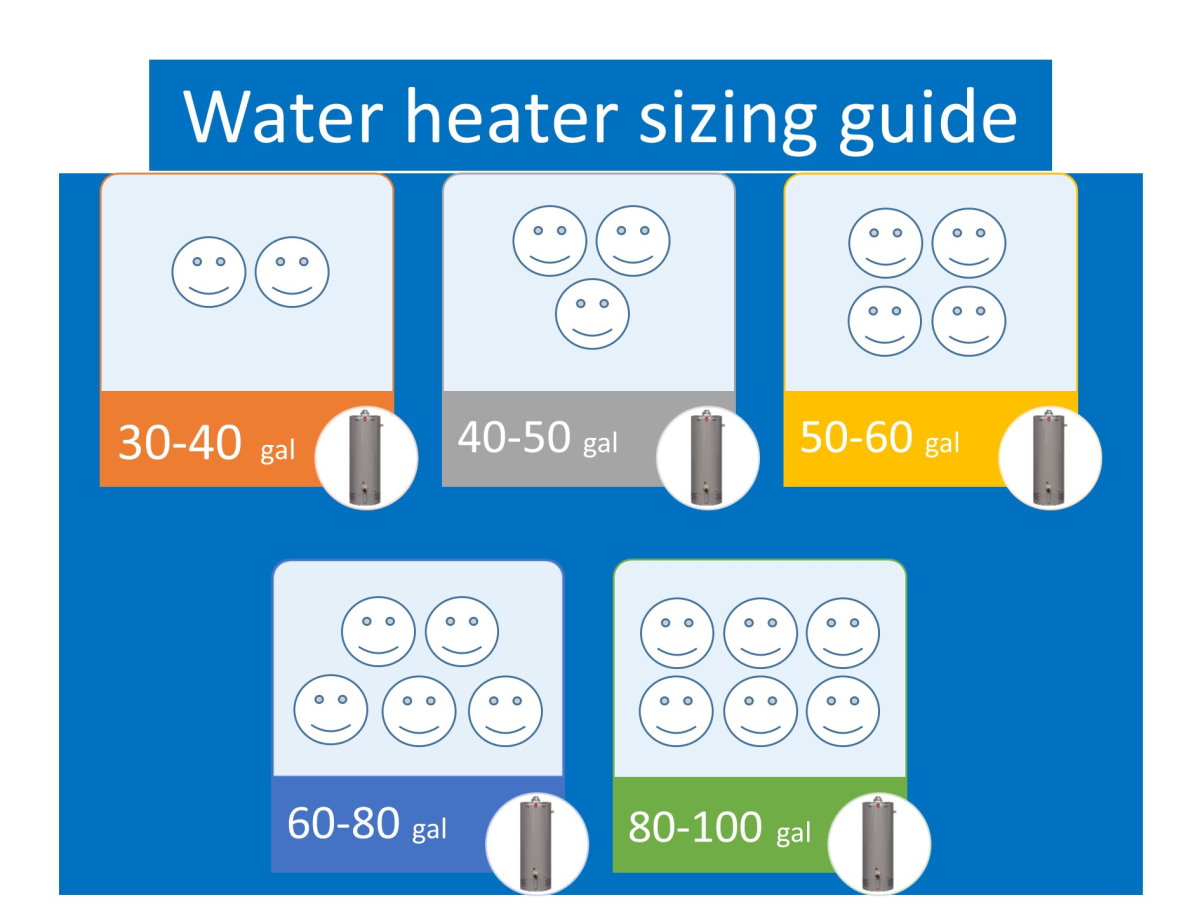
So, what's the average size of this unsung hero? Well, for most residential homes, especially in the good ol' US of A, you're usually looking at something in the ballpark of 40 to 50 gallons. That's right, a solid forty or fifty gallons of glorious, comforting warmth, just waiting for your command.
Think about that for a second. That's like, a small bathtub's worth of water, constantly being heated and held captive, ready for deployment. It's truly a marvel of modern comfort. A 40-gallon unit is often the go-to for smaller families (1-3 people), while a 50-gallon juggernaut steps up for slightly larger crews (3-5 people). It's the Goldilocks zone of hot water supply!
Who Needs How Much Hot H2O? The Family Dynamics of Warmth
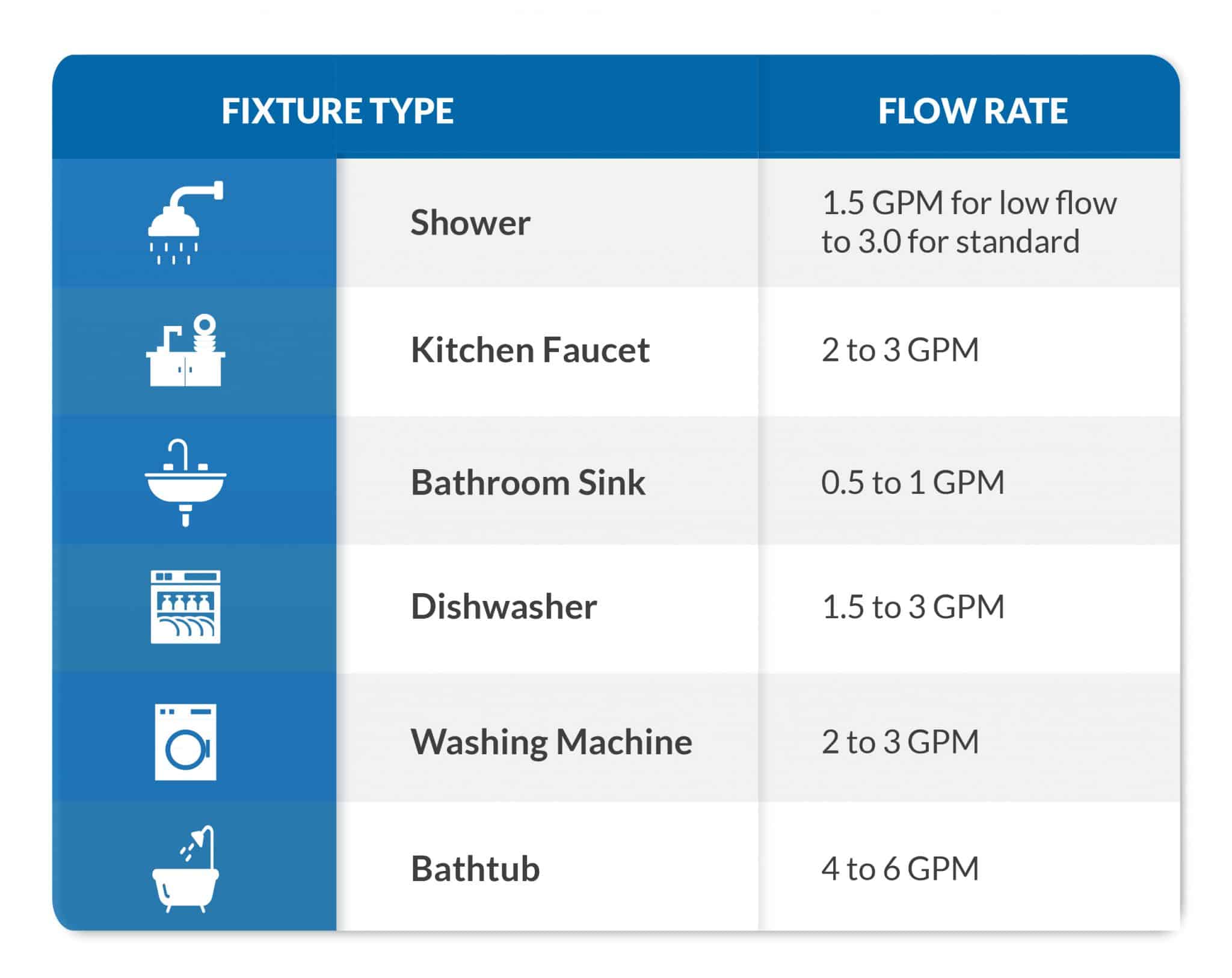
But "average" is a funny thing, isn't it? Like saying the average person has 1.8 children. What does that even look like? Similarly, your perfect hot water heater size depends less on averages and more on your personal, hot-water-hogging habits. It’s a delicate ecosystem, folks.
Let's break down the hot water math, shall we? It's not rocket science, but it feels like it when you're shivering and trying to rinse shampoo out of your eyes.
- Number of People: This is the big one. One person? You could probably make do with a glorified kettle. A family of five with three teenagers who believe in epic, introspective showers? You're going to need something that can handle a small army.
- Number of Bathrooms: Picture this: one person showering, another doing laundry with hot water, and a third running the dishwasher. All at once. That's a hot water stress test! More bathrooms often mean more simultaneous hot water demands.
- Your Personal Hot Water Habits: Are you a quick rinse-and-go type? Or do you emerge from the shower looking like a freshly boiled lobster, having used every last drop? Be honest with yourself. Your hot water heater knows.
If you're constantly running out, even with a seemingly adequate 50-gallon tank, you might have a hot water ninja in your household, silently draining the supply before anyone else gets a sniff.
The Big Vs. The Bigger: Is More Always Merrier?
So, you might think, "Heck, I'll just get the biggest one they make! Problem solved!" And while that sounds appealing in theory – never-ending hot water! – it's not always the most efficient or economical solution. A massive 80-gallon tank heating water for just one person is like driving a Hummer to pick up a single coffee bean. Overkill and inefficient.
The bigger the tank, the more energy it takes to keep all that water hot, even when you're not using it. This is called "standby heat loss," and it's basically your hot water heater subtly picking your pocket all day long. So, getting the right size is a delicate dance between abundance and efficiency.

Enter the Rebel Alliance: Tankless Water Heaters
Now, just when you thought you had a handle on this whole tank thing, let me throw a curveball: tankless water heaters. These sleek, wall-mounted marvels don't store water at all. Instead, they heat water on demand as it flows through. No tank, no standby heat loss, and theoretically, endless hot water (as long as you don't overwhelm its flow rate).
They're like the futuristic, minimalist version of their bulky cousins. Smaller, more energy-efficient, and they free up precious closet space! The catch? They can be a bit pricier upfront and require a more powerful gas line or electrical service. But oh, the joy of a truly endless shower!
The Unsung Hero: Give Your Water Heater a Nod
So, the next time you enjoy a perfectly warm shower, or the dishwasher hums away sanitizing your plates, take a moment to appreciate that big (or small, or tankless) appliance working tirelessly behind the scenes. It's not glamorous, it won't win any beauty contests, but it's fundamentally tied to your daily comfort.
Most homes will happily hum along with a 40 or 50-gallon traditional tank. But understanding your specific needs, and knowing when to go bigger, smaller, or even tankless, can save you from those dreaded cold shower moments and keep your energy bills from spontaneously combusting.
Now, if you'll excuse me, I hear my water heater calling. It's probably wondering if I'm going to run the washing machine and then demand a hot bath. It's a tough life, being a hot water heater.