
Average Price Of Gas Per Month

I swear, just last week, I pulled up to the pump, feeling pretty smug because I thought I remembered seeing the price dip a little. Foolish me, right? I looked up at the big digital numbers, and my jaw practically hit the pavement. It was like they'd decided, "Hey, let's just add another 30 cents per gallon for funsies!" My wallet let out a whimper, and I half-expected to see a tiny hand come out and ask, "Are you sure you want to proceed with this purchase?" It’s a familiar gut punch, isn't it? That moment where you realize your carefully planned budget just got a little... lighter.
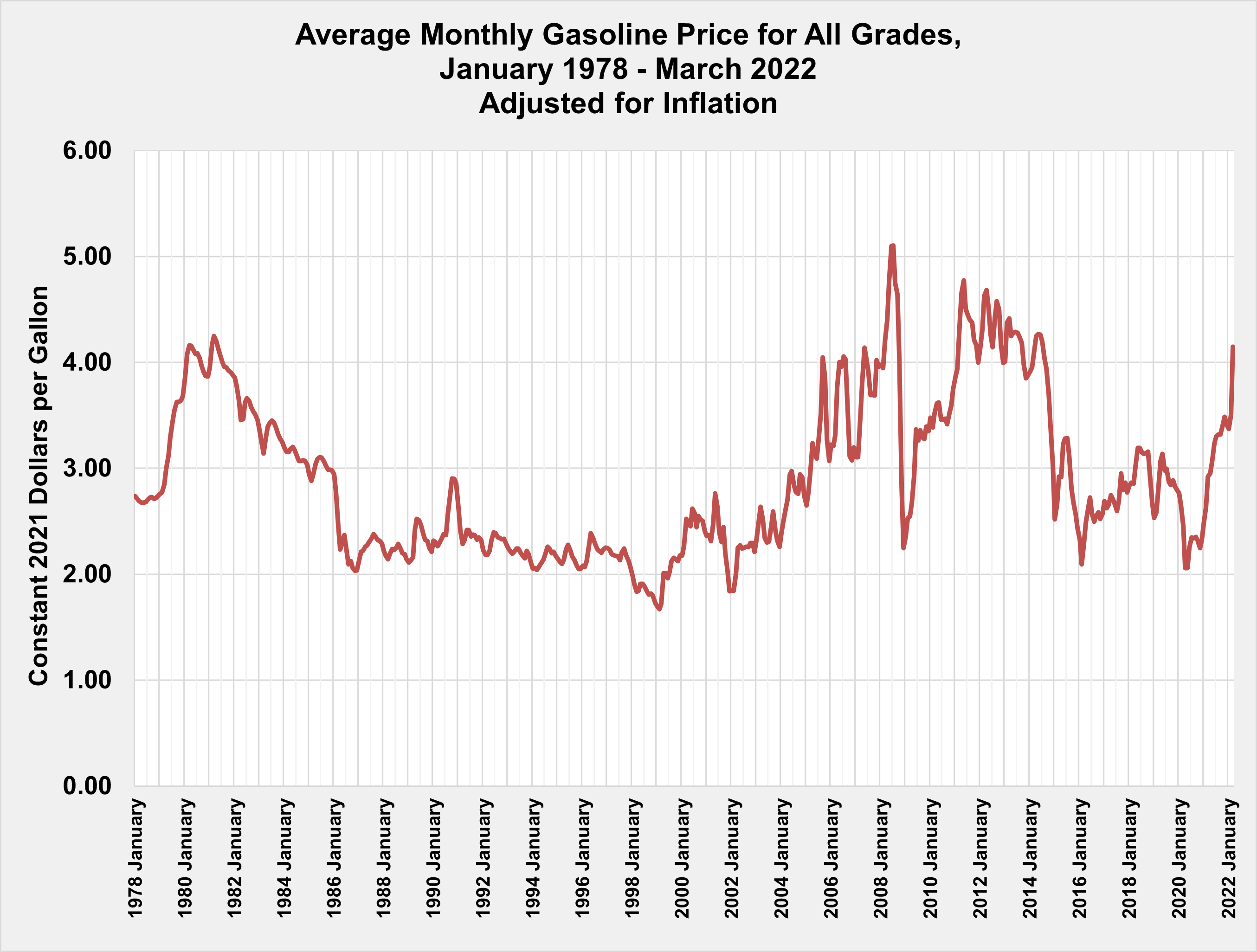
And that’s exactly why we, the humble drivers, often find ourselves squinting at news reports or frantically refreshing apps, trying to get a handle on the dreaded average price of gas per month. Because, let’s be honest, those sudden jumps at our local station feel incredibly personal. But what’s really going on behind the scenes, globally and nationally, to create that elusive "average"?
The Mystical "Average": Who Calculates This Sorcery?
You might think "average" means someone just eyeballs a few stations and calls it a day. Oh, if only it were that simple! Agencies like the EIA (U.S. Energy Information Administration) and AAA actually collect data from thousands of gas stations across the country. They crunch those numbers to give us a national average, sometimes broken down by region or even state. So, when you see a number like "$3.50/gallon average for the month," it's not just a random guess; it's a statistical snapshot.
Must Read
But here's the kicker: that national average rarely reflects the price at your corner pump, does it? Nope. It's a broad strokes painting, while your local station is a highly detailed, often frustrating, portrait of supply and demand in your immediate area. Kind of like saying the average temperature across the US is 60 degrees in April, while you're either sweating in Florida or shoveling snow in Montana. Perspective is everything!
The Usual Suspects: Why Prices Go Wild
So, what are the big players in this monthly price drama? It’s not just one thing, but a cocktail of factors that decide whether you’re paying an arm or a leg for a fill-up.
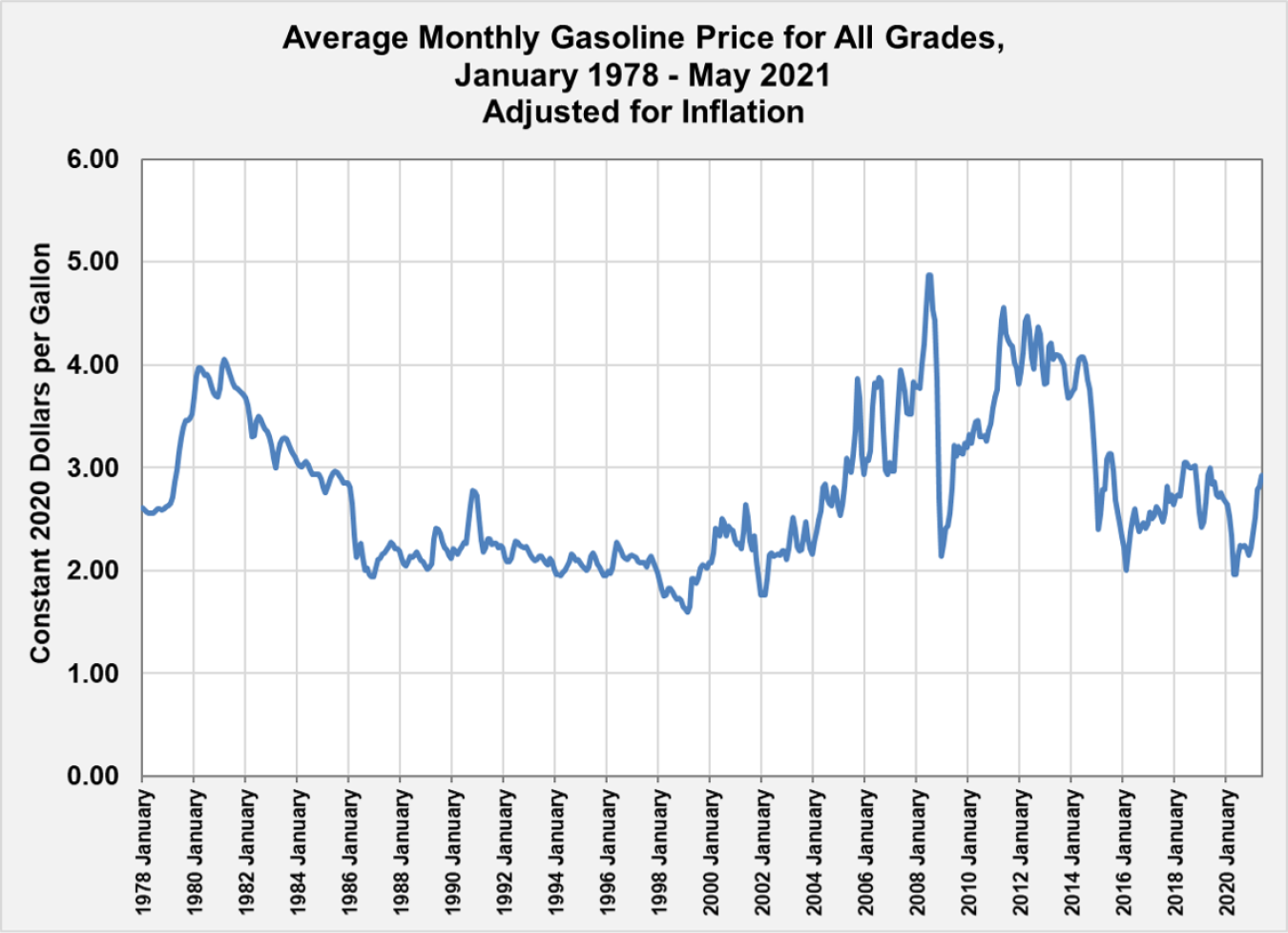
- Crude Oil Prices: This is the big kahuna. About 50-60% of what you pay at the pump is directly tied to the cost of crude oil. Global events – wars, political instability, decisions by OPEC+ – can send these prices soaring or plummeting.
- Refinery Costs: Turning crude oil into usable gasoline isn't magic; it's a complex, expensive process. Refinery capacity, maintenance, and operating costs all play a part. Sometimes a major refinery goes offline for maintenance (or an unexpected hiccup), and suddenly, supply tightens, prices climb.
- Distribution & Marketing: Getting the gas from the refinery to your local station involves pipelines, trucks, and all sorts of logistics. Plus, the gas station needs to make a profit, right? These costs add their own little slice to the pie.
- Taxes: Ah, taxes. Federal, state, and sometimes even local taxes are baked into every gallon. These can vary significantly from state to state, which is why your buddy in Oregon might pay noticeably less (or more!) than you do in California.
Then there’s demand. Summers? Holidays? Everyone’s on the road, so demand shoots up. More demand often means higher prices. It's basic economics, but oh-so-painful when you're planning that much-needed road trip.
It's Not Just About Your Car, Buddy
You might think, "Okay, so my commute costs a bit more. Annoying, but whatever." But the average price of gas per month has a ripple effect that touches everything. Think about it:
- Grocery Prices: Those fresh veggies? They were driven to the store. Higher fuel costs for delivery trucks mean higher prices for your bell peppers.
- Online Shopping: That package you ordered? It traveled. Shipping costs go up, and eventually, that trickles down to you.
- Travel Plans: Road trips, flights (jet fuel isn't cheap either!), public transport fares – they all feel the pinch.
It’s a constant reminder that we’re all connected, and a price shift at the pump isn't just about personal inconvenience; it's about the broader economy doing a little jig.
So, What's a Driver to Do?
Honestly? You can't control global oil markets (unless you're, like, a super powerful oil baron, in which case, call me!). But you can be smart about your own consumption. Group errands, check gas price apps (like GasBuddy) before you fill up, maintain your vehicle for better fuel efficiency, or maybe even embrace public transport or carpooling a bit more.
Ultimately, keeping an eye on the average price of gas per month isn't just about morbid curiosity; it's about staying informed. It helps you understand the bigger picture behind those numbers at your local pump and, perhaps, strategize a little better for your own wallet. Now, if you'll excuse me, I think I hear my car demanding a sacrifice at the gas station altar again. Wish me luck!

