
Average Output Of Nuclear Power Plant
Ever woken up on a chilly morning, stumbled to the kitchen, and flipped on the kettle for that life-saving cup of tea or coffee? Poof! Instant warmth, instant wake-up. We use electricity all day long without thinking much about where it comes from, right? From charging our phones to binge-watching our favorite shows, it's just... there.
But have you ever stopped to wonder about the silent giants working behind the scenes to keep our world humming? Today, let's chat about something pretty cool and often misunderstood: the average output of a nuclear power plant. Don't worry, we're not diving into rocket science here, just having a friendly natter about big power and why it matters to you and me.
The Mighty Megawatt: What's It All Mean?
Okay, let's get to the juicy bits. When we talk about a power plant's "output," we're essentially asking: how much electricity can it make? Power is measured in watts, and when we're talking about something as big as a power plant, we bump that up to megawatts (MW). Think of a single lightbulb using maybe 10-60 watts. A megawatt is a whopping one million watts!
Must Read
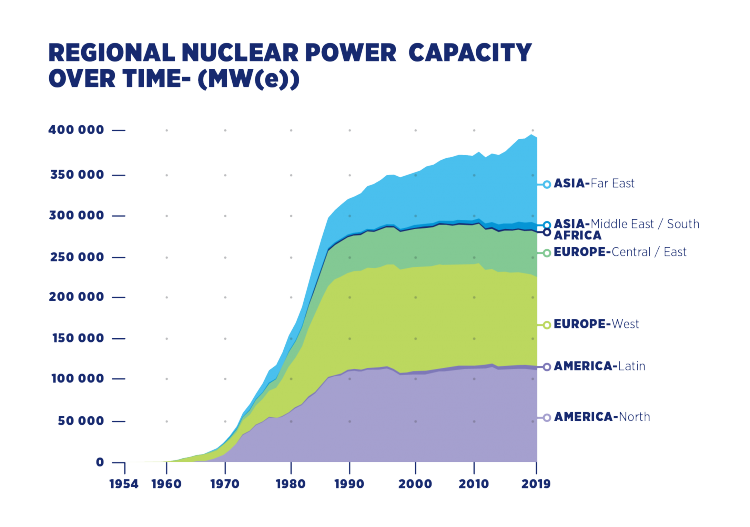
While there's no single "average" because plants vary in size and age, a typical large nuclear power plant might generate around 1,000 to 1,500 megawatts (MW) of electricity. That's a huge range, but let's just pick a nice round number like 1,000 MW for our chat today. Sounds like a big number, right? What does that even mean for your daily life?
Putting 1,000 Megawatts into Perspective
Imagine this: that 1,000 MW from just one nuclear power plant is enough to keep the lights on and the gadgets buzzing in roughly one million homes! Yes, you read that right. Imagine an entire bustling city, maybe even a small country, all powered by just one of these amazing facilities. That’s like giving every single person in a city the size of Dallas, Texas, their own personal power outlet, all from one source.
To put it another way, if you wanted to power those same million homes with just your average rooftop solar panels, you’d need an incredible amount of land covered in panels, and you'd still have to worry about nighttime or cloudy days. Or, if you were relying solely on wind turbines, you'd need hundreds, perhaps even thousands, depending on how windy it is!
A nuclear plant, on the other hand, is a bit like that giant, super-efficient coffee maker that can brew enough java for an entire office building, non-stop, without ever running out of beans (or, in this case, fuel).
Why So Much Power, and Why Should I Care?
So, why should you, a busy person who probably just wants their phone charged, care about this massive power output? Well, for a few big reasons, my friend!
1. The Reliability Factor: No More "Oops, the Lights Are Out!"
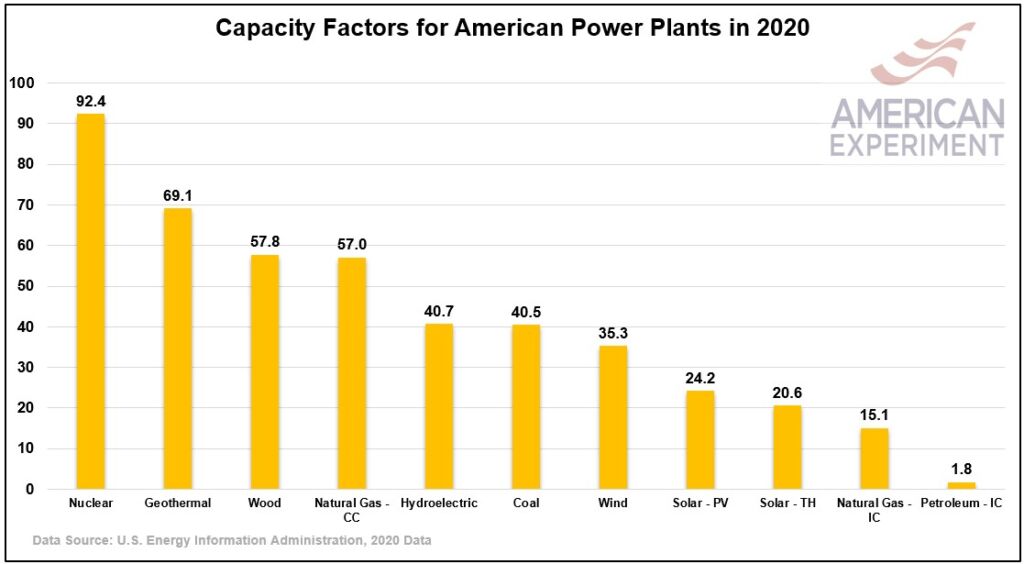
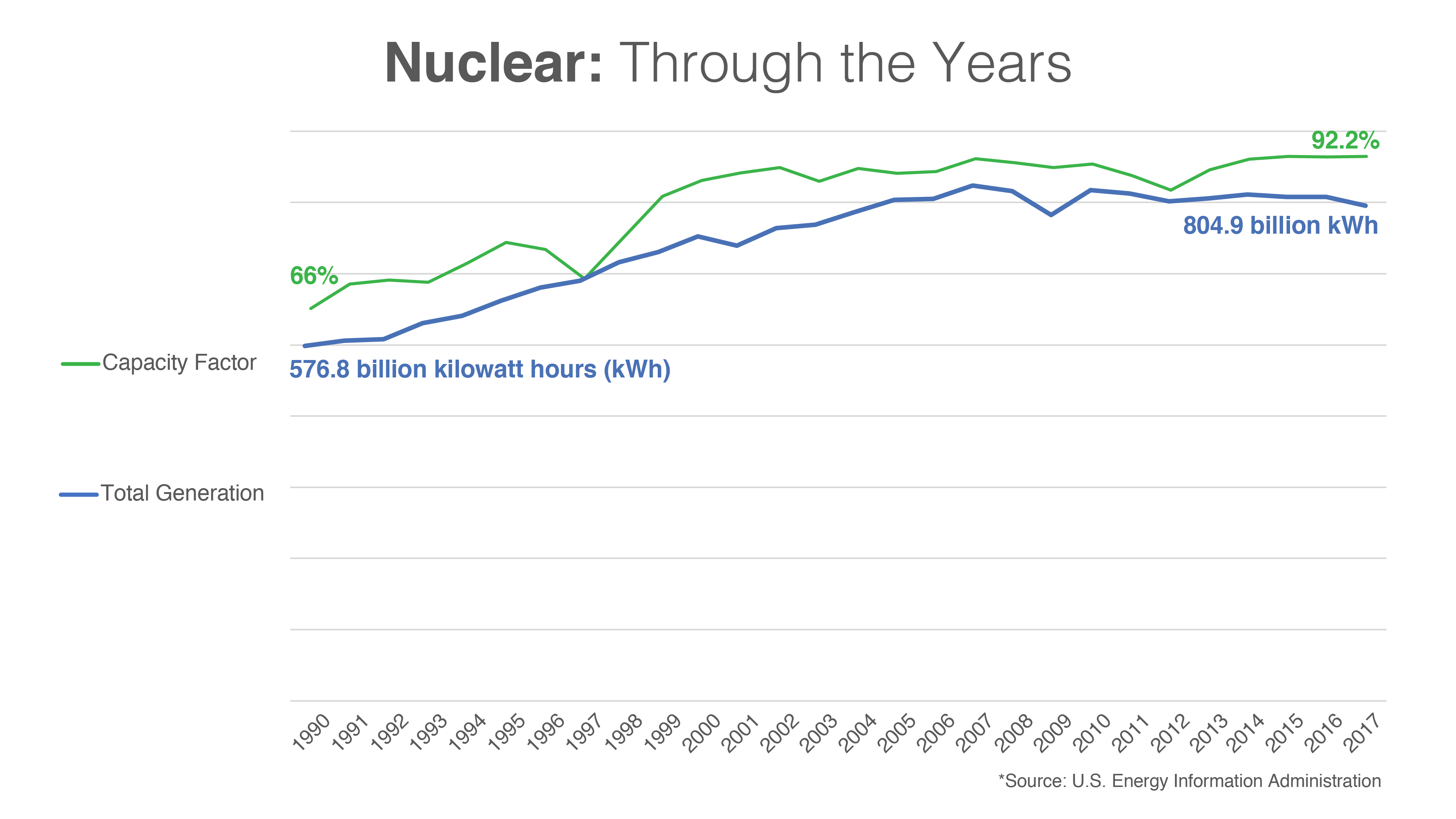
Nuclear plants are like the dependable friend who always shows up, come rain or shine. Or, more accurately, wind or no wind, sun or no sun. They operate 24/7, year-round, generating a steady, consistent stream of electricity. No need to worry if the wind isn't blowing or if it's a cloudy day; these plants keep chugging along, ensuring your Netflix doesn't buffer during the climax of your show and, more importantly, hospitals stay powered up, and traffic lights keep working.
Think about how frustrating it is when the power goes out. Nuclear power helps minimize those "oops" moments by providing a constant, reliable baseline of electricity that modern life absolutely depends on. It's the sturdy backbone of our energy grid.
2. Green Powerhouse: A Nod to Our Planet
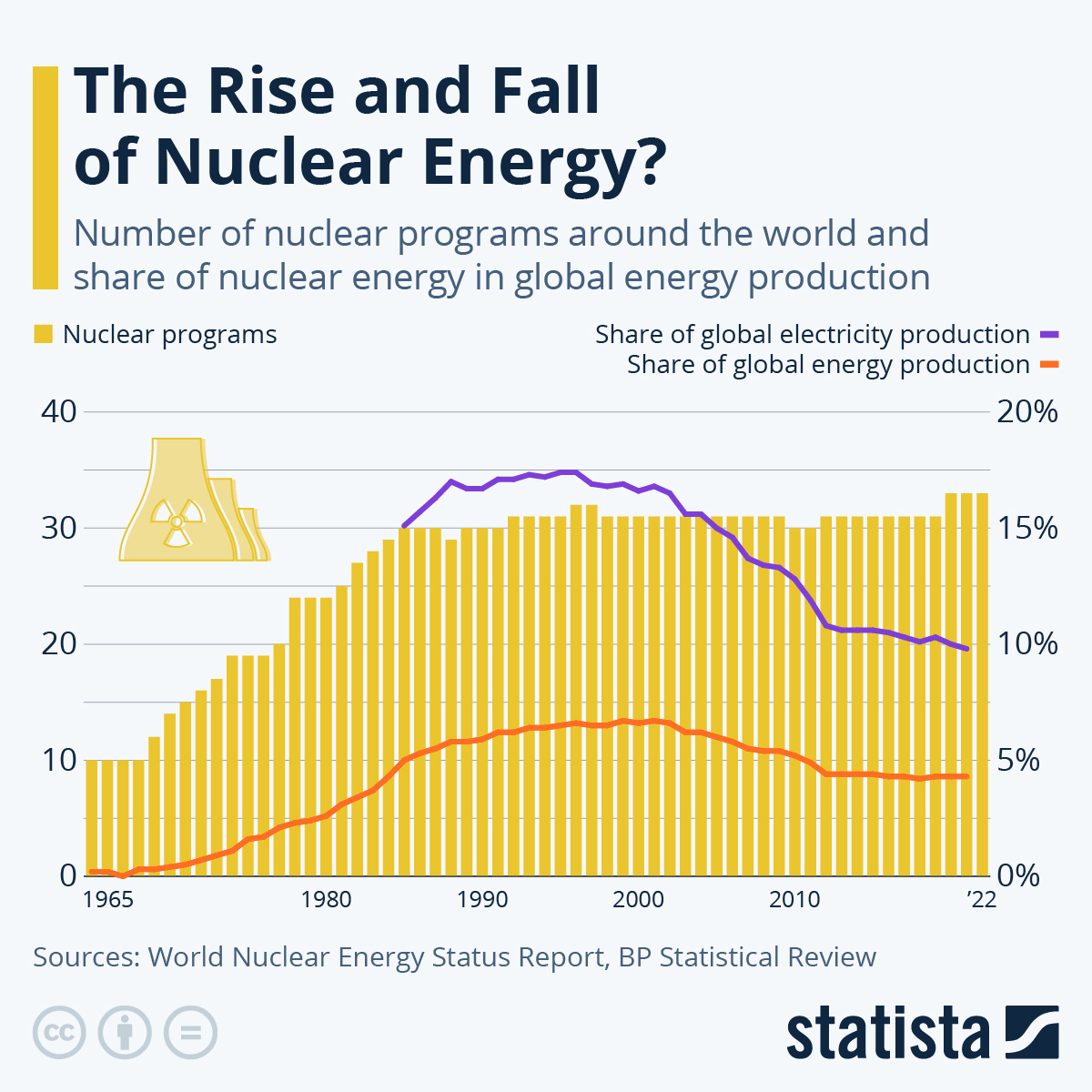
Here's a fun fact that might surprise some: nuclear power plants don't emit greenhouse gases like carbon dioxide during operation. That's right! They're a carbon-free source of electricity. While the construction and fuel processing have an environmental footprint, the actual generation of power is remarkably clean in terms of air pollution.
This means they play a crucial role in reducing our reliance on fossil fuels and fighting climate change. It’s like having a superhero that powers your home without puffing out a single plume of smoke. That's a pretty big deal for keeping our planet healthy for future generations.
3. Supporting Our Modern Life: Beyond the Light Switch
That enormous output isn't just for your TV. It powers everything from massive data centers (where all your internet magic happens!) to manufacturing plants, schools, hospitals, and our entire transportation infrastructure. It supports industries that create jobs and keeps our economy moving.

Imagine trying to run a smart city with electric cars, high-speed internet, and advanced medical facilities without a consistent, abundant source of power. Nuclear power is a foundational piece of that puzzle, allowing us to innovate and live the high-tech lives we've come to expect.
The Takeaway: Small Talk, Big Power
So, the next time you plug in your phone, flip a light switch, or enjoy a perfectly chilled drink from your fridge, take a tiny moment to appreciate the incredible engineering and immense power behind it all. That average nuclear power plant isn't just a big building; it's a reliable, clean powerhouse that's quietly working around the clock to keep our modern world connected, comfortable, and moving forward.
It's a testament to human ingenuity, ensuring that even on the stillest, darkest days, the power is always on. And knowing that, well, that's pretty cool, isn't it?