
Average Monthly Money Left Over After Bills
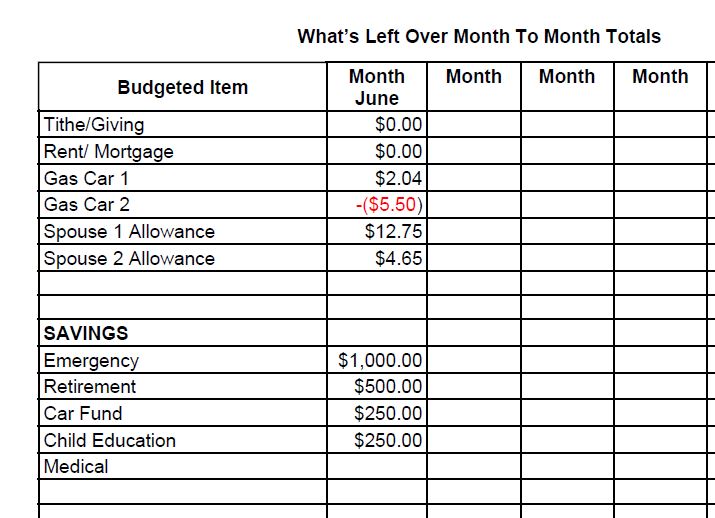
Ever wonder where your money goes after all the bills are paid? That mystical "leftover" amount, the potential gateway to fun, freedom, or maybe just a slightly less-stressed Tuesday?
The Great Leftover Mystery
It's a financial enigma, isn't it? One minute you're staring at your paycheck, full of hope and possibility.
The next, it's like a ninja of expenses has silently struck, leaving you wondering if you dreamt the whole thing.
Must Read
What's "Average" Anyway?
So, what is the average amount of money people have left over after bills? Well, buckle up, because the answer is... it depends! Seriously, it's a wild, wild west of incomes, expenses, and personal spending habits.
You'll find all sorts of figures floating around, but remember, averages can be deceiving. One billionaire can seriously skew the results, making it look like everyone else is rolling in dough when they're actually clipping coupons for cereal.
Location, location, location! Someone living in bustling New York City will have vastly different expenses than someone in rural Kansas.
The Myth of the "Normal" Leftover
There's no such thing as a "normal" amount of leftover money, despite what any article or financial guru might suggest. Your situation is uniquely yours.
Don't compare yourself to the Joneses (unless the Joneses are secretly struggling, in which case, maybe offer them a casserole?). Focus on your financial picture.
Consider your individual debts, lifestyle, and income.
Beyond the Numbers: The Feel-Good Factor
Here's where it gets interesting. The amount of money you have left over isn't just about the numbers. It's about the feeling it gives you.
![20+ Average Monthly Expense Statistics [2023]: Average Household](https://www.zippia.com/wp-content/uploads/2023/06/monthly-expenses-by-average-share-of-income.png)
Think about it: $100 leftover might feel like a victory if you've been scraping by. But $100 leftover when you were expecting $500? A tiny tragedy!
It's all relative. That "leftover feeling" is a huge part of our overall financial well-being.
The Unexpected Joy of Small Wins
Sometimes, the best part of having money left over is the choice it gives you. Suddenly, that impulse buy of fancy cheese feels less like a guilty pleasure and more like a well-deserved treat.
It's about the little freedoms: a spontaneous coffee date, a new book, donating to your favorite charity.
These moments of small joy can have a big impact on our happiness.
The Art of "Leftover" Budgeting
So, how do you increase your leftover stash? This is where budgeting comes in. But don't run screaming! Budgeting doesn't have to be a joyless exercise in deprivation. Think of it as a roadmap to your dreams.
Start by tracking where your money is actually going. You might be surprised to discover hidden expenses lurking in the shadows (subscription services, anyone?).
Then, prioritize. What's truly important to you? What can you cut back on without sacrificing your sanity?

The Latte Factor and Other Urban Legends
Ah, the infamous "latte factor." The idea that small, daily expenses are secretly draining your bank account. While there's some truth to it, don't beat yourself up over every little indulgence.
Life is meant to be enjoyed! The key is balance. Maybe skip the latte one day and use that money for something else you value.
Don't let anyone shame you for enjoying a simple pleasure.
The "Leftover" as a Safety Net
One of the most valuable things you can do with your leftover money is build an emergency fund. This is your financial superhero, ready to swoop in and save the day when unexpected expenses arise (car repairs, medical bills, etc.).
Having a safety net can drastically reduce stress and anxiety. It allows you to sleep better at night.
Start small, even $25 a month can grow over time. It makes a huge difference in your sense of security.
Investing for the Future: Leftovers at Work
Once you have a solid emergency fund, consider investing some of your leftover money for the future. This can seem intimidating, but it doesn't have to be complicated.
There are many user-friendly apps and platforms that make investing accessible to everyone. Even small amounts can grow over time thanks to the power of compounding.
Think of it as planting seeds for your future financial garden.
The "Leftover" Mindset: Abundance vs. Scarcity
Your mindset about money can have a huge impact on how you feel about your "leftover" situation. Do you focus on what you don't have, or do you appreciate what you do have?
Cultivating a sense of gratitude can make you feel richer, even if your bank account doesn't reflect it.
It is more than just money and financial freedom.
Finding the Fun in Financial Planning
Financial planning doesn't have to be boring! Make it a game, challenge yourself to save a certain amount each month, or celebrate your milestones with small rewards.
Find a financial buddy to keep you motivated and accountable.
Turn it into a fun adventure! Even looking into options of earning more income online.
The Power of Small Changes
You don't have to make drastic changes to see a difference in your leftover money. Small, consistent efforts can add up over time.

Review your subscriptions, negotiate your bills, and pack your lunch instead of eating out. It’s that simple.
Small changes, big impact!
The Real Treasure: Financial Peace of Mind
Ultimately, the goal isn't just to have more money left over. It's to achieve financial peace of mind. To feel confident and secure about your financial future.
That's the real treasure. The freedom to pursue your passions, spend time with loved ones, and live life on your own terms.
It's about finding a sense of calm and control in a world that often feels chaotic. Knowing where your money goes, and how to make the most of it.
Celebrate Your Wins (No Matter How Small)
Acknowledge and celebrate your financial wins, no matter how small. Did you pay off a credit card? Did you stick to your budget for a month? Did you resist the urge to buy that unnecessary gadget?
Pat yourself on the back! You deserve it.
Recognizing your progress will help you stay motivated and committed to your financial goals. Rewarding yourself appropriately and enjoying life to its fullest.