
Average Kilowatt Hours Per Household Per Day
Okay, picture this: last night, I'm trying to make popcorn (crucial, right?), and the lights flicker. Just for a second, but enough to make me spill half the kernels. My immediate thought? "Ugh, is this my bill creeping up to haunt me?" We've all been there, haven't we? That little pang of electricity guilt. That made me wonder: just how much juice are we all sucking out of the grid on a daily basis?
So, let's talk kilowatt hours (kWh) – the metric of modern life, apparently. We're gonna break down the average household's daily energy consumption. It's more interesting than it sounds, I promise! (Or at least more relevant than that cat video you just scrolled past.)
The Average Daily kWh Consumption: A Moving Target
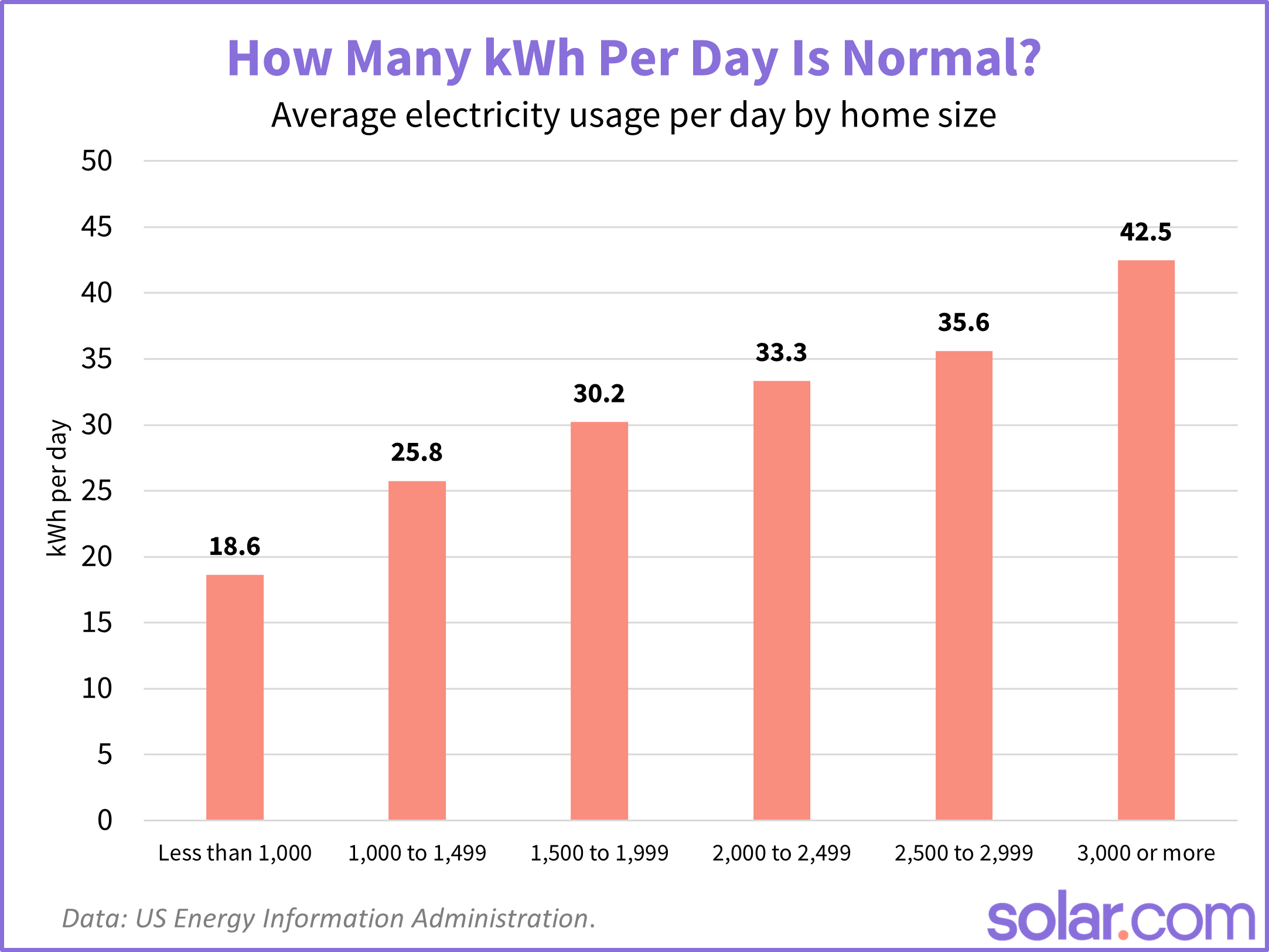
Alright, the big question: what's the average? Well, it's not a straightforward answer. It really depends. Think about it – a family in sunny Arizona cranking the AC all day is going to use way more energy than a single person in a Seattle apartment who barely turns on the heat. Generally, the average US household uses around 30 kWh per day. That's a ballpark figure, though. Don’t freak out if you’re a little above or below!
Must Read
But... that number is constantly in flux. Energy efficiency standards are getting better, but we're also plugging in more devices than ever before. Smart fridges, anyone? I’m still on my regular fridge, thank you very much!
Factors That Impact Your Daily kWh Use
Let's dive into the nitty-gritty. What makes your energy usage spike or plummet? Here are a few key culprits:
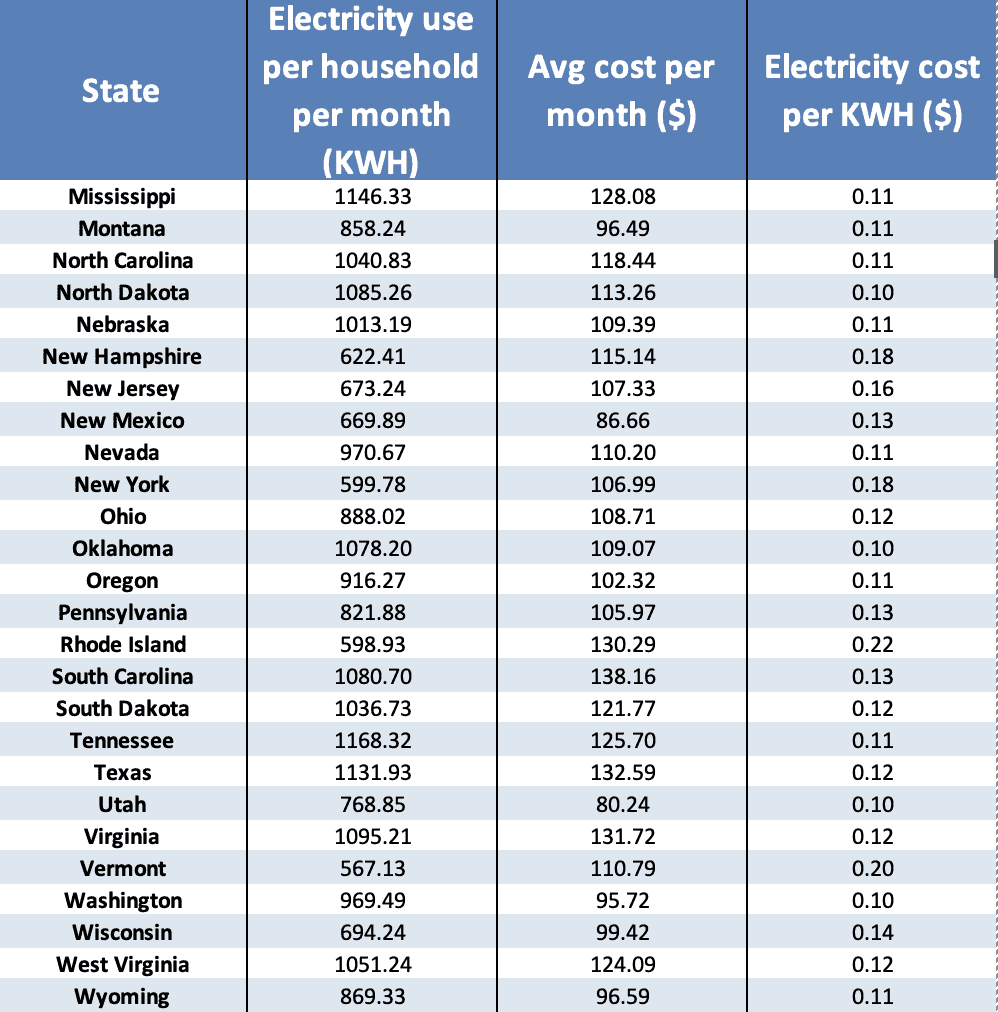
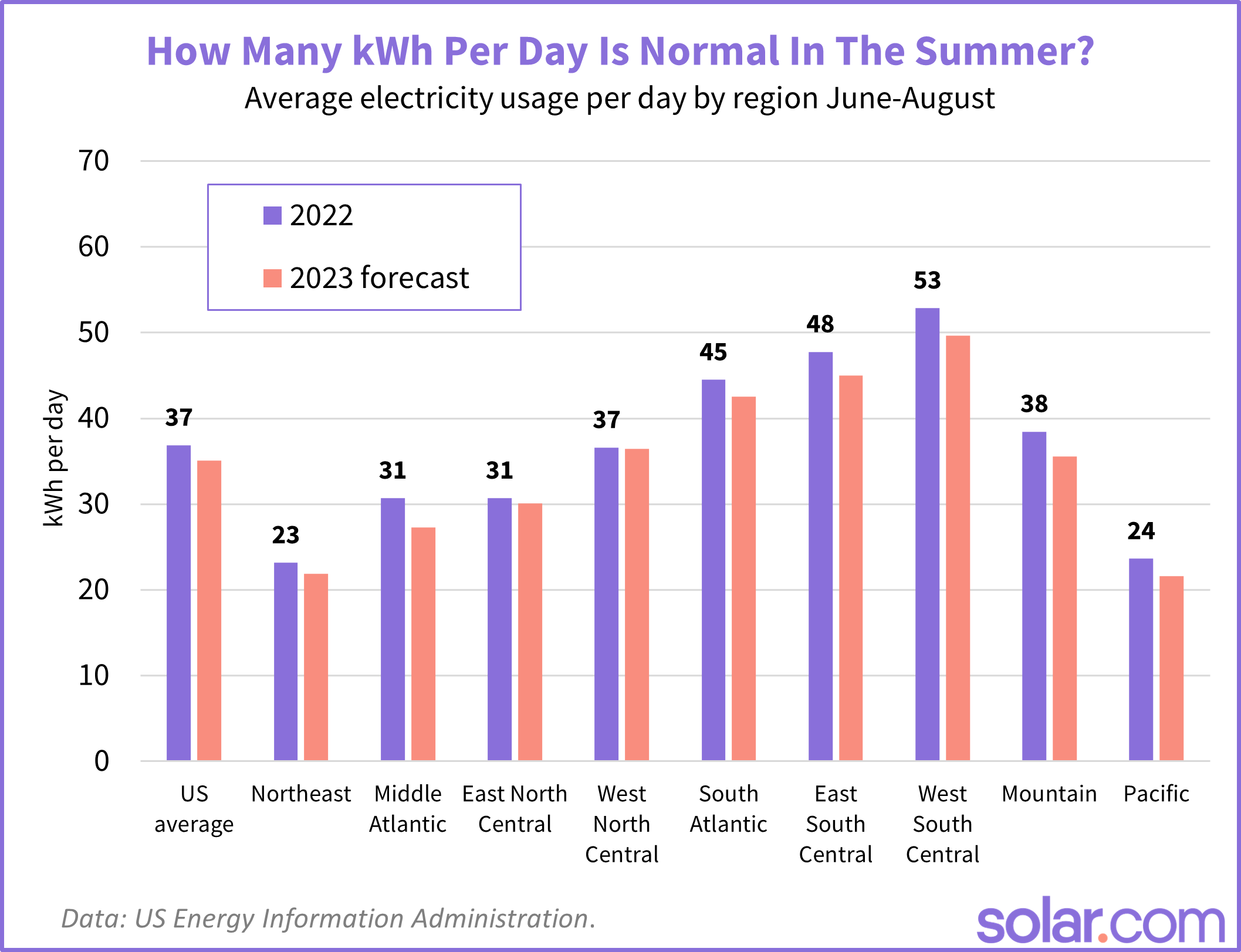
- Location, Location, Location: This is huge. Climate dramatically affects heating and cooling needs. Colder winters and hotter summers equal higher energy bills. (Sorry, folks in Minnesota and Texas!)
- Household Size: More people = more showers, more laundry, more lights on. Makes sense, right?
- Appliance Efficiency: That ancient refrigerator you inherited from your grandma? Probably an energy hog. Newer, Energy Star-certified appliances are significantly more efficient. I'm talking night and day difference.
- Lifestyle: Are you a work-from-home power user with multiple monitors? Or someone who's rarely home and primarily uses energy on weekends? Your lifestyle plays a massive role.
- Home Size and Insulation: A poorly insulated house leaks energy like a sieve. Even a small apartment with bad insulation can rack up a surprising bill.
Think about your own situation. Which of these factors apply to you? It's a fun (and potentially eye-opening) exercise.
Beyond the Average: Understanding Your Own Energy Use
Okay, so the average is 30 kWh. Great. But what does your usage look like? The best way to find out is to check your electricity bill. Most providers break down your usage over time. You can see trends, identify spikes, and pinpoint potential problem areas. (Like, maybe that space heater you leave running all day while you're at work.)
Another handy trick? Get a smart meter. Many utilities are offering these now. They provide real-time data on your energy consumption, allowing you to see exactly how much energy you're using at any given moment. It's like having a personal energy coach! (Except it doesn't yell at you when you leave the lights on... probably.)
Saving Energy: Small Changes, Big Impact
So, you've discovered you're using more energy than the "average" household. Don't panic! There are tons of easy ways to cut back. We're talking low-hanging fruit here. I mean, who doesn't love to save a little money?

- Switch to LED bulbs: This is a no-brainer. LEDs use a fraction of the energy of traditional incandescent bulbs.
- Unplug phantom loads: Devices that are plugged in but not in use (chargers, TVs, etc.) still draw power. Unplug them when you're not using them.
- Use a smart thermostat: Program it to automatically adjust the temperature when you're away or asleep.
- Wash clothes in cold water: Hot water uses a ton of energy.
- Air dry your clothes: Skip the dryer whenever possible. Your clothes (and your wallet) will thank you.
These are just a few ideas to get you started. The key is to be mindful of your energy use and make small changes over time. It's not about living in the dark ages (unless you're into that sort of thing), but about being more conscious of your consumption.
Ultimately, knowing your average daily kWh usage is a powerful tool. It allows you to understand your energy habits, identify areas for improvement, and ultimately save money (and help the planet!). So go forth, check your bill, and become an energy-saving ninja! And maybe, just maybe, your popcorn-making sessions will be a little less stressful.
