Average Household Consumption Of Electricity
Ever looked at your electricity bill and wondered, "Where did that come from?" You're not alone! Diving into your home's average electricity consumption might sound a bit dry, but trust me, it's actually incredibly insightful, incredibly useful, and even a little bit fun. It's like solving a mini-mystery right in your own living room, revealing patterns and possibilities you never knew existed. Understanding your electricity usage isn't just for eco-warriors or finance gurus; it’s for anyone who lives in a home with lights, gadgets, and appliances – which is pretty much all of us!
So, who can benefit from this peek behind the electrical curtain? For beginners, it's about demystifying that often-confusing bill and gaining a basic awareness of where power goes. Think of it as your first step towards becoming a more informed homeowner. Families, on the other hand, will find immense value in the potential for significant savings. Imagine what you could do with the money saved by simply being smarter about energy! Plus, it's a fantastic way to teach kids about resource conservation and responsibility in a tangible way. And for the tech-savvy hobbyist or efficiency enthusiast, this topic opens up a world of smart home devices, detailed energy monitoring systems, and the satisfaction of optimizing every watt. It’s like a real-life strategy game where you win by saving energy!
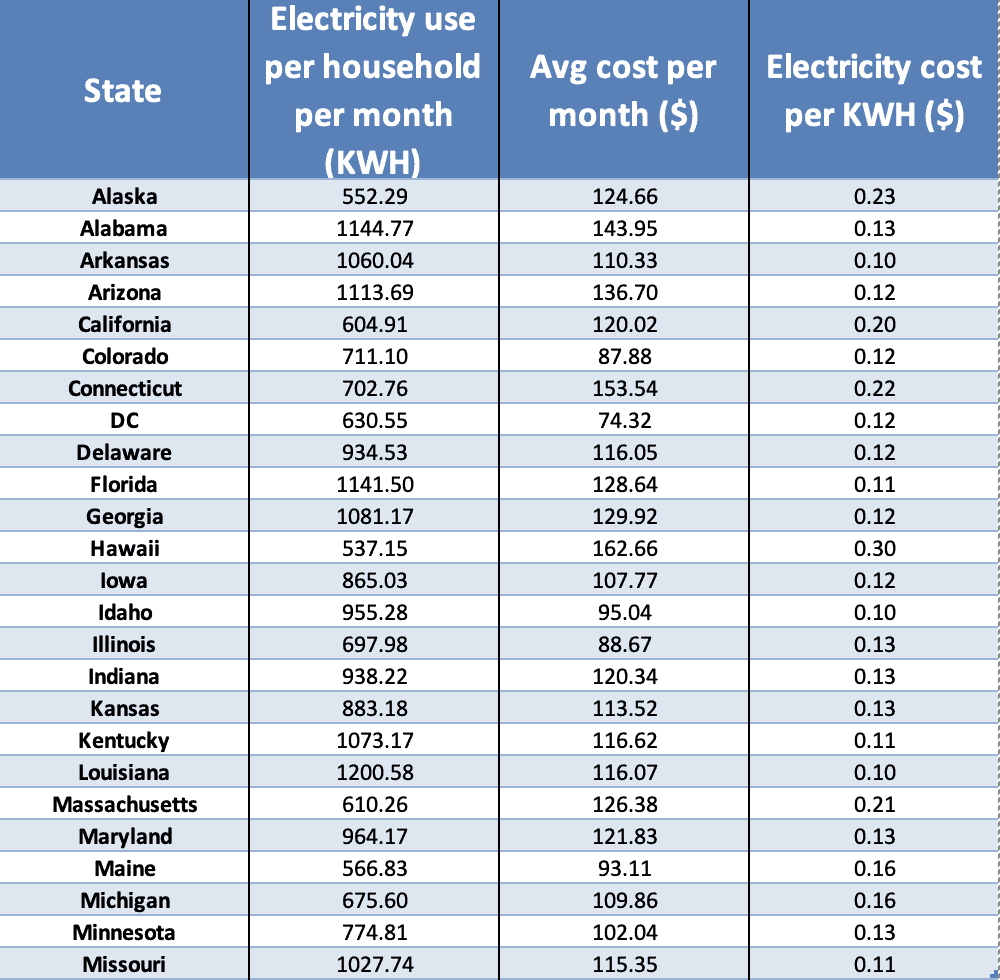
What exactly influences your home's average consumption? Well, it's a mix of ingredients! Factors like your home's size, the number of people living in it, your local climate (hello, air conditioning in summer and heating in winter!), and the age and type of your appliances all play a significant role. For instance, an older fridge might be a real energy hog compared to a brand-new, energy-efficient model. Did you know that a typical household in the US might hover around 800-900 kilowatt-hours (kWh) per month? This number can swing wildly though! Your lifestyle habits, like how often you do laundry or if you leave lights on in empty rooms, are also huge contributors. Don't forget the sneaky "phantom load" or vampire drain – that power many electronics consume even when turned off but still plugged in!
Must Read
Ready to get started? It's easier than you think! First, grab your latest electricity bill – it's your initial clue. Most bills show your monthly kWh usage, giving you a baseline. Next, do a quick "energy walk-through" of your home. Are there incandescent bulbs still lurking about? Replace them with energy-efficient LEDs. Get into the habit of unplugging chargers and devices when not in use. Consider adjusting your thermostat a few degrees in summer and winter; even small changes can make a big difference. For a deeper dive, you can often borrow an energy meter (sometimes called a Kill A Watt device) from your local library to measure the consumption of individual appliances. Simple steps, but they add up!
Understanding your average household electricity consumption isn't about deprivation; it's about empowerment. It gives you control over your spending, reduces your environmental footprint, and can even become a fun, ongoing project for the whole family. You’ll gain a new appreciation for the energy that powers your life and discover how simple changes can lead to big rewards. So, go ahead, embrace the journey of understanding your home's energy heartbeat!