
Average Cost To Install Electric Water Heater
Let's talk electric water heaters! Specifically, how much installing one sets you back.
It's a topic that can make any homeowner's palms sweat. Because, honestly, who actually budgets for a new water heater?
The Great Water Heater Mystery: A Cost Breakdown
So, what's the damage? Well, it's not a simple answer, I'm afraid. Imagine asking how much a car costs without specifying the make or model.
Must Read
The final bill depends on a whole bunch of stuff. Think of it as a recipe – lots of ingredients add up to the final dish, ahem, bill.
The Heater Itself: The Main Ingredient
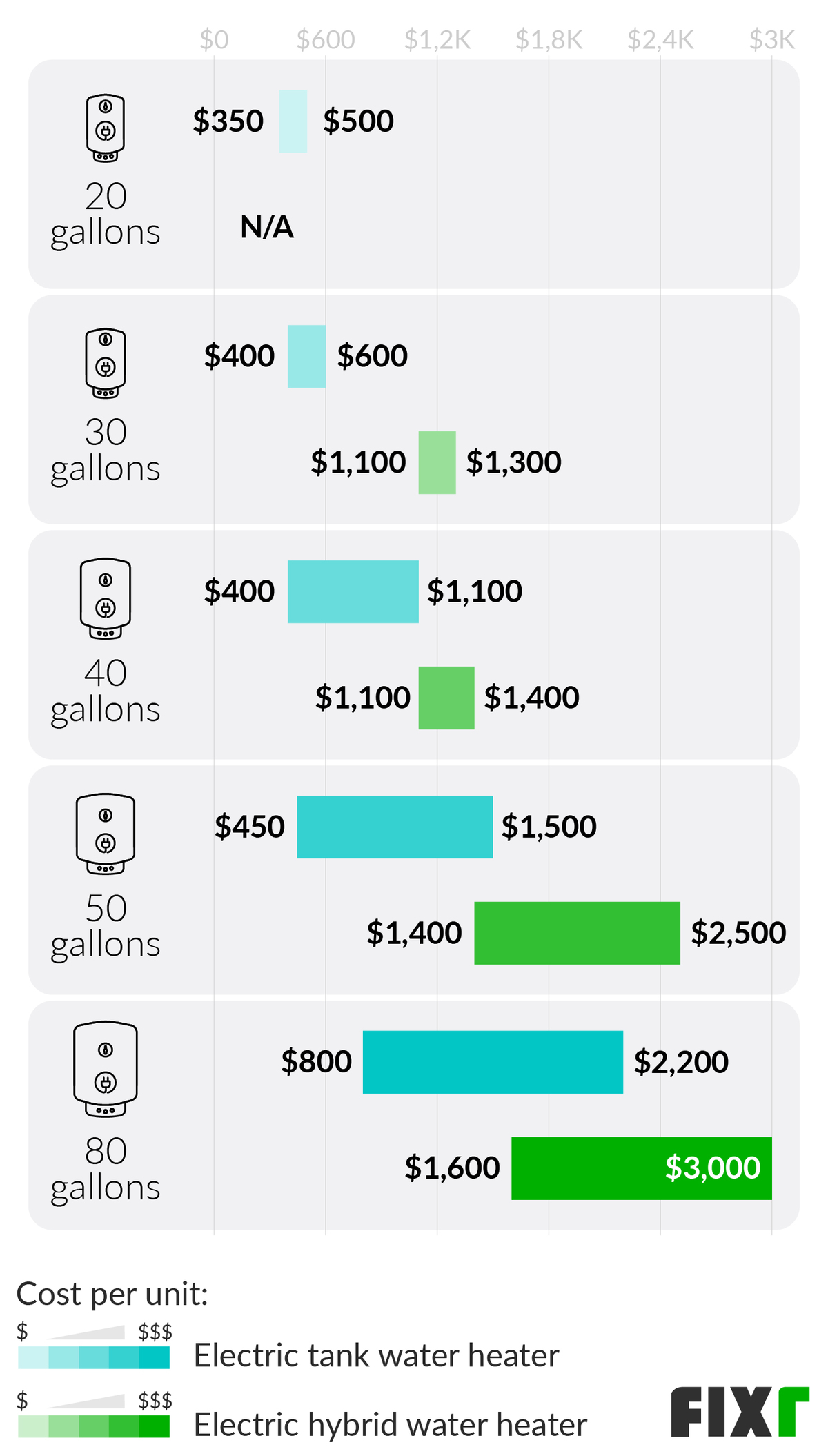
First, there's the water heater itself. Prices range depending on the size and brand.
A basic 40-gallon electric tank might cost a few hundred bucks. Fancy, energy-efficient models? Brace yourself – you're looking at potentially double that.
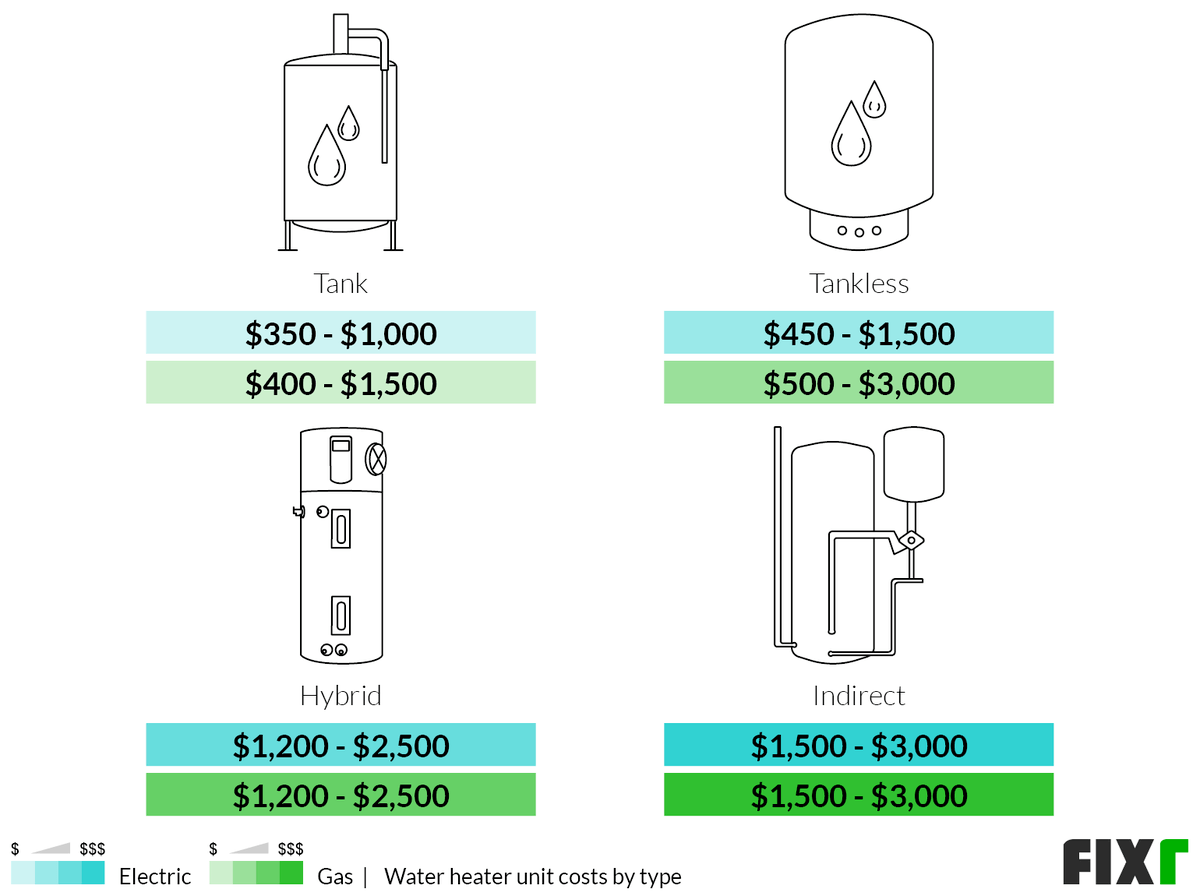
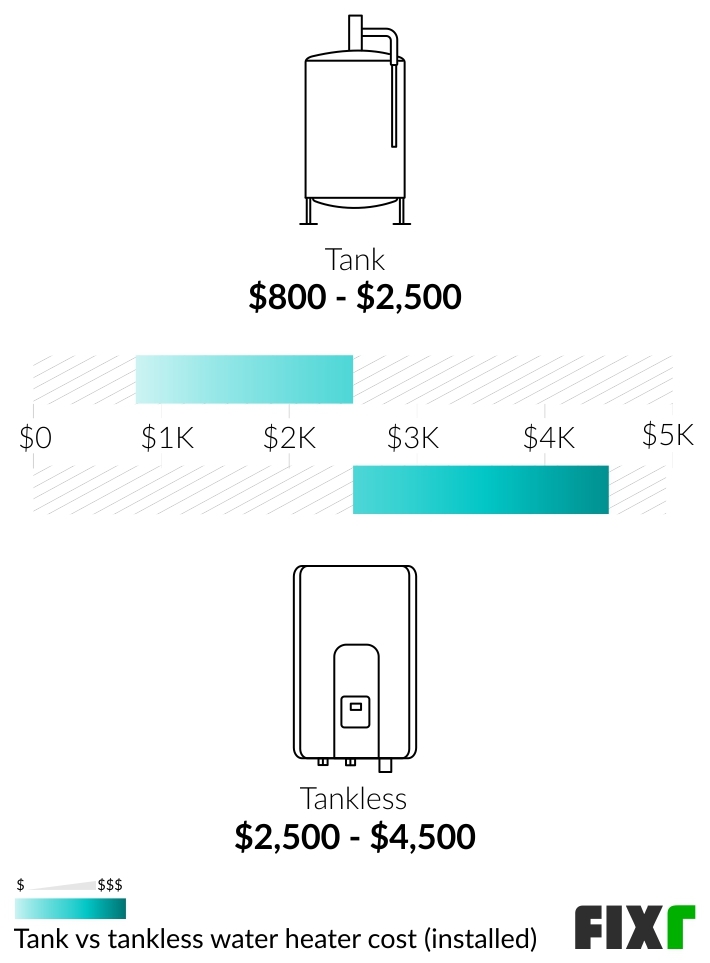
Don't forget about tankless water heaters. These are the sleek, modern option, but they are significantly more expensive upfront.
Labor Costs: The Handyman's Cut
Next, and this is a big one, comes labor. Unless you're a plumbing whiz (and if you are, why are you reading this?), you'll need a professional.
Plumbers aren’t cheap. Their rates vary by location and experience. Prepare for a few hours of work to install your new heater, maybe even a full day.
The complexity of the job also matters. Simply swapping out an old tank for a new one is cheaper than completely relocating the plumbing.
Permits and Fees: The Government's Share
Surprise! Some areas require permits for water heater installation. It's all about safety and codes, naturally.

These permits add to the total cost. They vary widely depending on your city or county.
Think of it as a small tax for the privilege of having hot showers. We love hot showers, right?
Hidden Costs: The Unexpected Guests
Now for the sneaky stuff: hidden costs. These are the things you don't see coming.
Maybe your old pipes need replacing. Perhaps the electrical wiring needs an upgrade to handle the new heater.
These unexpected expenses can add a significant chunk to the final bill. Always have a contingency fund!
The "Average" Cost: A Moving Target
So, the million-dollar question: what's the average cost? This is where things get murky.
You'll see numbers thrown around online – $800, $1200, even $1500 or more. But these are just averages.
Your actual cost could be significantly higher or lower. It all depends on the factors we've discussed.
To me, an average is like saying the "average" person has 2.5 children. Who actually has half a child?! It's just a number!
My Unpopular Opinion: It's All Too Expensive!
Okay, here's my unpopular opinion. No matter what the "average" is, installing an electric water heater is too darn expensive!
It’s a necessary expense, sure. But that doesn’t mean I have to like it. I mean, paying for hot water is great, but paying to get hot water flowing...ugh.
It feels like you're throwing money into a giant metal cylinder filled with water. And then paying even more for someone to hook it up.
I understand the plumbers and electricians need to get paid, and they deserve it for their work. But still! The sticker shock is real.
Let's be honest. Most of us don't think about water heaters until they die spectacularly. Usually at the worst possible time.
Then we're scrambling to find a replacement, often pressured to make a quick decision. Goodbye, budget!
Tips for Minimizing the Damage
Alright, enough complaining. Let's talk about how to save some money (because who doesn't love saving money?).
First, get multiple quotes from different plumbers. Don't just go with the first one you find. Compare prices and services.
Second, consider a smaller tank if you don't need a huge amount of hot water. A smaller tank usually means lower upfront cost and operating cost.
Third, ask about energy-efficient models. They may cost more initially, but they can save you money on your electricity bill in the long run.
Fourth, maintain your existing water heater. Regular maintenance can extend its lifespan and prevent costly repairs. Flush it annually to remove sediment.
Lastly, consider a home warranty. Some warranties cover water heater replacement. But read the fine print carefully!
DIY? Think Twice!
You might be tempted to DIY the installation. "How hard can it be?" you might ask yourself.
Unless you're a skilled plumber, I strongly advise against it. Water and electricity are a dangerous combination.
Incorrect installation can lead to leaks, electrical shocks, or even explosions. Not worth the risk!

Plus, improper installation can void your warranty. So, you'll be out of pocket if anything goes wrong.
Sometimes, trying to save money ends up costing you more in the long run. Know your limits!
The Bottom Line: Be Prepared and Negotiate
So, what's the final takeaway? Installing an electric water heater is an expensive endeavor.
But with careful planning and a little negotiation, you can minimize the financial impact.
Do your research, get quotes, and don't be afraid to haggle. Remember, everything is negotiable!
And above all, try to keep a sense of humor. Because dealing with home repairs can be stressful. Laughter is the best medicine.
Now, if you'll excuse me, I'm going to go check on my water heater. Just in case.
And probably add "new water heater fund" to my budget. Sigh.