
Average Cost To Charge An Ev

Hey there, electric car curious! So, you're eyeing an EV, huh? Or maybe you've already got one humming quietly in your driveway, and you're just wondering, "What's this magic electric juice actually costing me?" Well, pull up a comfy chair, because we're about to demystify the age-old question that plagues every potential EV owner: How much does it really cost to fill 'er up? (Or, you know, plug 'er in.)
Spoiler alert: it's not a single, neat little number. Sorry to burst your bubble right off the bat! But don't fret, it's actually way more flexible and often a lot cheaper than you might think. Think of it like buying groceries – sometimes you hit the fancy organic store, sometimes it's the discount aisle. Charging your EV has similar vibes, just with less kale involved.
Charging at Home: Your Wallet's Best Friend
Let's kick things off with the big one: charging at home. This is where most EV owners do the bulk of their juice-ups, and for good reason – it’s usually the cheapest. Imagine plugging in your car overnight, like you do your phone, and waking up to a "full tank." Pure bliss!
Must Read
The cost here is pretty straightforward: it depends on your electricity rate and your car's battery size.
In the US, the average residential electricity rate hovers around 15-20 cents per kilowatt-hour (kWh). (A kWh is basically the unit of energy your car sips.)
Now, let's talk batteries. A common EV, say one with a 60 kWh battery (which might get you around 200-250 miles of range), would cost you roughly:
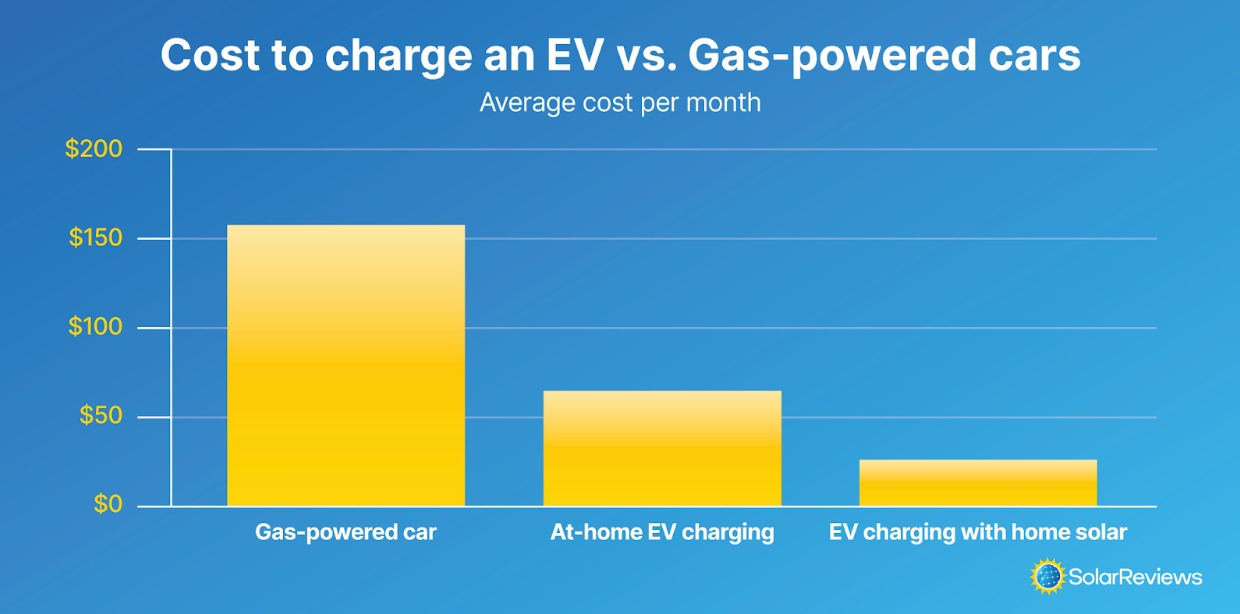
- 60 kWh * $0.15/kWh = $9.00 for a full charge.
- 60 kWh * $0.20/kWh = $12.00 for a full charge.
Yep, that's right. For what often amounts to a fancy coffee or a couple of sodas, you can drive hundreds of miles. Mind-blown yet?
Pro tip: Many utility companies offer "time-of-use" rates, meaning electricity is cheaper during off-peak hours (like overnight). Charging then can slash your costs even further. It’s like a secret discount code for your car!
Public Level 2 Chargers: The Convenient Pit Stop
Sometimes you’re out and about, and your EV needs a little top-up. That's where public Level 2 chargers come in. These are often found at workplaces, shopping centers, hotels, and sometimes even your local library. They're faster than a regular wall outlet but slower than a fast charger.
These chargers are typically priced in a few ways:
- Per kilowatt-hour (kWh): Similar to home, but usually a bit pricier – maybe $0.25 - $0.40 per kWh.
- Per hour: If you're parking for a while, you might pay $1.50 - $3.00 per hour.
- Flat session fee: Sometimes it's just a set fee, say $5.00 - $10.00 for a few hours.
While a bit more than home charging, it's still often significantly cheaper per mile than pumping gas. Plus, you get to charge while you shop, work, or grab a bite. Multi-tasking queen/king, much?
DC Fast Charging: The Road Trip MVP
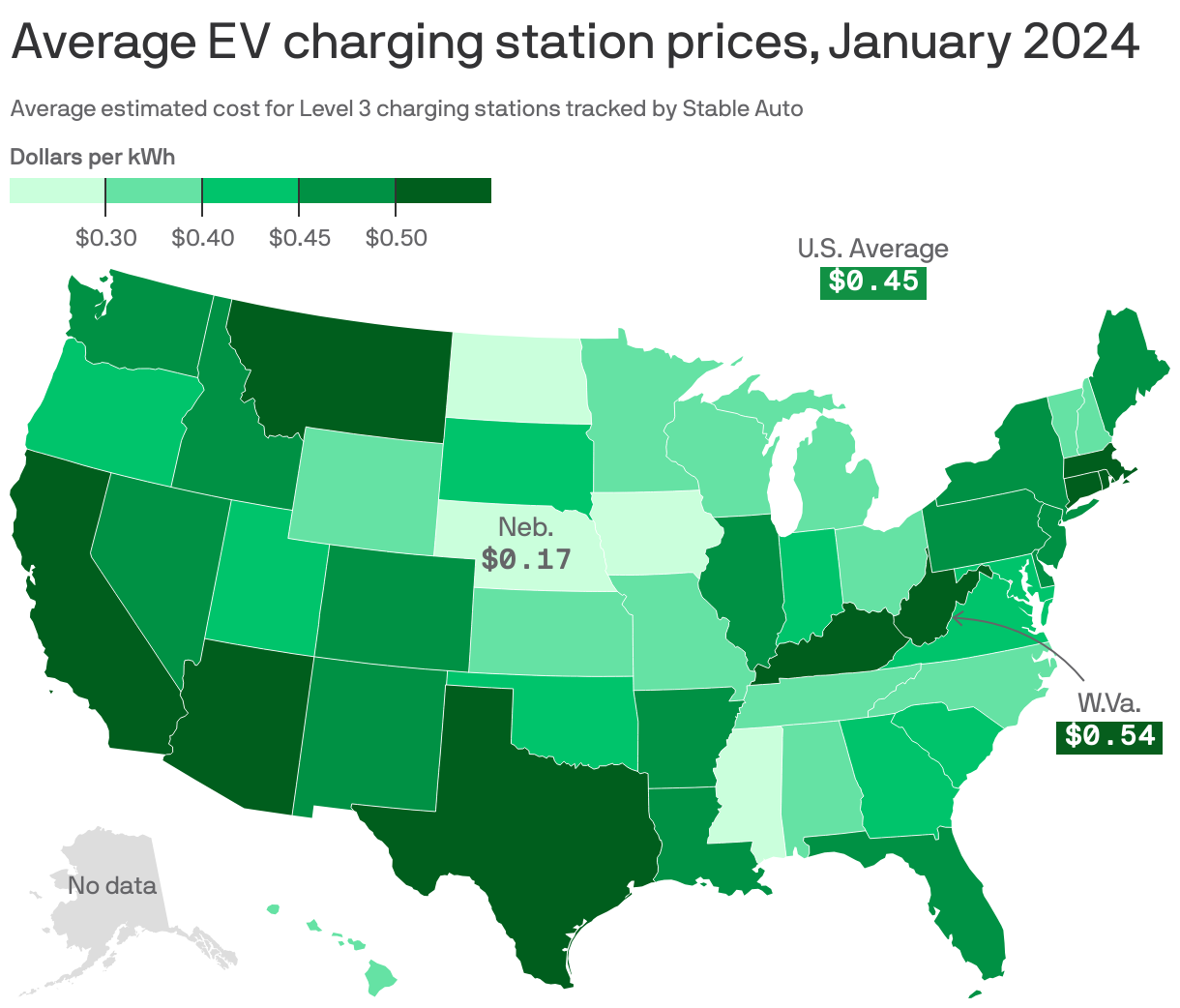
Alright, let’s talk about the big guns: DC Fast Chargers (also known as Level 3 chargers or Superchargers for Tesla folks). These are your EV's equivalent of a gas station pit stop. They can get your battery from 10% to 80% in 20-40 minutes, depending on the car and charger.
Naturally, speed comes at a price. Fast charging is the most expensive way to charge your EV, but it's essential for road trips or when you're in a hurry. You'll typically see rates ranging from $0.40 to $0.60 per kWh, or sometimes per minute (which can vary depending on your car's charging speed).

So, a 60 kWh battery fill-up on a fast charger (let's say 80% charge, or 48 kWh) could be:
- 48 kWh * $0.50/kWh = $24.00
Still a pretty good deal for hundreds of miles, especially when you compare it to a full tank of premium gas! Think of it as paying a premium for convenience. Just enough time to grab a coffee, stretch your legs, and maybe contemplate the meaning of life, before you're back on the road. Zen charging, anyone?
Factors Affecting Your Electric Bill (for your car, anyway)
As we mentioned, it's not a one-size-fits-all world. Here are a few things that can swing your charging costs:
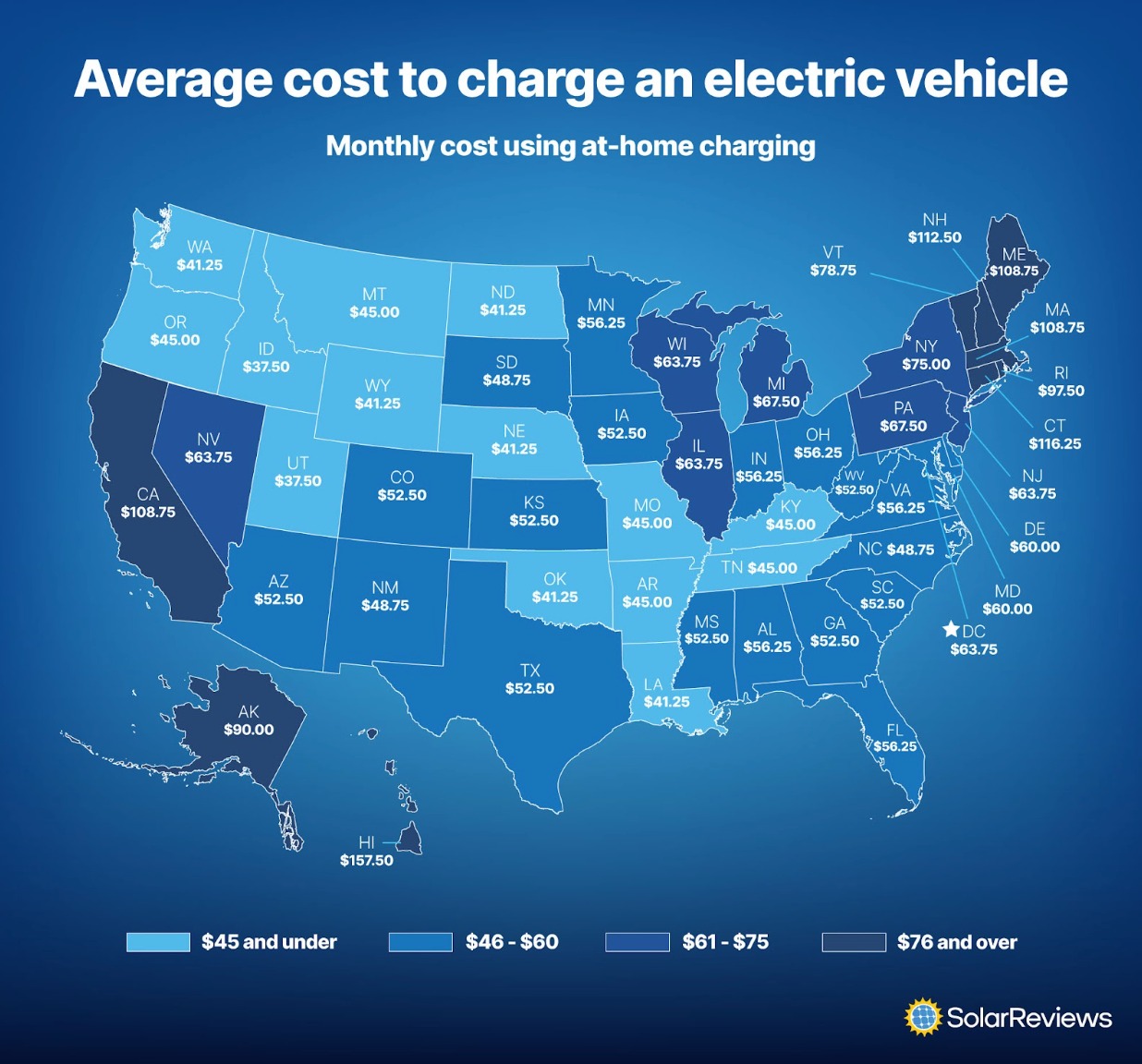
- Location, Location, Location: Electricity rates vary wildly by state, city, and even neighborhood. Do a quick search for your local utility's rates!
- Time of Day: We talked about off-peak home charging, but some public chargers also offer cheaper rates during certain hours.
- EV Efficiency: Just like gas cars, some EVs are more efficient than others. A super-efficient model will simply need less juice to go the same distance.
- Charging Network Memberships: Many public charging networks (like Electrify America or ChargePoint) offer subscription plans that can reduce your per-kWh cost. It's like a Costco membership for your car!
- Freebies: Keep an eye out for free public chargers! Some workplaces, dealerships, or even city centers offer complimentary charging as a perk. Who doesn't love free stuff?
The Bottom Line: More Smiles Per Mile!
So, what's the grand takeaway? Charging an EV isn't a single, fixed cost. It's a delightful blend of home convenience, public top-ups, and speedy road-trip boosts.
But here's the kicker: for most people, charging an EV is significantly cheaper than fueling a comparable gasoline car. You get more miles for your money, often while enjoying the comfort of your own home or running errands.
It’s all about flexibility, choice, and finding what works best for your driving habits. Whether you're a home-charging champion or a public-charger pro, you're embracing a future that's cleaner, quieter, and generally kinder to your wallet.
So go on, embrace the electric revolution! Enjoy those smooth, silent drives, and smile knowing you’re saving some pennies (and the planet!) along the way. Your future self (and your bank account) will thank you. Happy driving, you magnificent electric pioneer!