
Average Cost Of A Water Heater

Picture this: It's 6 AM on a chilly Tuesday morning. You’re groggily stumbling into the shower, perhaps dreaming of that first sip of coffee, when you turn the knob. A glorious burst of warmth... for about five seconds. Then, without warning, it transitions into what can only be described as a polar bear’s private swimming pool. You know the drill, right? That sudden, soul-crushing burst of Arctic water that makes you question all your life choices and possibly the existence of a benevolent universe.
Yeah, that was me last month. My old water heater, bless its rusty heart, finally gave up the ghost with all the dramatic flair of a Shakespearean tragedy. And that’s when the panic sets in: My water heater! Immediately followed by the even more terrifying thought: How much is this going to set me back?!
Suddenly, "average cost of a water heater" becomes the most pressing search query of your life, right after "can I still feel my toes?" So, after a deep dive (pun absolutely intended) into the murky waters of water heater expenses, I figured I'd share the intel. Because misery loves company, and also, information is power when you’re facing down a potential plumbing emergency. Let's break it down, shall we?
Must Read
So, What's the Damage? (The Short Answer)
Alright, let's get right to the wallet-clutching part. If you're looking for a quick, ballpark figure, a new water heater – including the unit itself and professional installation – typically ranges anywhere from $800 to $2,500 for a conventional tank model. Tankless options? Oh, those can climb higher, often sitting between $3,000 and $5,000+. See? Not just one number, because of course it's never simple.
But that's just the average, my friend. Like trying to guess the average cost of a car without knowing if you're looking at a used sedan or a brand-new SUV, there are a ton of factors at play. Let’s unravel the mystery a bit.

The Great Water Heater Divide: Tank vs. Tankless (and the Others!)
This is probably the biggest cost driver, so pay attention, hot water seeker!
1. Conventional Tank Water Heaters
These are the workhorses most of us grew up with. They store and heat a large volume of water. The cost of the unit itself usually falls between $400 and $1,600, depending on size (40-gallon, 50-gallon, etc.), fuel type (electric vs. gas), and brand. Electric models are often cheaper upfront than gas ones, but gas might save you more on energy bills over time. Decisions, decisions!
2. Tankless Water Heaters (On-Demand)
Ah, the fancy, space-saving, endless-hot-water option. Tankless units heat water only when you need it. The units themselves typically cost more, ranging from $1,000 to $3,000. They're energy efficient, but that upfront cost is a bit of a gulp. Installation for these can also be more complex and thus more expensive, especially if you're upgrading from a tank model.

3. Heat Pump (Hybrid) Water Heaters
These are the eco-conscious cousins, using ambient air to heat water. They’re super energy-efficient, which is great for your utility bills. The units themselves can be quite pricey, often between $1,800 and $3,500. But hey, rebates might be available in your area, so always check!
4. Solar Water Heaters
If you live somewhere sunny and want to go full green, these use the sun’s energy. They're the priciest upfront, often $4,000 to $8,000+ for the system, but the long-term energy savings are massive, and often, there are significant tax credits.

Beyond the Box: Installation Shenanigans
The cost of the unit is only half the story, my friend. Installation can sometimes rival the unit's price! A professional installation can range from $400 to $1,500, again, depending on several factors:
- Location, Location, Location: Is it easy to access? Or does the plumber need to perform acrobatics in your cramped basement?
- Fuel Type Conversion: Switching from electric to gas, or vice-versa, can be a major undertaking, requiring new gas lines or electrical circuits. Cha-ching!
- Tankless Upgrades: If you're going tankless, you might need bigger gas lines, new venting, or an electrical panel upgrade. This is where those higher installation costs really kick in.
- Permits: Don't forget these! Many municipalities require permits for water heater installation to ensure everything is up to code. This can add another $50 to $200. It's not optional if you want to avoid future headaches.
- Old Tank Removal: Most installers will haul away your old, leaky friend for a small fee, typically around $50-$150.
"DIY or Hire a Pro?" (The Answer is Usually "Pro")
Look, I'm all for saving a buck, but this is one area where I'd strongly advise against DIY unless you're a certified plumber. Seriously. Dealing with water, gas, and electricity simultaneously is a recipe for disaster if you don't know exactly what you're doing. Not only could you flood your house or cause a gas leak (yikes!), but improper installation can also void your warranty or fail inspection.
So, while the installation cost might sting a bit, think of it as an investment in your home's safety and your peace of mind. Plus, a reputable installer will ensure it's done right and often guarantees their work.
The Bottom Line (Sort Of)
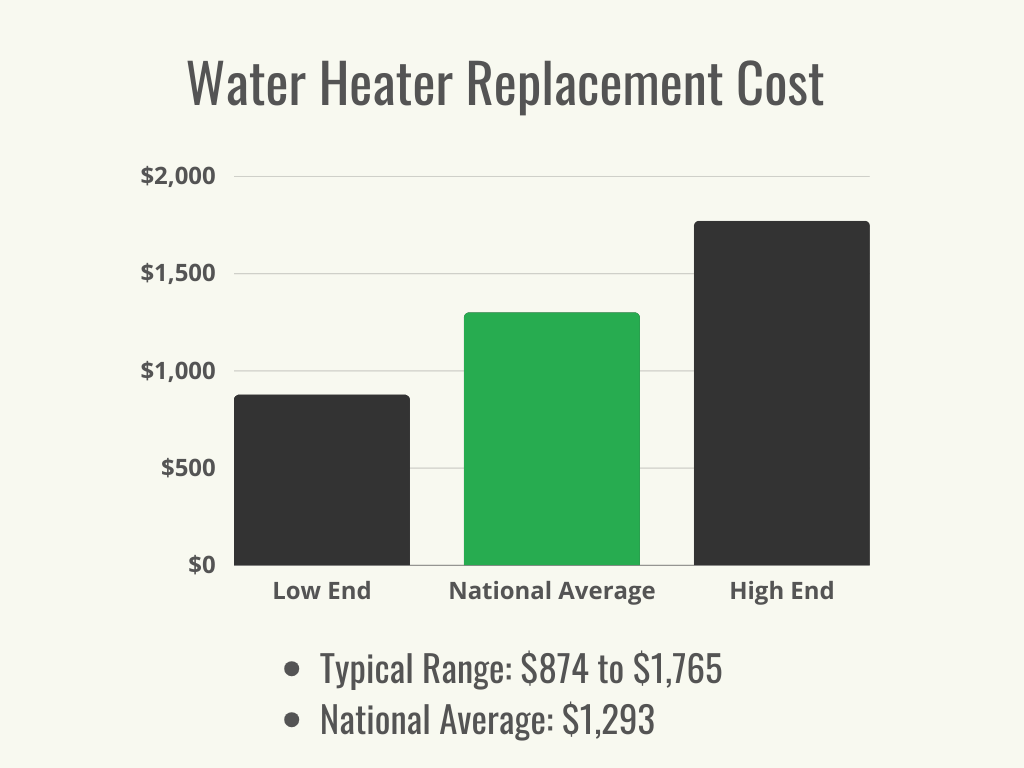
So, there you have it. The average cost of a water heater isn't a single, neat number. It's a spectrum, influenced by the type of unit, its capacity, the fuel source, and the complexity of the installation. For most folks replacing a standard tank heater with another standard tank heater, budgeting somewhere between $1,200 and $2,000 is a pretty safe bet.
If you're eyeing a tankless or a heat pump model, prepare for a higher initial investment, likely in the $3,000 to $5,000+ range, but remember those potential long-term energy savings. Always get at least three quotes from licensed and insured plumbers. Ask about everything: unit cost, labor, removal of the old unit, and permits.
It's never fun shelling out cash for something as un-sexy as a water heater, but trust me, that first glorious, uninterrupted hot shower after it's installed? Priceless.