
Average Cost Of A Kwh In The Us
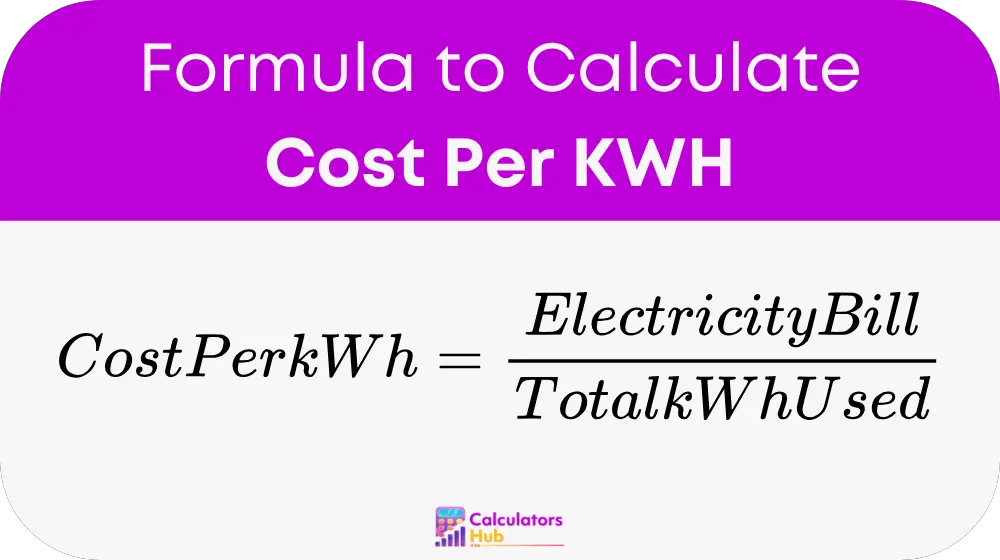
Hey there! Ever found yourself staring at your electricity bill, maybe a little bewildered, and wondering, "What even is a kilowatt-hour, and how much am I actually paying for it?" You're not alone! It’s one of those things we use constantly, but its cost often feels like a bit of a mystery. So, let's pull back the curtain and chat about the average cost of a kWh in the US, in a totally chill, no-sweat kind of way.
Imagine your daily life powered by invisible electrons. From chilling your snacks in the fridge to lighting up your late-night reading, electricity is just... there. But what's the actual price tag on that seamless convenience? Let’s dive in and unravel this everyday enigma.
First off, What's a Kilowatt-Hour (kWh) Anyway?
Before we talk dollars and cents, let's get cozy with our star player: the kilowatt-hour. Sounds super technical, right? Don't sweat it. Think of it like this: a watt is a unit of power, like the strength of your favorite light bulb. A kilowatt is 1,000 watts. Now, add "hour" to it, and you've got a measure of how much energy you use over time.
Must Read
So, if you leave a 100-watt light bulb on for 10 hours, you've used 1,000 watt-hours, or 1 kWh. Pretty simple when you break it down, right? It’s the standard unit your utility company uses to measure your juice consumption. It’s kinda like buying gas by the gallon, but for electricity!
The "Average" Isn't So Average: A Peek at US Prices
Okay, so now that we know what a kWh is, what's the typical cost? As of recent data, the average cost of electricity for residential customers across the entire United States hovers somewhere around 16 to 17 cents per kWh. But here's the kicker: that word "average" is doing a lot of heavy lifting there!
Because, honestly, it’s not a fixed price. Think of it like the price of a gallon of milk. It’s different depending on where you are, right? Same goes for electricity. That national average is just a friendly starting point for our curiosity journey.
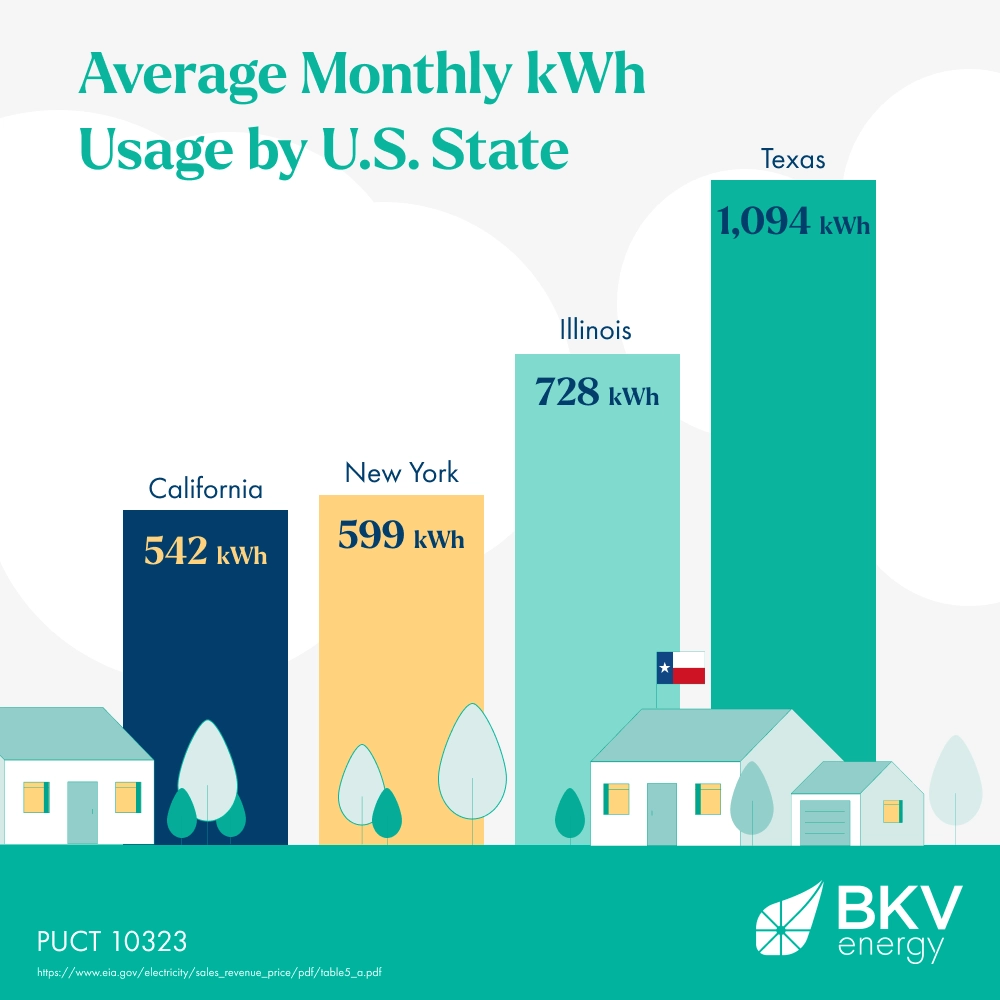
So, What Makes the Price Tag Change So Much?
This is where it gets really interesting! There are a bunch of factors that play a role in how much you actually pay for each kWh. It's like a secret recipe with many ingredients:
1. Location, Location, Location!
This is probably the biggest one. Electricity prices vary wildly from state to state, and even within different regions of the same state. Why? Well, states like Hawaii and parts of New England often have some of the highest rates, while states in the Pacific Northwest or those with abundant natural gas or coal might enjoy lower prices. It’s all about local supply, demand, and infrastructure.
2. Where Does Your Power Come From?
The source of your electricity matters a lot. Is your state powered mostly by cheaper natural gas, hydropower (like dams!), wind farms, solar panels, or more expensive fuel oil? The mix of energy sources your local utility company uses can significantly impact the final price. Green energy is awesome, but the initial investment can sometimes factor into rates, although often it leads to long-term stability.
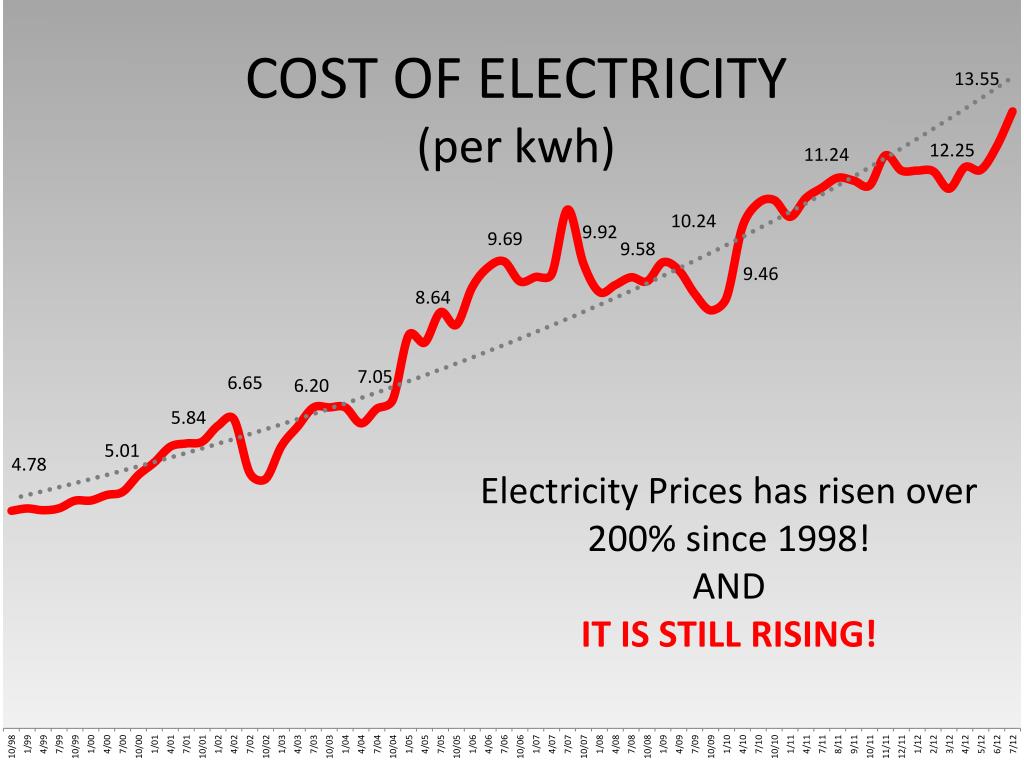
3. Time of Day and Year (Peak vs. Off-Peak)
Ever heard of "peak hours"? Some utility companies charge more during times when everyone is using a lot of electricity – think hot summer afternoons when ACs are blasting, or chilly winter evenings when heaters are cranked up. If you can shift some of your energy use to "off-peak" hours (like doing laundry late at night), you might save a few pennies per kWh. Pretty clever, right?
4. Your Utility Company
Sometimes, it simply comes down to who’s providing the service. Different utility companies have different operational costs, different rate structures, and varying regulations that impact what they charge you per kWh. In some areas, you might even have a choice of providers, which can introduce a bit of healthy competition!
5. How Much You Actually Use
Yep, sometimes the more you use, the more you pay per kWh in tiered pricing systems. Or, conversely, some fixed charges might make your effective rate higher if you use very little. It's designed to encourage efficiency, which is pretty cool if you think about it.

Why Should We Even Care? It’s Kinda Empowering!
Okay, so this isn't just a bunch of numbers. Understanding the cost of a kWh is actually pretty empowering! When you know the average, and you understand the factors that influence it, you can start to make smarter choices around your home.
Thinking about upgrading to LED light bulbs? Now you know roughly how much that old incandescent bulb is costing you per hour. Wondering if it’s worth unplugging chargers? Every little bit counts, especially when you multiply it by how many devices you have!
Let's do a quick, fun comparison. Imagine the average cost is around 16 cents per kWh. That means running a typical 60-watt light bulb for almost 17 hours costs you roughly a single kWh, or 16 cents. That’s less than the cost of a single gumball! On the flip side, running a powerful window AC unit for an hour might cost you anywhere from 10 to 50 cents, depending on its wattage and your local rate.
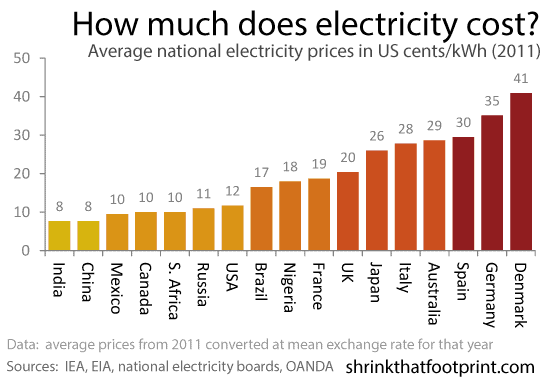
Putting it all into Perspective
Think about your phone charger. It might use a tiny fraction of a kWh. You could charge your smartphone for an entire year for just a few dollars in electricity costs. But your clothes dryer? That’s a kWh guzzler, potentially costing you a good chunk of change every time you run it. Suddenly, choosing to hang-dry clothes on a sunny day feels like a smart financial move, doesn't it?
The cost of a kWh isn't just some abstract number on your bill; it's the tiny, invisible price tag on every flick of a switch, every glowing screen, and every hum of an appliance in your home. By being just a little bit curious and understanding these underlying factors, you gain a bit more control over your budget and your impact on the world. Pretty neat, right?
So next time you see "kWh" on your bill, you can give it a little nod, knowing you’re now an insider to the fascinating world of electricity pricing. Go forth and be empowered!